On August 27, 2024, The Harvard Gazette had an article, “You want to be boss. You probably won’t good at it.” click here
Within it were some details regarding qualities that are part and parcel of what makes for a good boss, a good manager and so on. These are details for HR managers,, pundits of MBA programs, the erudite captains of industries, C-suites and so forth. In this day and age of online realities, there’s no shortage of career coaches, executive publications, employment placement services and psychologists focused on behaviors.
Experience, age, personality and examples of how difficult situations were effectively handled etc. Nothing unusual in checking on those aforementioned qualities, but the research paper commissioned by the National Bureau of Economic Research [NBER] states that the way most managers are selected is lacking, AKA ….“they [companies] may not be doing it right.”
Keep an open mind. It matters when traveling to any destination that piques your curiosity. Whether it’s a neighboring state/province or an altogether different country, it requires elasticity in learning, appreciating and understanding. An open mind can open doors. It means possessing a willingness to be out of your comfort zone. And as you stand in your discomfort, your perspective may need adjustment or refinement. This is where you take the initiative to help others see your perspective. Naturally this requires staying attentive for the different position[s] you may encounter. It’s fine to disagree without being disagreeable.
Remind yourself that having an open mind tames the myopia that limits one’s ability to think beyond your horizon of possibility.
Arc de Triomphe
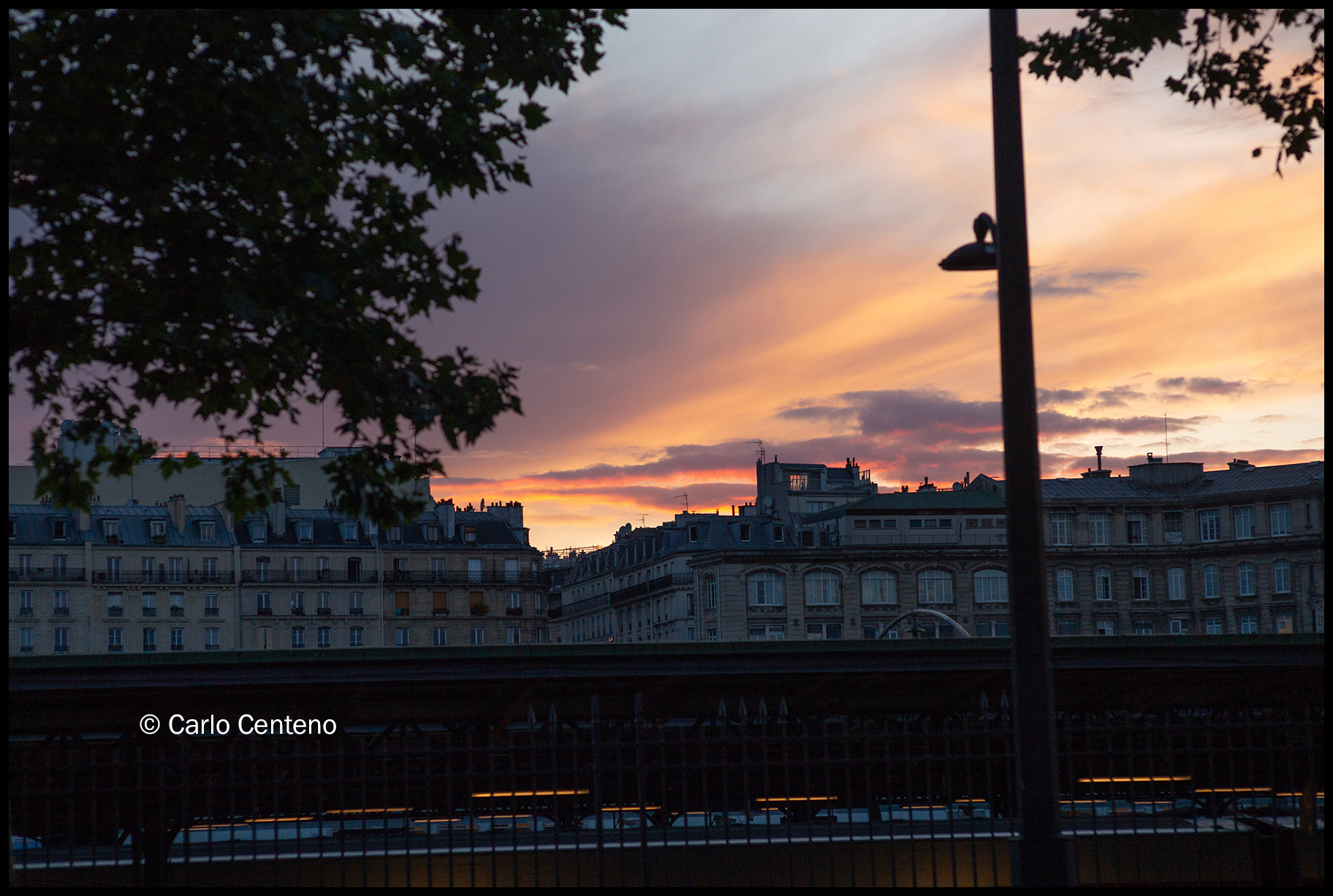
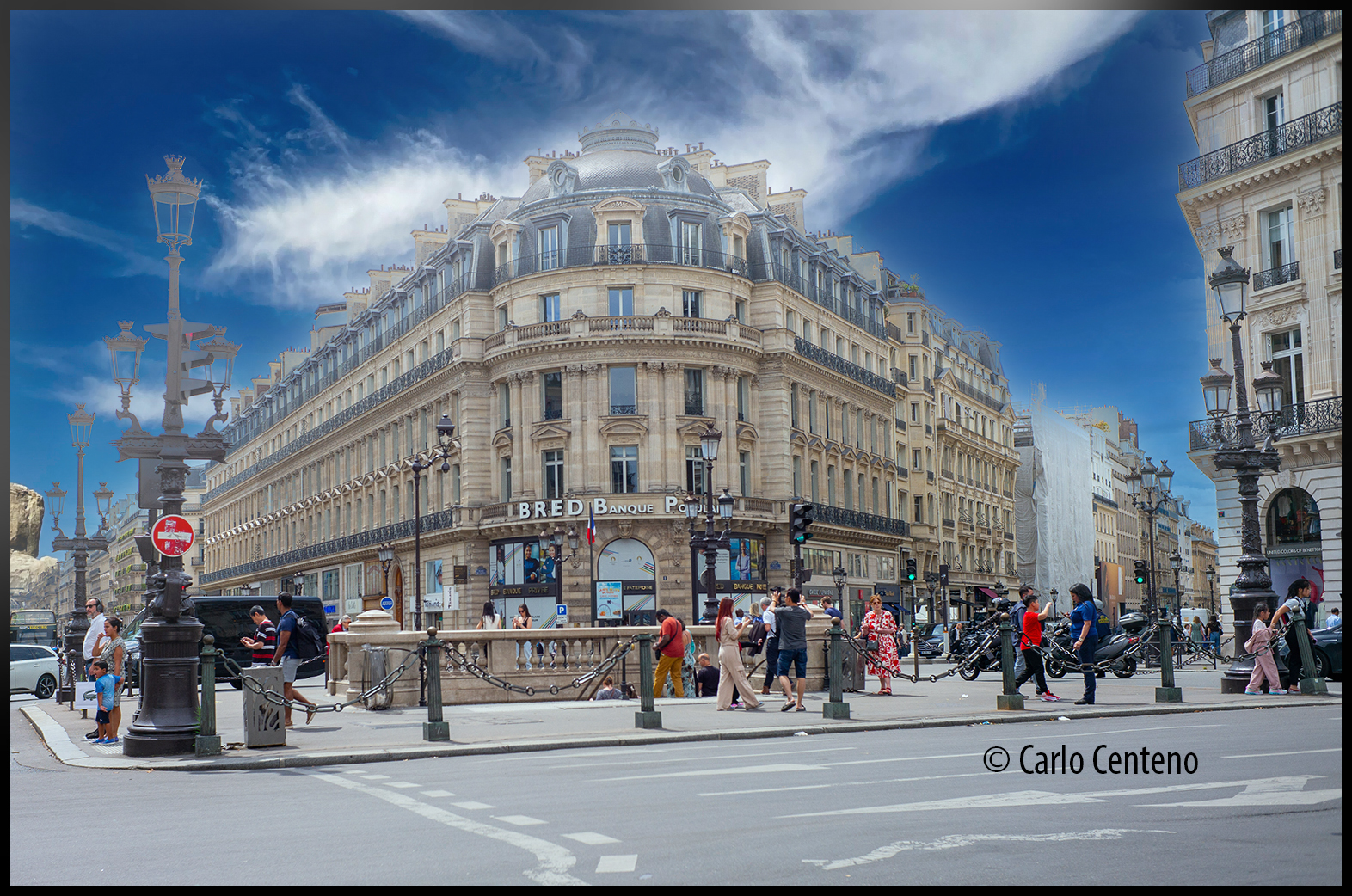
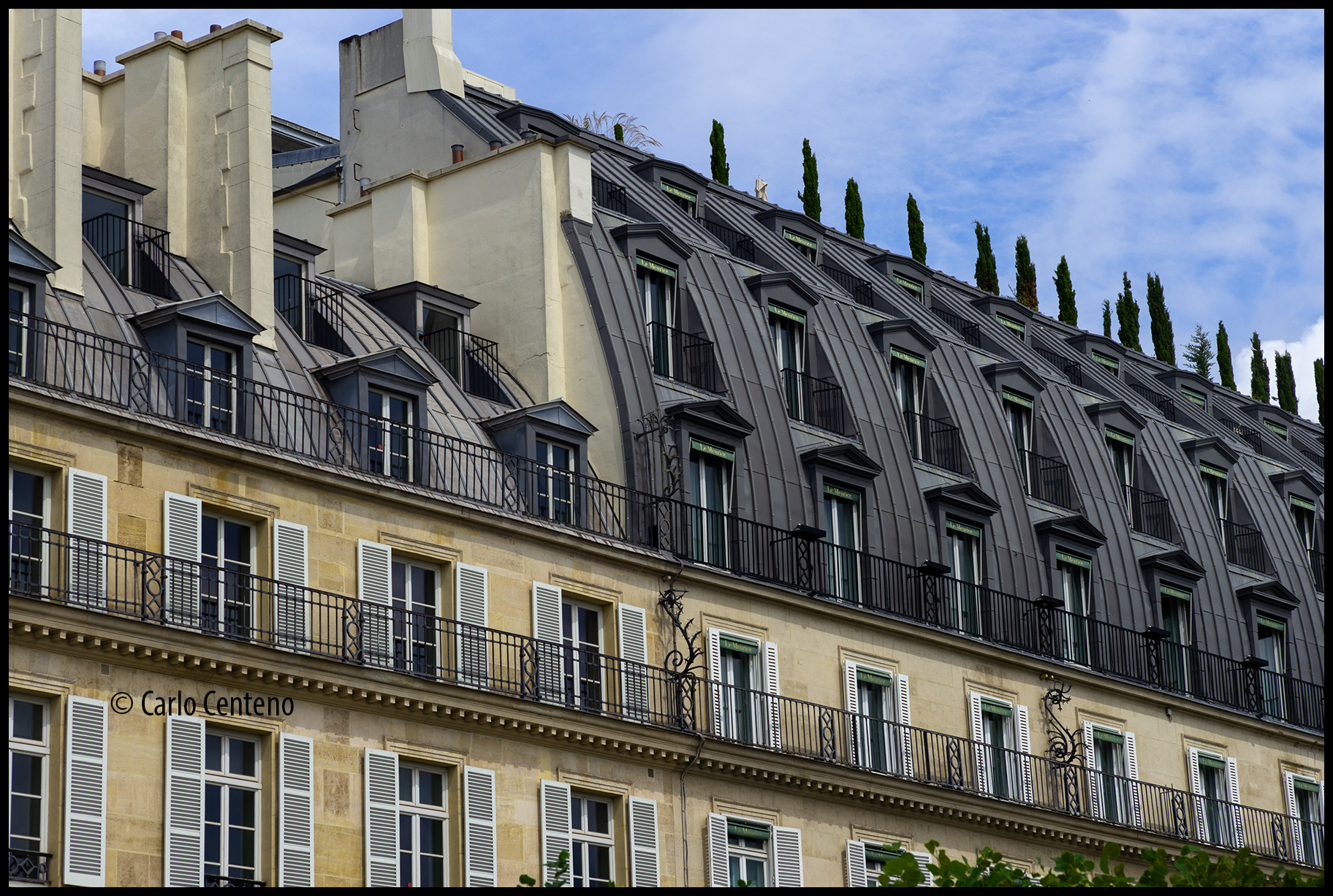
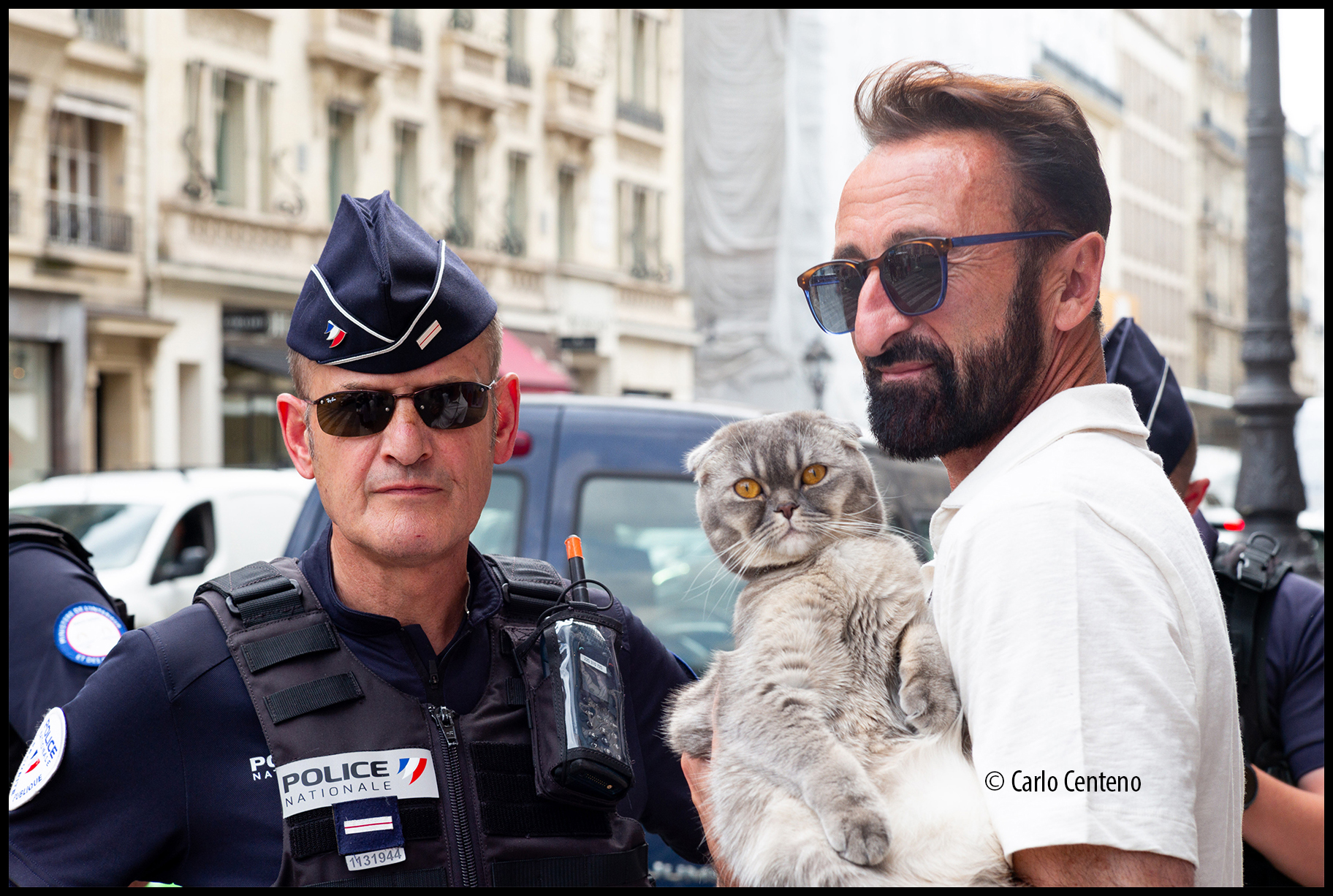
Eleven days in France this July made for quite a vacation. The coming of the summer Olympics turned Paris into a mixed bag of barricaded icons and walkways, detours and traffic. Our Parisian stay covered 3-days; not enough time to explore Paris, but 3 is better than none. A first visit to another city is as they say, an experience. Visually, aurally, olfactorily you cannot ignore the architecture, the gardens, the people, the language, the aroma of freshly baked croissants, baguettes and coffee and so on and so forth.
After Paris the next 8 days would be at Vignon-en-Quercy in southwest France. Fortunately, our flight back home was 7-days before the opening ceremonies, and we knew that more walkways and some open areas would be cordoned off. Predictably, logos and phrases proudly reminded of The Games coming to town. Still, nothing took away from our sense of discovery in this storied city.
We had thoughts of visiting the Louvre, Musee d’Orsay, among others, but the detours and limited access made it a physical and mental marathon. We were close to those museums and other points of interest as they say, but we unabashedly savored our quiet time in the Jardin des Tuileries, a garden between the Louvre and Place de Concorde. In a more relaxed pace, we enjoyed le Jardin and even took advantage of the cafes within the grounds. Seeing the Louvre from a different vantage point provided an unrushed appreciation for a 231 year old institution.
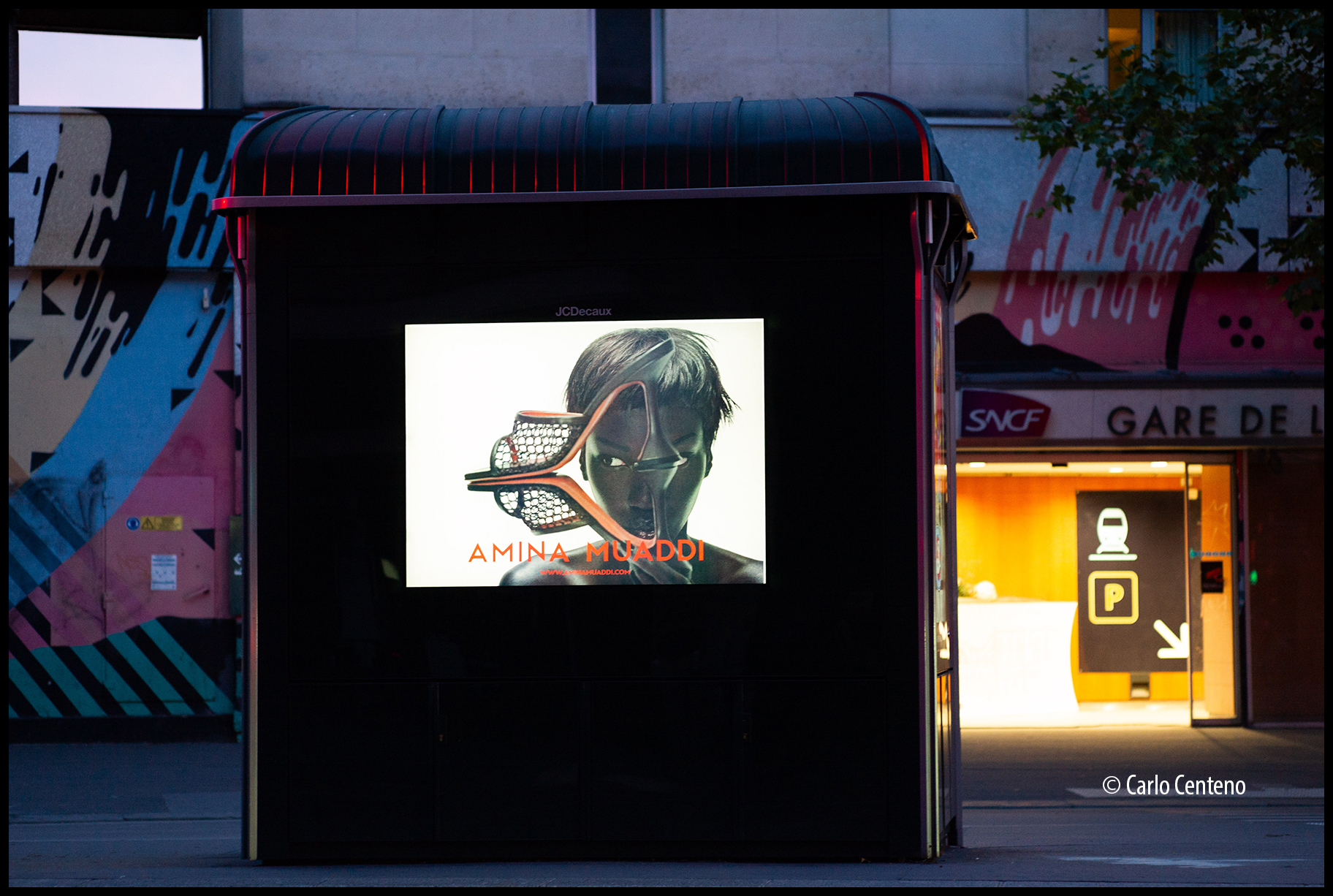
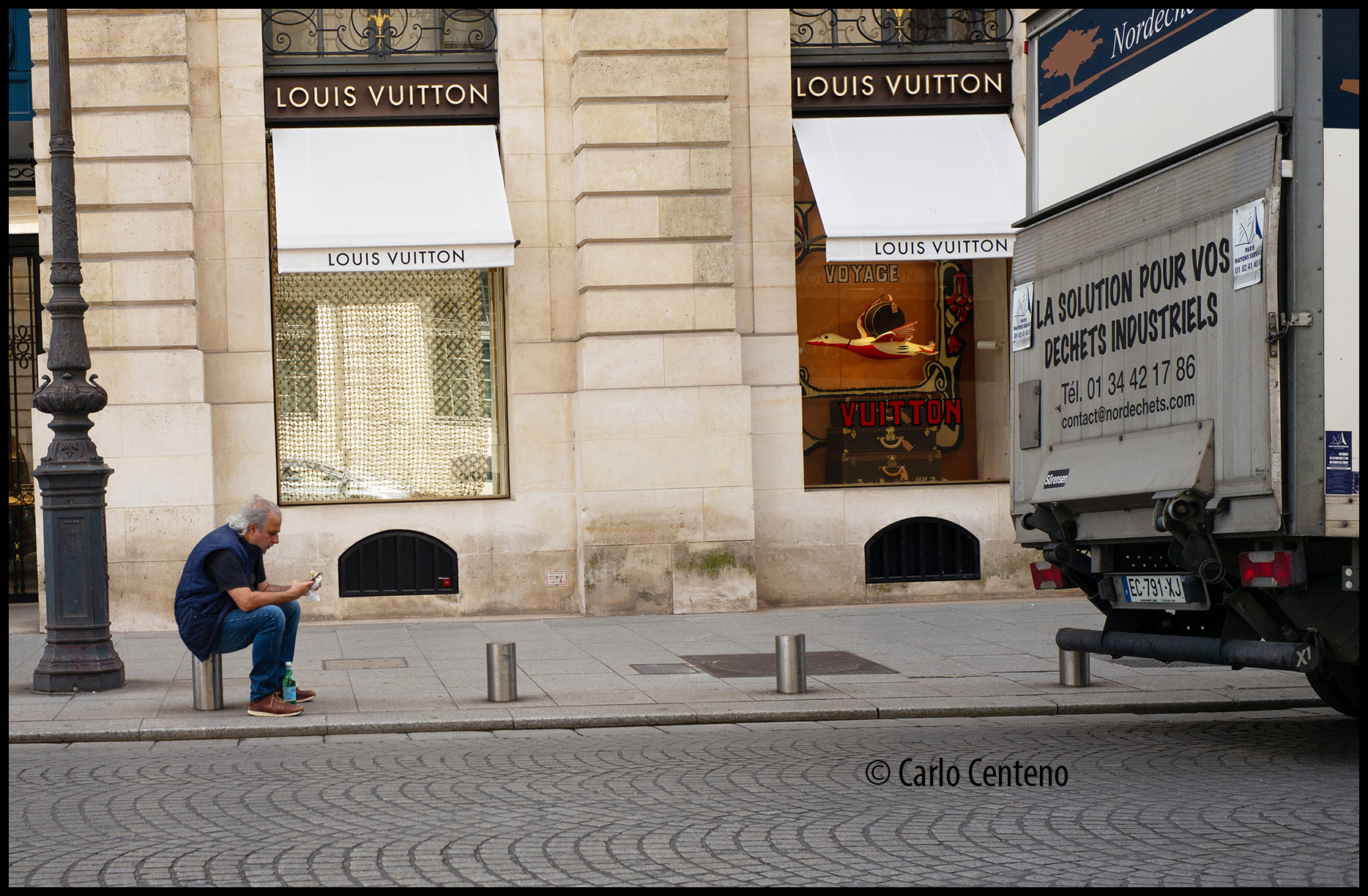
Le LouvreLa Place de Concorde/ courtesy Paris VisuelDetail de l’exteriur de Louis VittonPedestrians be Careful Cross in 2 steps
We thought of adding 2 more days in Paris. It would’ve certainly helped my french conversation, but other plans were already in place. Entering any business or eatery, saying bonjour is always helpful and polite. After the greeting, the most frequent words from my mouth were, Ou est…? or quelle direction est…? or pardonnez moi, sommes-nous pre du……? and of course, merci, bonne journee!
Our first morning, we walked to a bistro teeming with commuters and visitors. The menu on a sandwich board offered something we liked and I recognized: Petit déjeuner supreme ! Deux œufs [au choix] avec jamon et frommage, cafe, jus d’orange, baguette, croissant, confiture de fraises et salade. [Supreme breakfast! Two eggs any style with ham and cheese, coffee, orange juice, baguette, croissant, strawberry jam and salad].
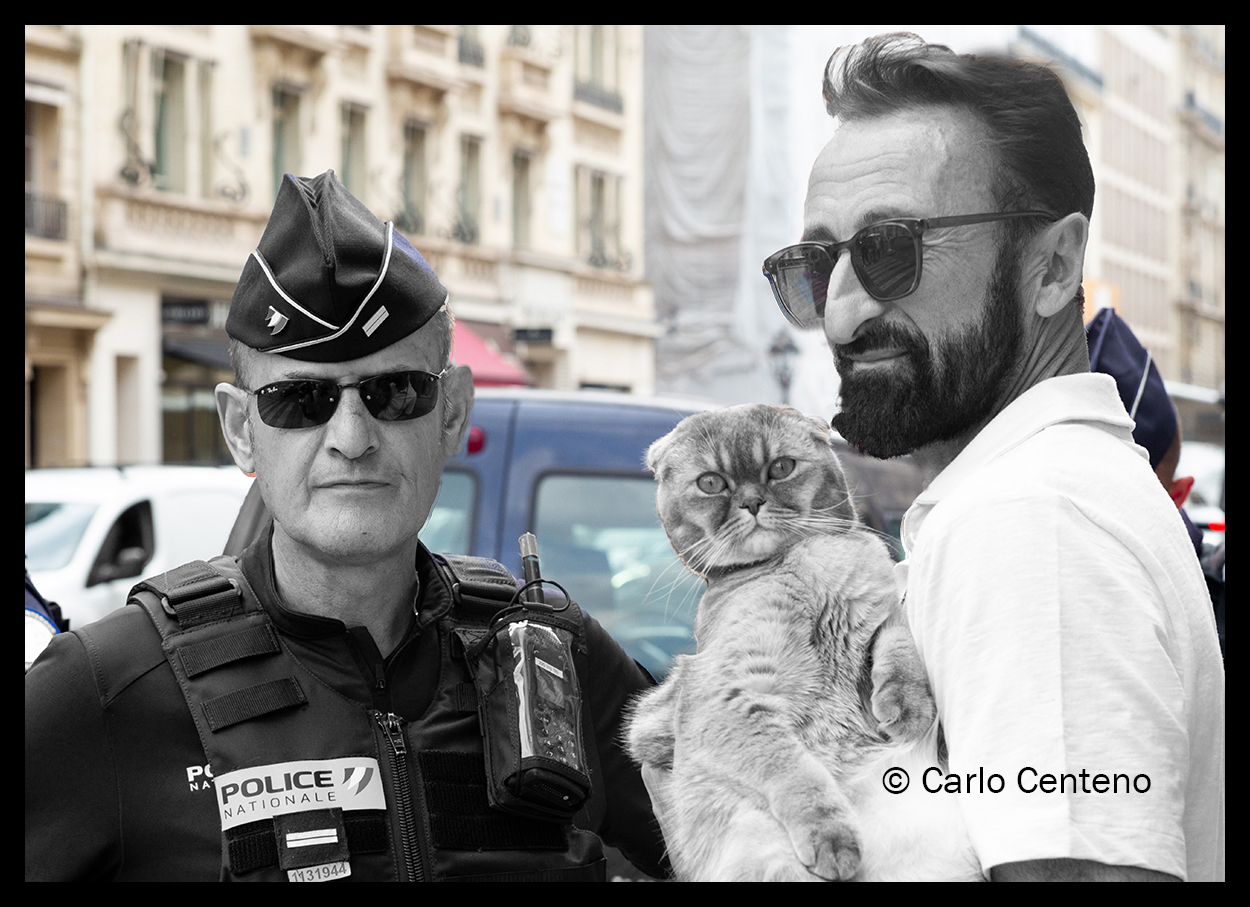
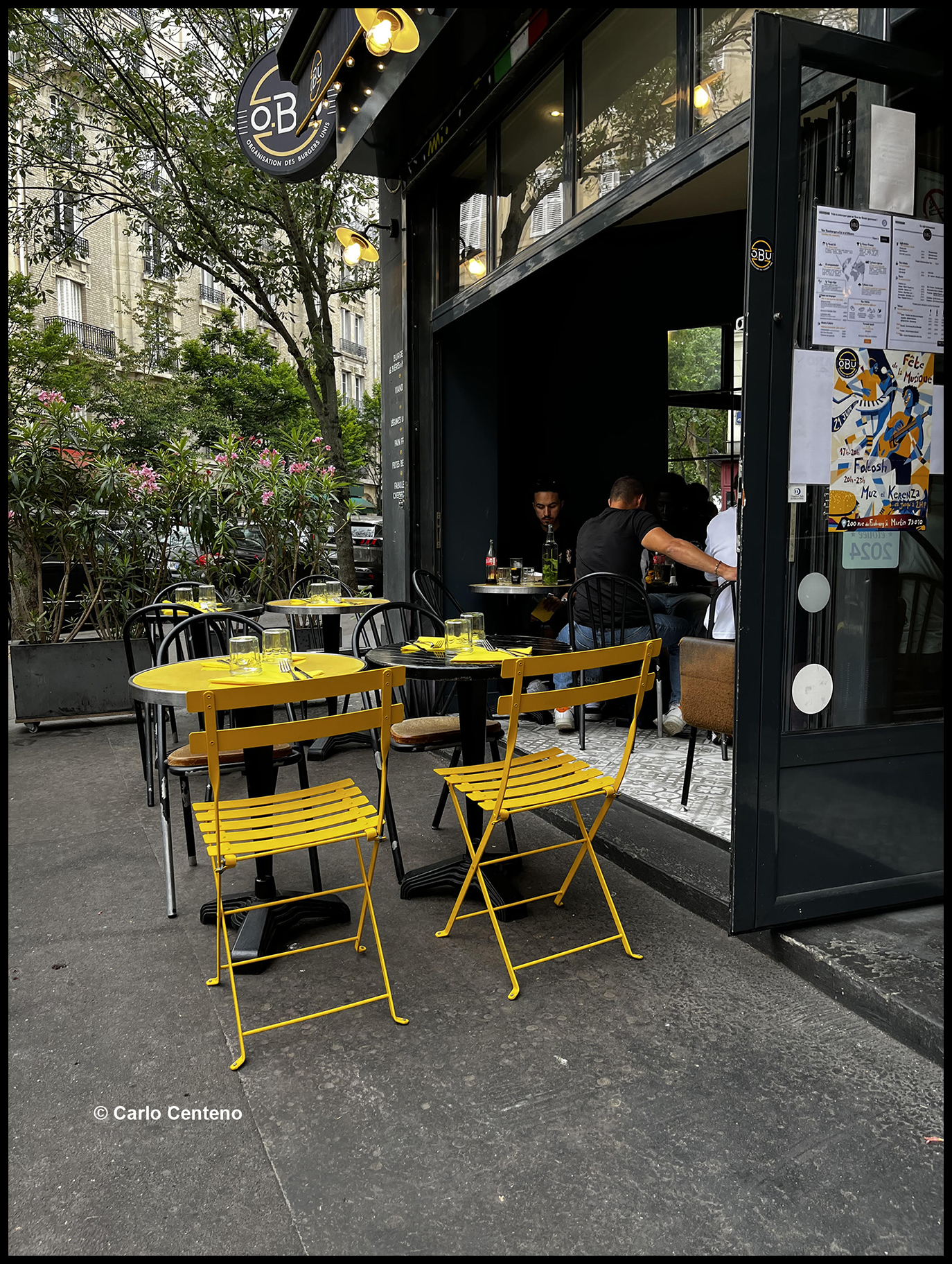
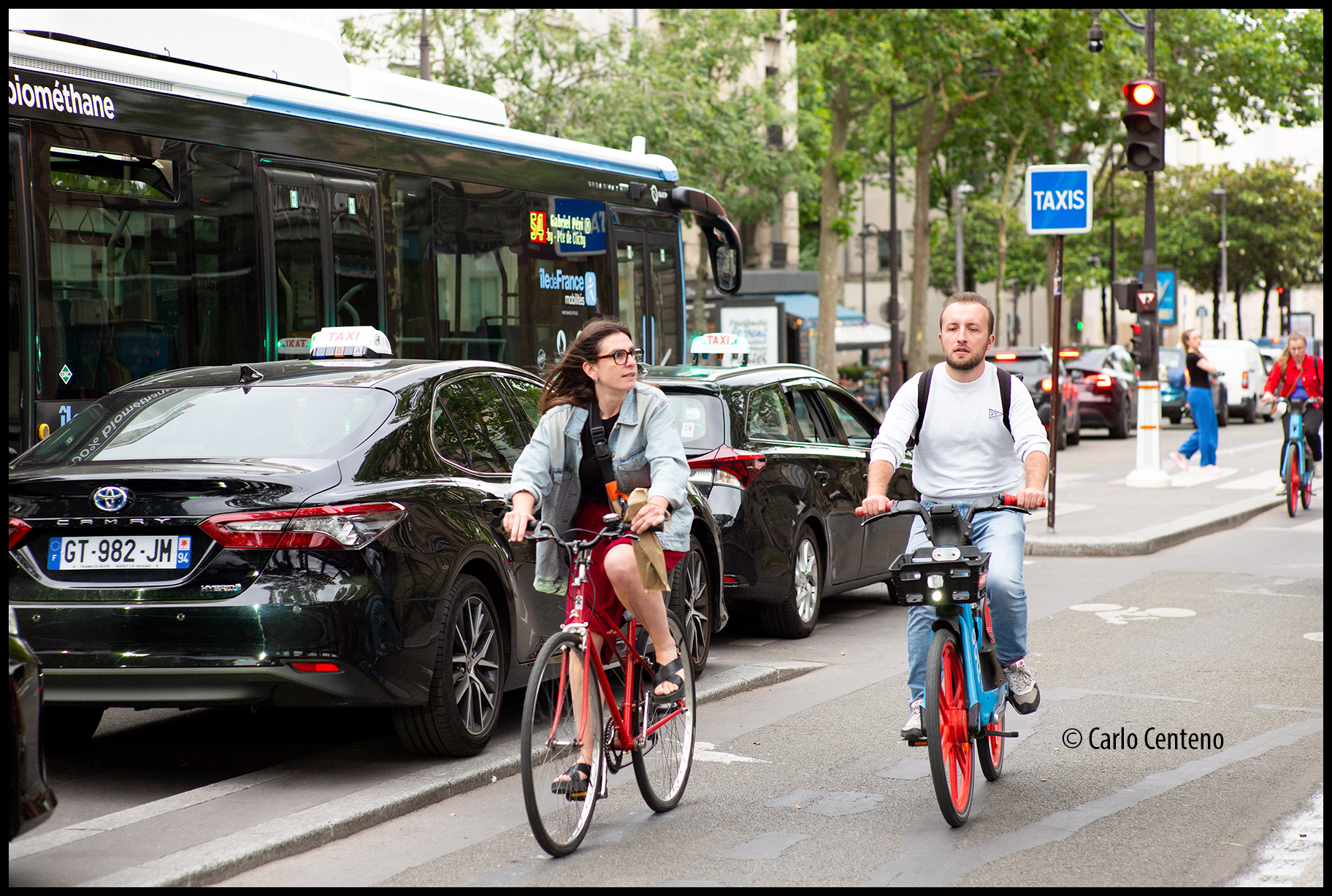
We sat outside among a cluster of small tables and chairs, but the waiter advised we sit inside, though not far from the open frontage. Il y a trop de fumee dehors. Too much smoke outside as cigarettes are popular in most of France. It was a perfect time to watch people going on with their lives: scooters and bicycles carried a cast of characters; small french cars ruled the streets alongside taxis and Ubers, motorcycles and buses.
Based on our waiter, my french was so-so. Monsieur, I speak and understand english; you do not have to speak french…. Ouch. Polite but humbling. As he turned toward the kitchen order-window, I mumbled, C’est dommage….it’s a pity, too bad.
“The solution for your industrial waste.”
NEXT VISIT: a week in the town of Vignon-en-Quercy [….See you there.] !!!
Business anniversaries come in all shapes and sizes. From time immemorial to the present, reaching a milestone is no small undertaking. However, longevity holds court when milestones are reached. This firm has made it to a century this year. Not bad, I’d have to say. I’ve been told it’s easier to start a business, but for any business to last 100 years, many know that it takes so much more. Timing and context along with ever-changing regulations all play a part in how and when a company such as ours, survives.
Founder: D.J. St. Germain
Our founder knew a lot about financial services, marketing, politics, people and more. He had to. It’s been said that having your hand in the business is always helpful. The company that he built and championed 100-years ago resonates today. I do see it, I and others can feel it, and clients believe in it. With this celebrated longevity, continuity becomes an important detail. All businesses–and most everything else that involves a relationship–relies on a level of continuity . Within that dimension, decorum should take its place: professionalism, product knowledge, listening skills, integrity, patience and persistence. In other words, they exist to help and guide an advisor and his/her client[s].
Circa 1970-71. Corporate headquarters located in Springfield, MA
Those businesses which deal with less tangible items have unique challenges to contend with. Legal and financial come to mind, 2 professions that rely on the knowledge and expertise of specific disciplines and the myriad of details associated with them. Corporate law, trusts, distribution of wealth/inheritance, risk management, time horizons, asset allocation, and so forth. In many ways, most of what’s being explained is co-dependent with intangibles, in particular the usage and positioning of emotions. “I think in the near/long term, you’ll feel better about the decisions we’ve made.”
Emotional Fluency
I’ve written about emotional intelligence, the notion of having a sense of emotional ownership for a product or service. And that’s perhaps the largest challenge for professionals who deal with things conceptual: make the client/target customer have a type of yearning for what he/she thinks will be delivered. Is it assurance, confidence, a faith that the right thing is being described and can thus be delivered? Like emotions, what’s presented to us–typically on paper with pie charts, graphs and other visuals–can strike a chord. Favorable? Unfavorable? Neutral? Clouded with doubt and perhaps dissonance?
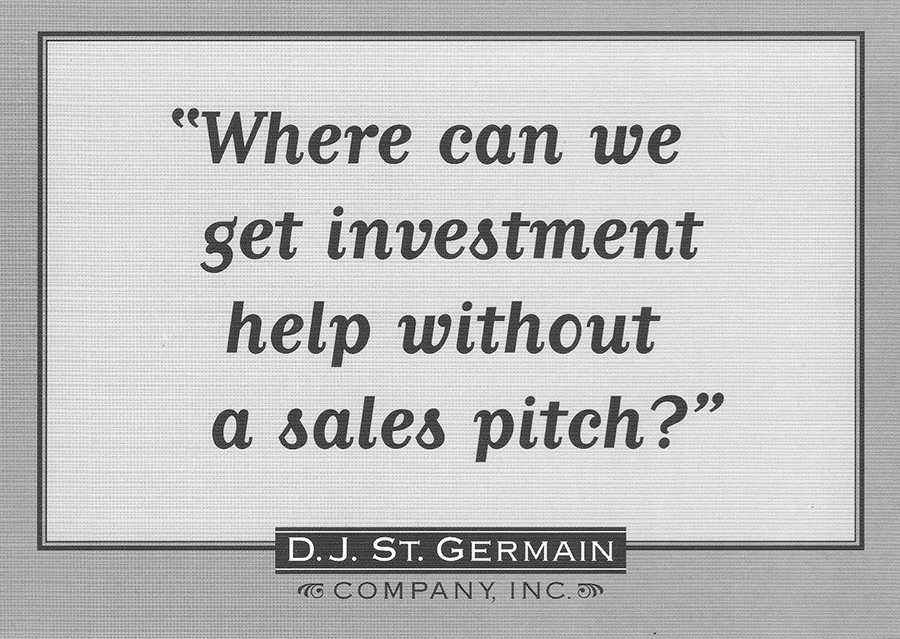
D.J. St. Germain ad, circa 1950s/60s approx.
A lot of what the firm does is nurtured with conversation, which in time delivers a moment where a customer understands the value associated with a concept in spite of doubts, second guessing and dissonance. Conversation and education are closely related, where the latter is woven into the former with words and phrases that mortals like us can comprehend.
During the stock market crash of 1929, this nascent investment firm stayed true to its mission: to provide a long term strategy that sticks to fundamentals and to include companies with good leadership, sound balance sheets and potential growth. I have no specifics on just how D.J. St. Germain & Company, Inc. managed to survive that crash, and this eponymous firm is still on its feet. Not everything perished in what was a collapse of the economy and financial institutions. People found something to believe in with this firm–and other businesses– in spite of the terrible scenario that played out in 1929.
What happened in those 100 years?
Mayor Dominic Sarno of Springfield, MA declaring April 9th, the 100th day of the year, as St. Germain Investment Management day.
We’ve experienced 17 U.S. presidents taking office; 6 wars that took place, then the COVID pandemic, and there’s a telescope unlike any other that reveals things many of us can’t understand let alone describe let alone see. And yet, St. Germain stuck to one maxim across those years: Do what’s in the best interest for our clients. The firm’s longevity is certainly based on experience, knowledge and an understanding that trust is the foundation for a relationship to succeed. The integrity of St. Germain’s professional relationships span several generations since its founding in 1924. And it continues to this day. Saying that clients are the assets that matter is more than a marketing tag line.
Investing is a journey that cannot follow a straight path. Your financial journey is defined by inextricable parts of your life: family, health, profession, current life stage, financial goals, your motivations and priorities, and more. Like many long-standing relationships, so much goes into that span of time that we still ask the question, “What’s the secret to your success and what makes it sustainable….?” Sometimes all those details get lost in the process of making things happen. However, as it happens, one word collectively binds together those particular details. Work.
The British Medical Journal [BMJ] is a one of the world’s most respected and referenced publications on everything that deals with human health, wellness, disease and fields of medicine. Imre J. P. Loefler, MD [1929-1977] was a frequent contributor and an accomplished surgeon, conservationist and writer.
I came across one of his BMJ articles, “Is Longevity a Sustainable Goal?” archived in the U.S. National Library of Medicine [NLM]. The points he made in his article 22-years ago are as timely now as it was in 2002. But are they….?
Immortality and longevity are 2 distinct subjects, where the former is a philosophical if not spiritual notion that an individual has a soul that exists in perpetuity. It’s a construct that moves aside the real limitations of the physical self. Longevity is a span of time in one’s life or a specific span such as a career or avocation. You can draw parallels to both nouns, but longevity poses the question to many other things in our lives: how much longer will this car/fence/water heater/ roof last…? Assuming one’s in reasonably good health, there’s the question of, how much longer will I, or can I, live….?
In terms of our human life, common denominators hinge on several factors that can impact a decision. We understand the variability of culture, country, diet, healthcare among a myriad of other attributes and factors, which play roles in the longevity equation. And yet there are several things that gnaw into my own sense of self, and in the process posits this Jekyll-and-Hyde aspect that is very much entangled with our human existence. Results for the greater good, and bad ones created to our detriment. I’d like to think on the whole that we as living beings understand the moral zenith, which is all things living deserve to live out their lives. While we like to think that some things in life contain order and purpose, a much larger question is this: Is the quest to prolong one’s life a mission to extend life, or is it to ameliorate guilt and sadness expressed by friends, relatives, colleagues, etc. at a time when that life is so close to expiring? Who’s right? What are the “side effects” of prolonged life for family, society, resource utilization….the very survival of our planet?
Mayfly-ephemoroptera courtesy: Fly-fish Circle
From the brevity of a Mayfly [some adults have a 5-minute lifespan] to the Galapagos Turtle [100 plus years], Nature–for the most part–has the first right of refusal regarding the lifespan of all living things. We just don’t know when it expires. We do know that medical technology is finding ways to prolong life. As more and more discoveries point to the possibility of prolonging life, where is the end point?
Ultimately, prolonging life boils down to not only diet, sleep, exercise, preventive measures and so forth, but the details at the smallest and likely most complex of things microscopic. Think things at the cellular level and the knowledge we glean from things such as DNA and mRNA.
In 2020, French microbiologist Emmanuelle Charpentier, PhD and US biochemist Jennifer Doudna, PhD received the Nobel Prize in Chemistry for discovering the CRISPR/CAS 9 genetic scissors. They are the first women’s team to earn a Nobel prize. For us mortals, it means there is now an extremely precise way of changing the DNA in plants, animals and microorganisms. Taking that to the next level, it means near endless possibilities that can help those involved in the Life Sciences: research in potential cures for the most virulent and deadly of diseases can now be scrutinized by their genomes and subsequently altered.
Can you imagine the 2 most obvious yet divergent results from genetic modification? One modification for the greater good [cure for ALS, Alzheimer’s Disease, cancer, e.g.], the other for something wholly individualistic [changing genes for eye-color, height, e.g.]. And who determines areas or potential end-results as intractable?
I’ll let Dr. Loefler have the last word on this:
“Ultimately, the pursuit of longevity as a cultural goal lacks moral content and can be regarded as a form of hedonism. All great religions and all great philosophies would have agreed that the question of how long one lived was subordinate to the question of how one lived and what someone had done with his or her life. Nowadays, however, there seems to be one agreement only: that to live longer and longer is a good thing. Vouchsafing a long life for everyone seems to be the driving force of contemporary world culture. The consequences need to be pondered.“
“We love seeing your boards. They’re easy to read and understand. And they don’t have a lot of clutter.” Anecdotes are not reliable scientific measures, but word of mouth in this day and age does mean something to marketers and more specifically, consumers. The number of drive by impressions depends on the location of your outdoor advertising and the message presented on that billboard. It helps further if your board stands next to a major route that’s regularly used all year long. By extension, we have a second board similar in concept, but unique in their message and brand positioning. So, we have 2 boards that run in rotation, that second board can be anywhere so as long as it’s on a major highway or road that allows for a reasonable “read.”
A lot of commuters, vacationers et al travel our interstates. Traveling north/south is straightforward from 95 in New Haven, CT then onto 91 right up to the Vermont border. The east/west channel has the Mass Pike [I-90] running from Boston all the way to eastern New York. Springfield, MA’s DMA [Designated Market Area] is ranked 117 in the USA. A short 25 minutes south, is Hartford, CT, ranked 32. We do get our share of leaf peekers, second home owners in Berkshire County, skiers, campers, fly-fishers, boaters, hikers and everything else in between. Demographically speaking, there are key influencers and decision makers who receive multiple impressions from our messages.
But before any creative goes up, the content must deliver a quality that most viewers/drivers can identify with. As a brand, our firm is known for long-term strategies, growth, and a conservative though modern approach for reinforcing our values. And since our beginnings, we’ve positioned all our clients as the assets that matter; it dovetails with our commitment as fiduciaries: we work in the best interests of our clients.
We also partner with non-profits, either through co-branding or providing the space for however they’d like to use it. Any proposed artwork needs to go through our compliance & legal departments.
Travelling on the highway, you have less than 1/30 of second to glance at a board, any board. We make every effort to keep the content simple and relevant to our clients and prospects. There’s been no shortage of motifs to help develop content. For example, there’s been a growing interest with Artificial Intelligence [AI] and the world of autonomous electronics or in applications that can generate text that’s easy to read and perhaps follow. ChatGPT comes to mind. It’s not unusual in our digital world today where you could make it easier to create something that refines efficiency while reducing complexity. Robotics come to mind.
When I started here , I pushed for the use of white space because it adds, 1) a sense of calm & order, and 2) it delivers a focus that helps you think . David Ogilvy, the grandmaster of modern advertising and branding had a tenet that has stuck by me: “Keep it simple and do not talk down to your audience.” A lot of outdoor advertising is overloaded with info. It’s as if the strategy is to include as many benefits and attributes in the space. I refer to it as putting 10 lbs of “stuff” into a bag that holds only 5 lbs. Simple concepts are often better if only because they can be easier to remember.
As an advertiser, having the right message delivered in a relatable way means the viewer can identify with what’s being said. The short version of that is referred to as having “emotional ownership.”
When a message strikes a chord or brings forward a detail that sticks with you, then emotional ownership has taken hold.
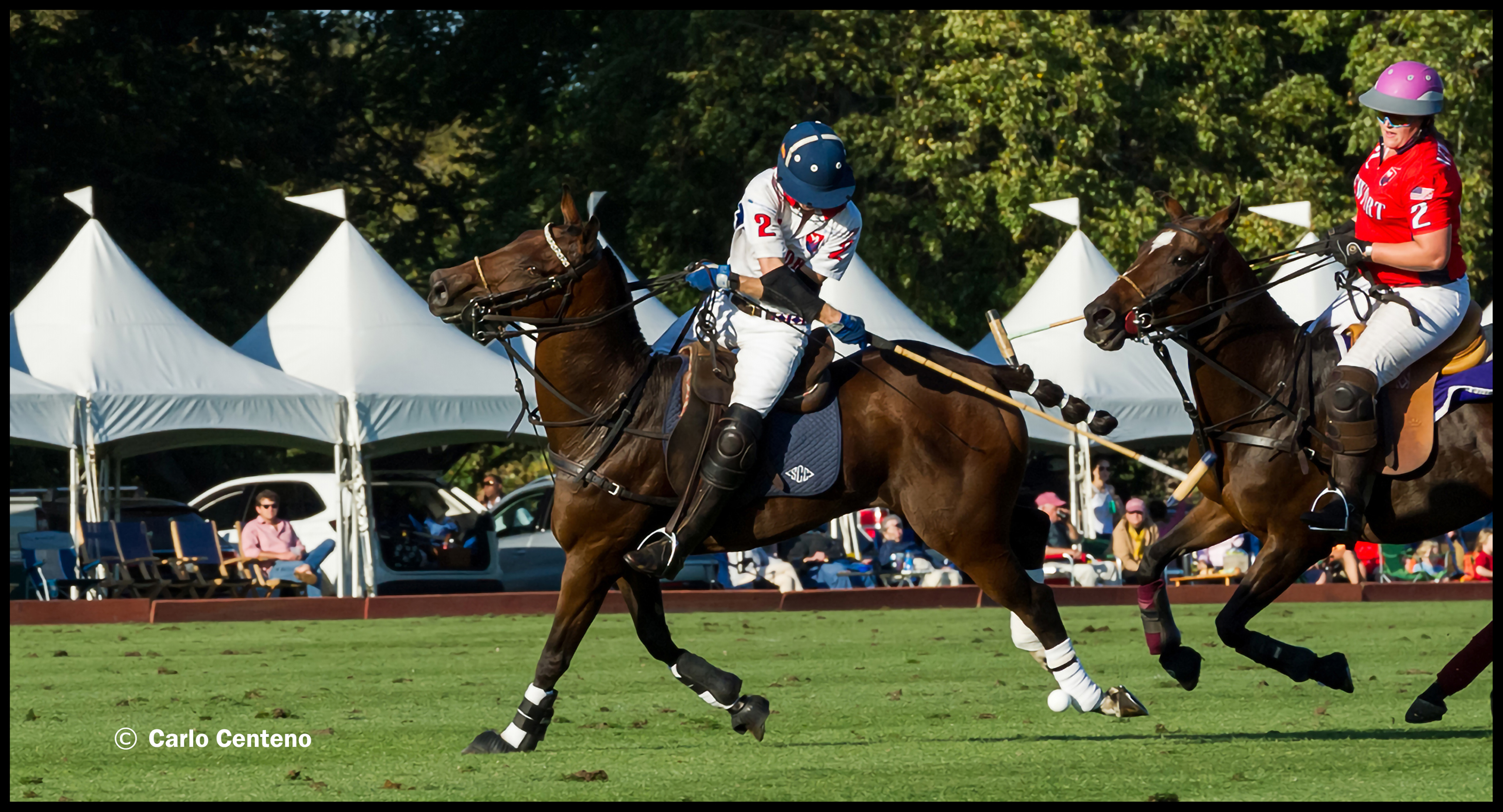
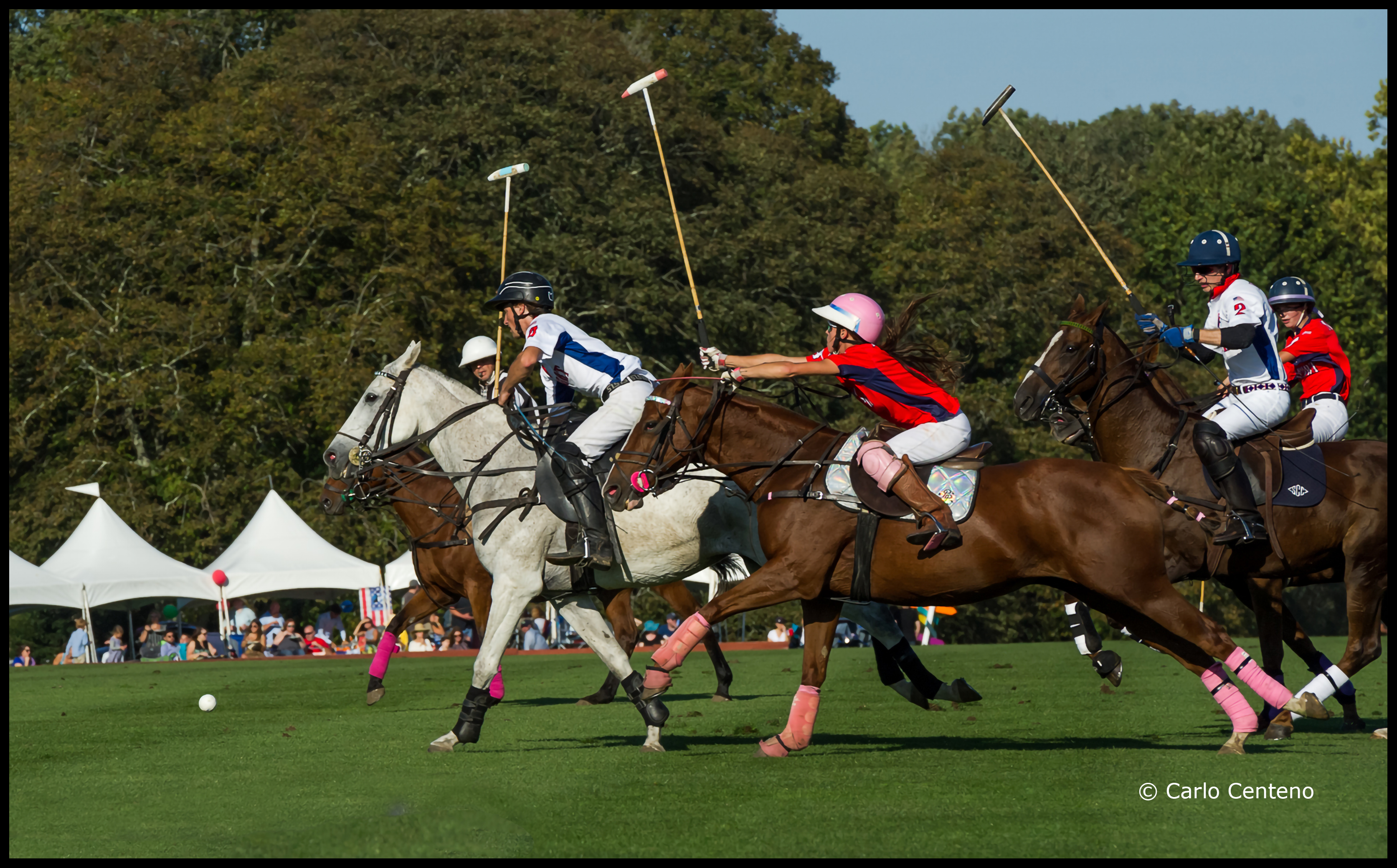
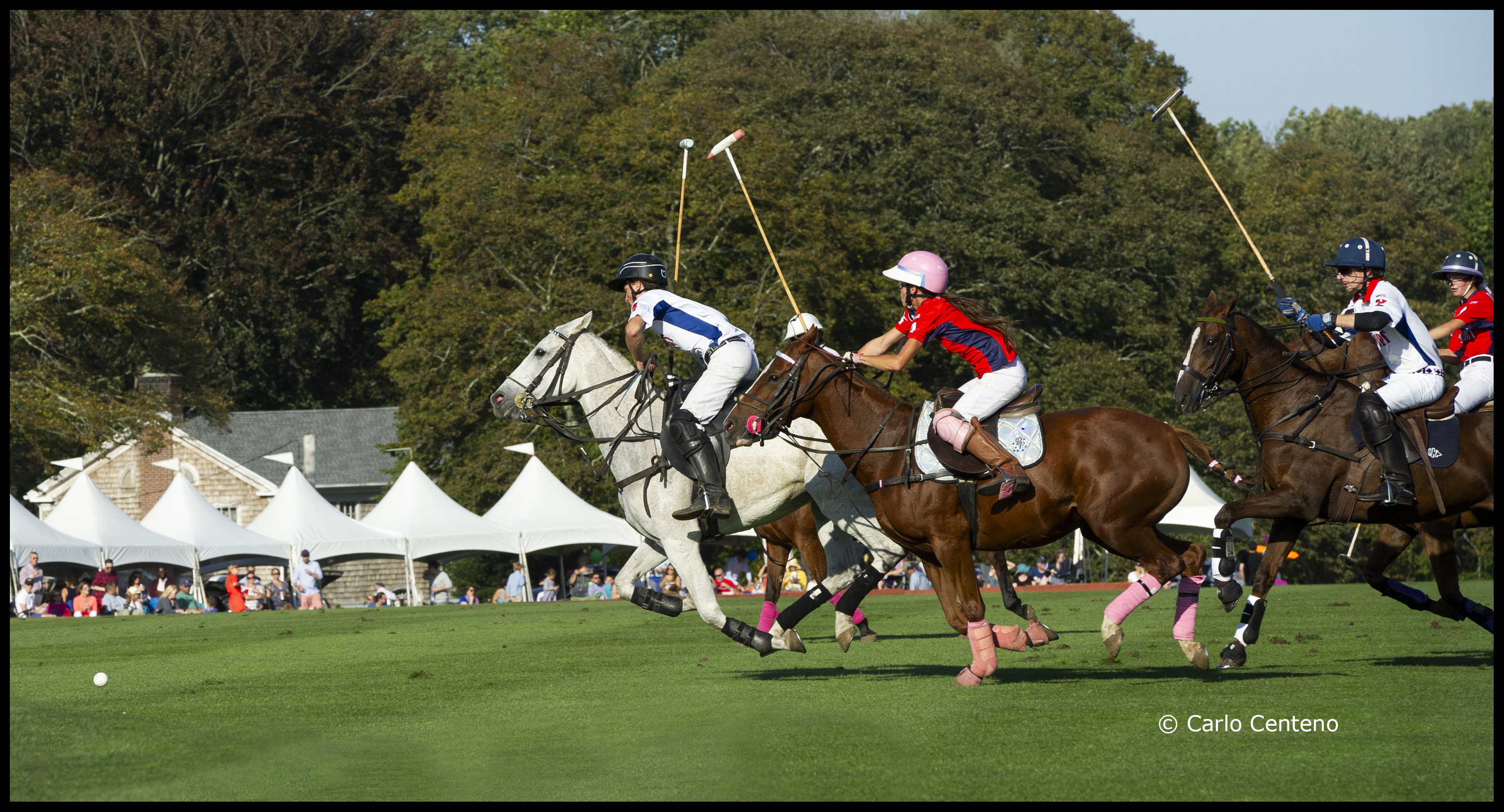
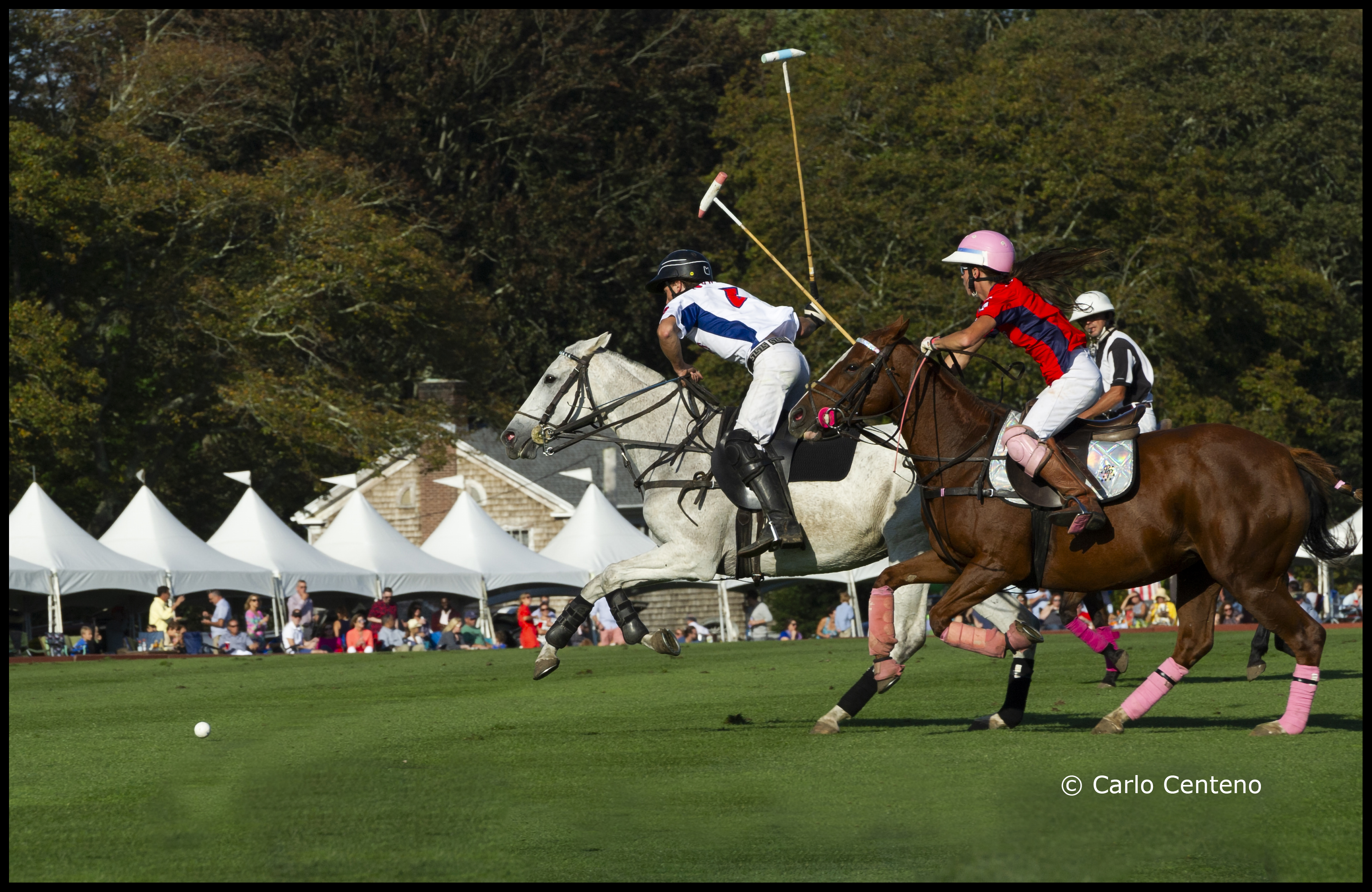
Those who play team sports understand the overall utility that is teamwork. No great mystery there. The many endeavors we encounter in Life often function better when we work in groups. From hobbies and clubs to those in line-work and the C-suite, we often rely on someone else to help complete a project or task. Granted some tasks are regularly completed by one person, and such tasks can be specialized inasmuch that that one person is THE best person to do the job. Without her/him, the end result may not meet expectations. To a great degree–individual efforts aside–you’re only as good as the people you work with. A special thank you to David Schultz for his hospitality at Newport Polo.
I’ve come across a lot of A-words lately: amazing, atomic, artificial, augmented, abstract, auspicious, audacious, accountable, admirable, apathy, appreciation, affection, accomplished, alarming, Arctic, Antarctica, abysmal, appalling, anachronism and so forth. Like a daisy chain made of paper, these words are linked and yet each easily broken free by the slightest of tension. And while some connections may not make a whole lot of sense, there are reasons however small, that connections take place. Anxiety, lack of focus, melancholy, fear, joy, anticipation, distraction, etc. etc., the Yin-Yang of this is that the very same attributes that prompted the connections can be the same to break them. It depends on time and place. Context is everything.
Audacious. Approx. 35-degrees on a starboard bank.
The words come from various sources, anything and everything that shapes our life experience. With this exercise, the empirical nature of each word puts aside the rational, and instead embraces sentience, that ability to feeldepth of things experienced. It’s certain that others who feel existential—rightfully so in our fractured society—may feel embarrassed yet genuine. What could be more human than to feel concern about our current state of affairs [macro] and our relationships [micro]?
Anachronism. At the stable. The Mount: Edith Wharton’s summer residence.
I’m feeling abstract [visualize Cubism Art] and yet oddly auspicious because many things in life and living are not rational. We are prone to rely more on our senses, the very emotions that can either ruin or celebrate moments in our lives. Yes, I’d rather feel embarrassed and genuine versus being stymied with self-serving, deductive reasoning. The former brings a sense of order, the latter a chance to improve our emotional intelligence and increase a capacity to further understand each other.
Abstract: The Slave Market & Disappearing Voltaire.
Life imitates Art, or is it Art imitates Life? Similarly in marketing, it’s not what you’re getting, but what you think you are getting. Perception is everything and even more so in the here and now. It’s a refrain that frequently echoes in my thinking.
Admirable.Augmented.Appreciation.Arctic-Antarctica: an aftermathAuspiciousAugmented.Affection…with my favorite “cup-of-tea”
There will be no “B” collection, existential-word-dump, involving any other letter, or a character for that matter. An exercise with one letter is enough for me, and probably for you as well.
In conversations, and things written, a question posed usually prompts us to reconsider a position we hold, maybe a perspective quite different from what’s already been established in our own thinking. This collage, this tapestry-of-a-post may not mean much to anyone, but it could be provocative enough to slightly encourage another perspective. Why not?
The seasons are moving quickly and as I get older my own temporal reality is based on just how fast time seems to go by. I lean towards the empirical and the sentient qualities of the here and now to help me keep it all together.
I never thought I´d grow up so fast so far. To know yourself is to let yourself be loved. Do you ever get me? Shower me with affection and I’ll return in kind. I have no hidden motive, I am blind. Do you ever get me?
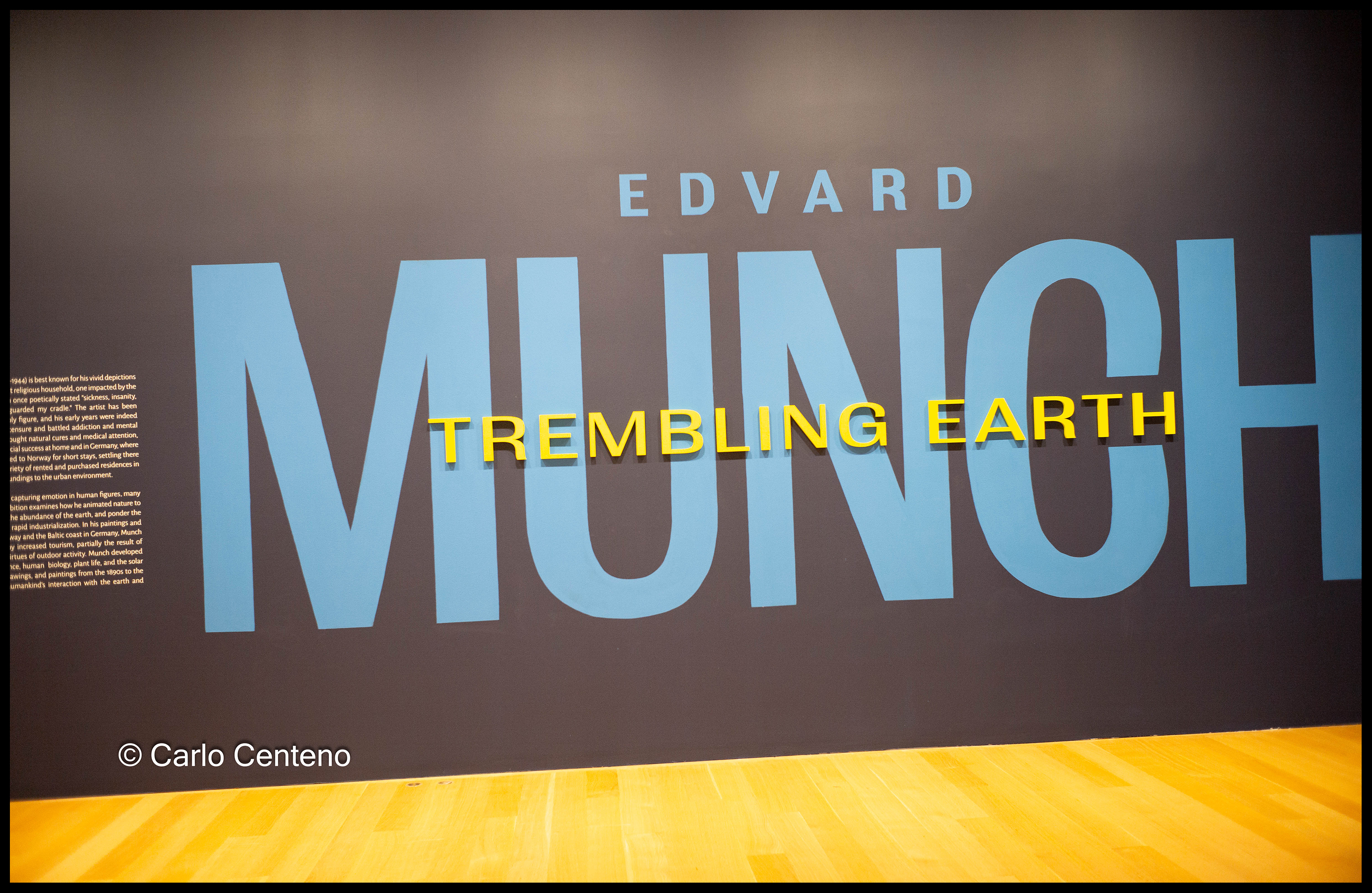
At the Clark Institute of Art, running through October 15, 2023, is a special exhibition, Edvard Munch: Trembling Earth. Munch’s [“Edward Moonk” Norwegian pronunciation] most recognizable, iconic painting is The Scream, and yet not many know of his other work which includes a number of self-portraits, prints, figure portraits and landscapes. The latter showed what he felt was a confluence of the natural world and humankind where nature provided a kind of salve that the urban environment could not deliver. The artist’s life contained the antagonists that shaped many of his creations: life and death; love and loss; loneliness and despair. And yet Munch as a protagonist, allowed us to see and feel the very antagonists that took hold of his deepest emotions.
I found the entire exhibit revealing if not eerily prescient. The power of art in all its forms allows us not to just see the obvious, but to measure if not ascertain a) what behooved the artist to produce his/her creation and b) what, if anything, draws your attention to the work?
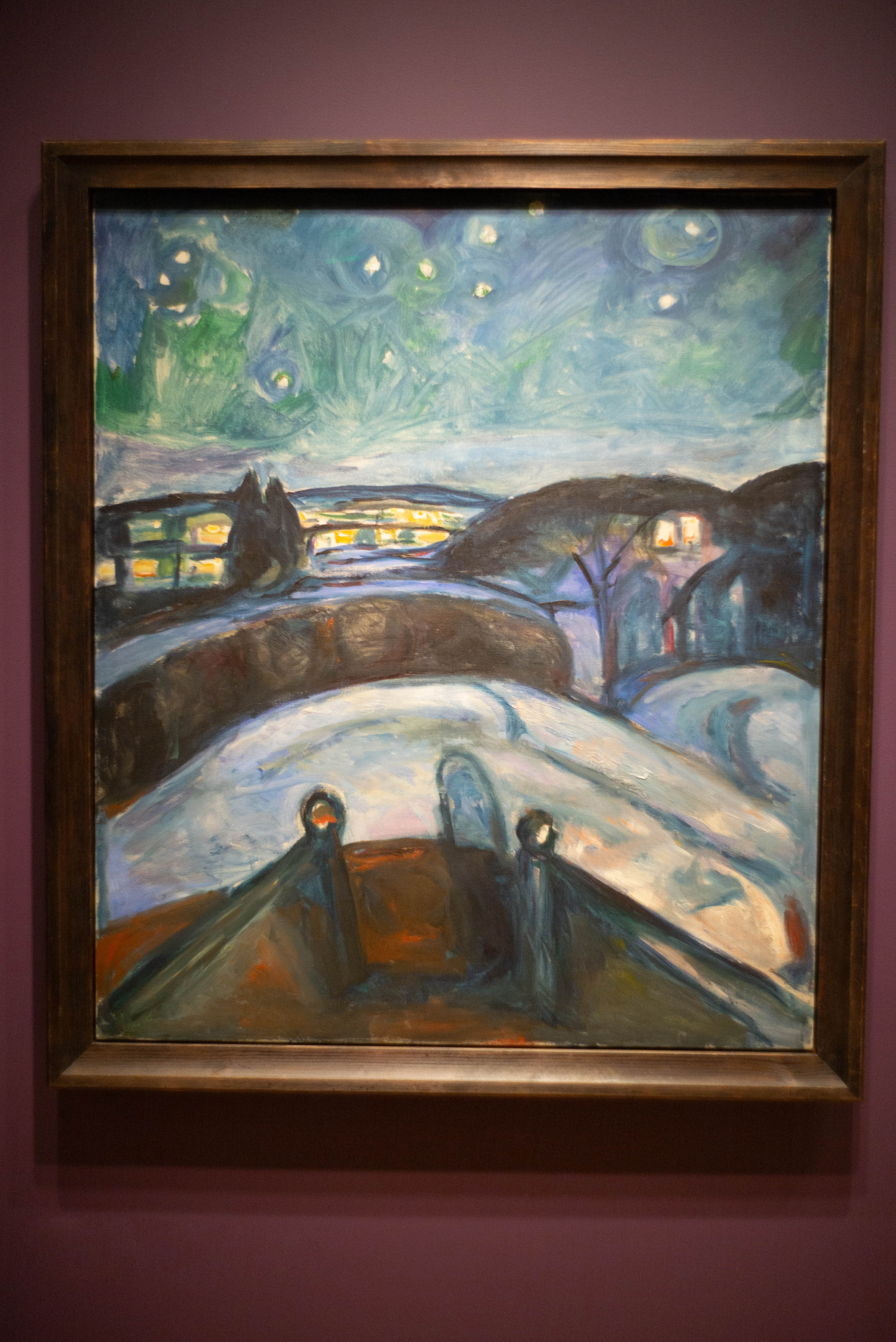
Starry Night, 1922-24
While some of his paintings hint at Vincent van Gogh [1853-1890], there is a quality that makes Edvard Munch’s work stand apart: his apotheosis of anxiety, loneliness, longing and loss are indicated by the despair of his faceless human subjects. The hue of uncertainty and angst lay claim to troubled souls.
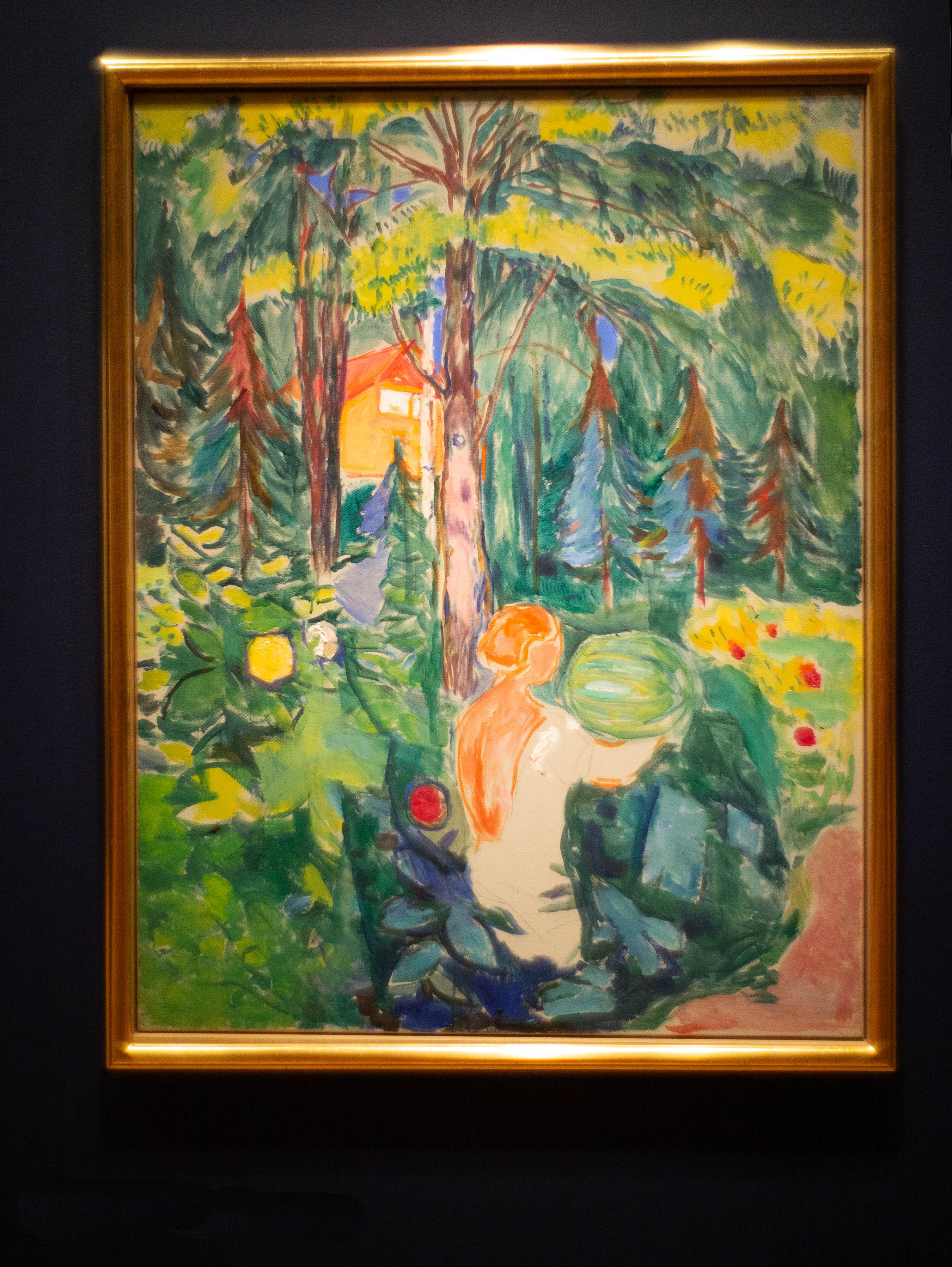
Woman with pumpkin, 1942
This is one of my favorite paintings, Woman with pumpkin. Its creation captures a sense of lost, and longing. The symbolism could be anything and everything. The pumpkin and the dark green color appear as if a person is holding the woman. Note the 3 “fingers” on the hip of the woman. In fact, the greenery next to the woman appears to be kneeling on its right knee, its “left leg” bent with a “foot” planted directly on the ground close to her back. Hence, the figure is resting its head on the woman’s right shoulder, the right arm suggesting a pillow.
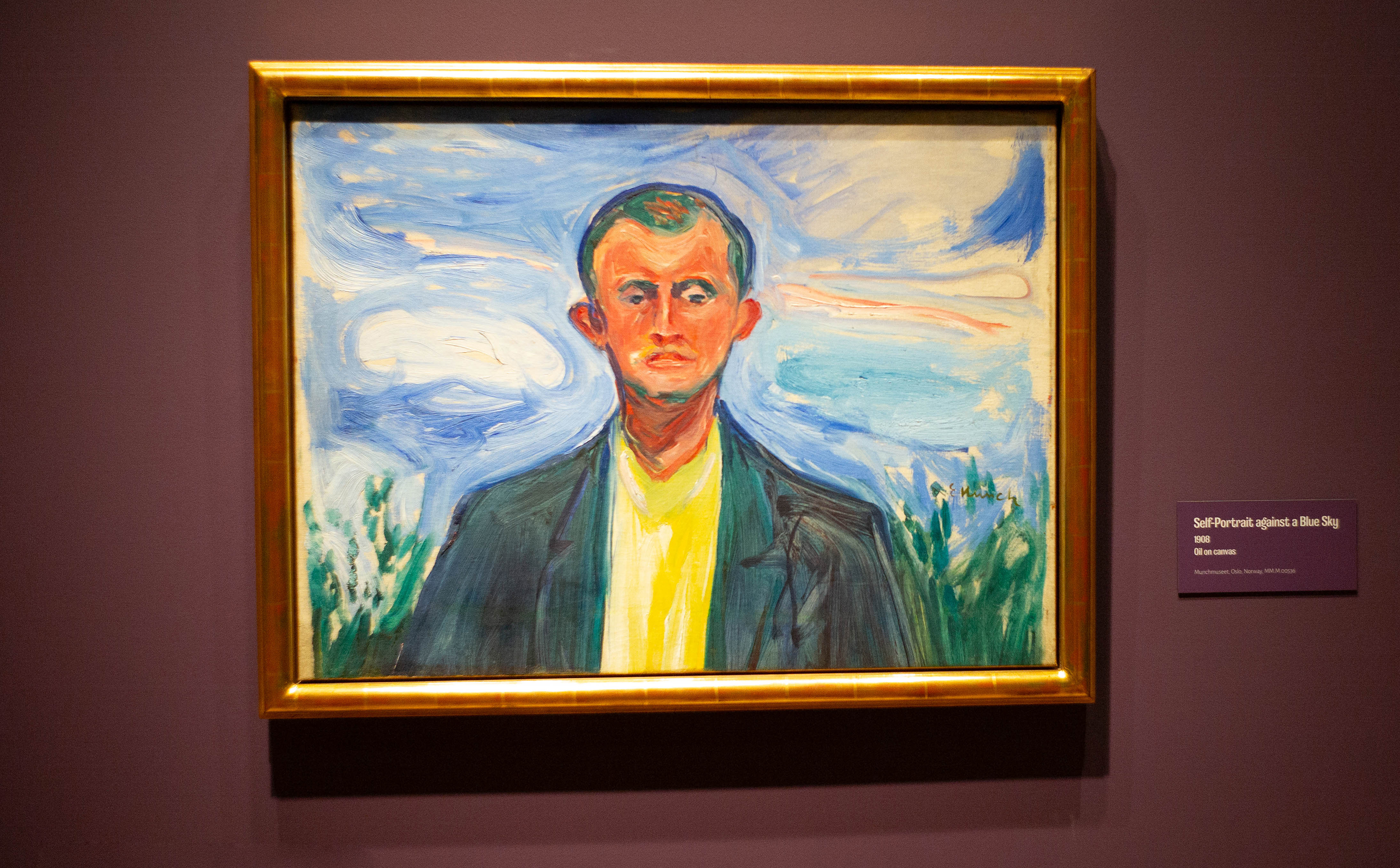
Self-portrait, 1908
Whatever you see and however you see it, Munch is a captivating study of conflict. You can feel it in most all of his works. The landscapes provide contrasts regarding our ability–and inability–to co-exist not only with the natural world, but with each other. Put another way, Munch is caught within an insatiable push-pull between the Id [our instincts], the Ego [reality] and the Superego [moral strength].
Self portrait with palette, 1926
No artist lives a life of order and predictability. It’s contrarian to that world of creativity and expression. Munch’s self-portraits demonstrate a fortitude within his reality that dices with the likes of the Id and the Superego. Each of us deal with the instability created by our instincts and morality, our actions and reactions, our angst and distress. In a way Munch’s paintings brings form to what is often abstract yet palpable, even vicarious and visceral.
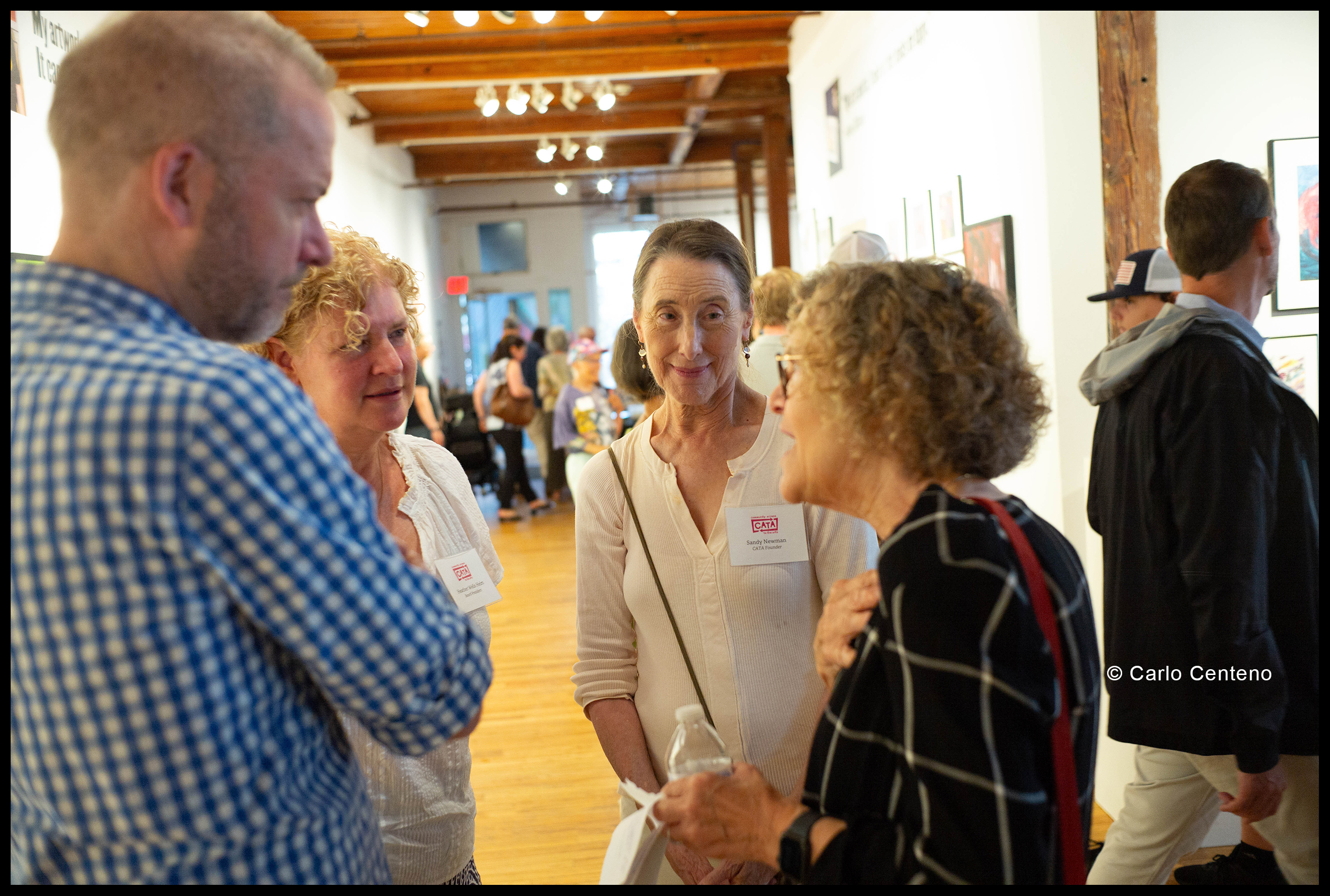
The Community Access to the Arts [CATA] never ceases to amaze me. Meaning, “the creativity of the artists at CATA is as exemplary, as contemporary and modern as Art can be.”
The artistic abilities of the artists represent their thoughts, feelings, perspectives and perceptions that are as strong and perceptible as any artist could produce. From perfunctory to profound, energetic to calm and peaceful, there’s a lot being expressed on the gallery walls. Perhaps the most obvious being that these artists–with disabilities–clearly have a way to express themselves.
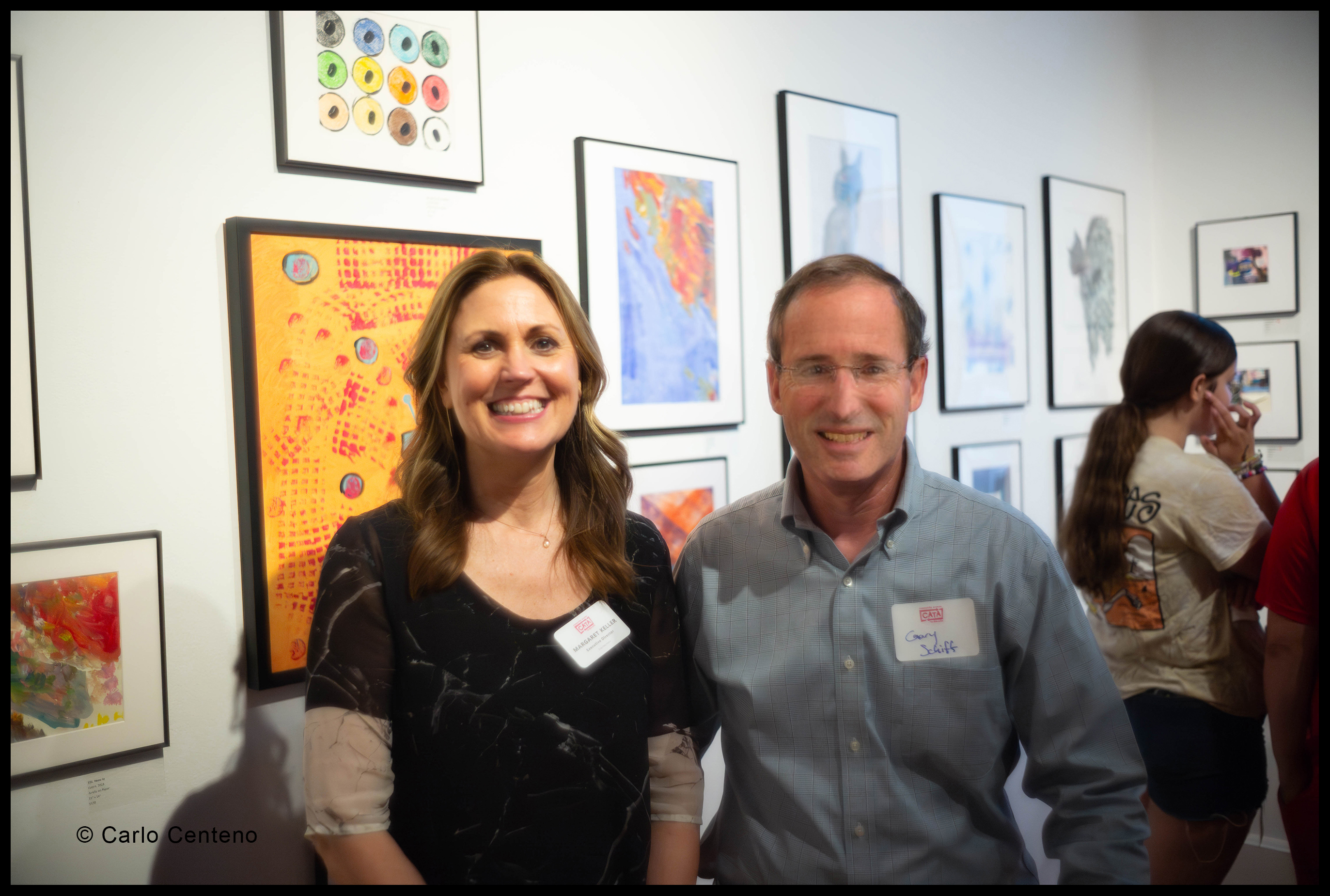
Margaret Keller with Gary Schiff, Managing Director, October Mountain Financial Advisors.
This opening recently took place at the Lichtenstein Art Center in Pittsfield, MA. Most all of the paintings are for sale and the artists receive a commission for their work. This show has much to offer, from small to very large using water color, oil, acrylic and ink painted onto wood, stretched canvas and other media.
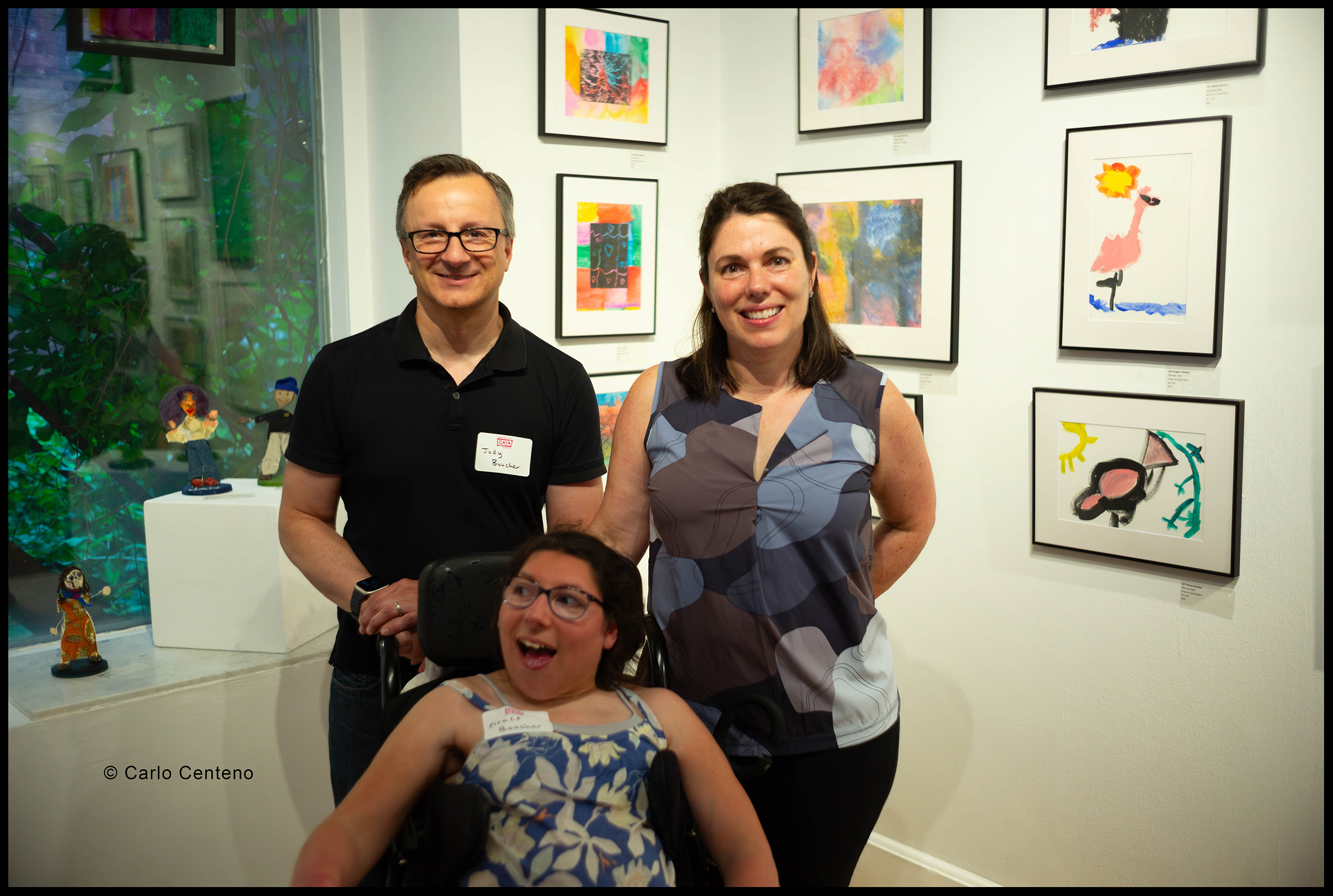
CATA artist Grace Boucher with parents.
Outside the gallery a boatload of rain just kept falling. It felt undeniably tropical; one moment a light rain, then clear, only to have everything overwhelmed by yet another heavy cloudburst accompanied by thunder and lightning. And yet the space was filled with friends, parents & guardians of some of the artists and loyal patrons and art lovers.
Kelly Galvins, CATA Program Director-Agency Programs
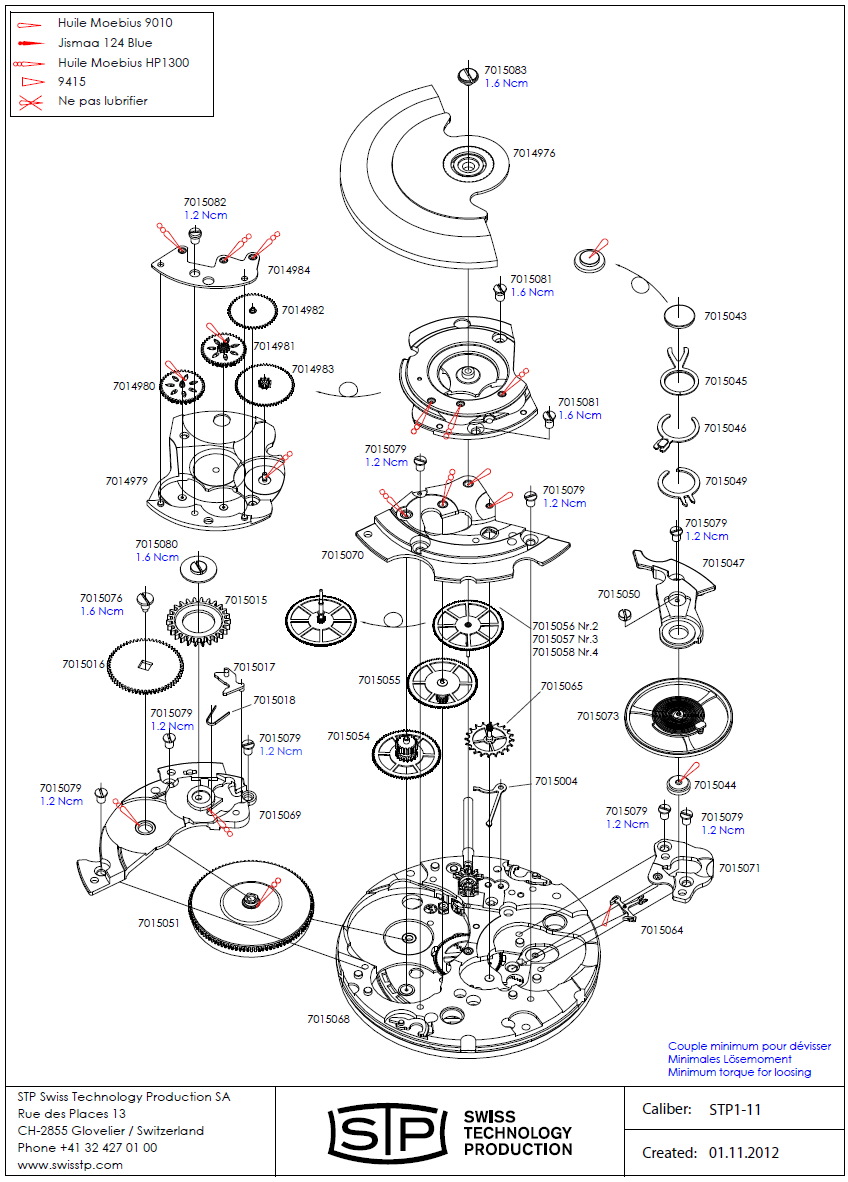
The success of any such gatherings depend a lot on those in charge of details. We all know that. I think of automatic watches, and how well they function. This organization [CATA] is akin to the dynamic of the workings of an automatic watch, self-winding [automatic] or hand winding only.
credit: Swiss Technologies Production
The sum of the parts is greater than the whole. Every component has a function, some specialized while others are a standard part to ensure the watch’s ultimate function.
credit: Patek-Philippe SA Geneve
Every person shaping an event matters. Just as an automatic watch requires springs, levers, meter wheels, escape & driver cannon pinions and so forth.
[center] Ms. Sandy Newman-CATA Founder
There needs to be synchronous relationships for many things to work: autos, machines, computers, watches and people. That quality of interaction relies on the functional capability of the part [or persons] involved.
Kara Smith, CATA Program Director [studios].Ms. Michelle Goodman-CATA artist.
Meanwhile, there’s all this chatter about Artificial Intelligence [AI] with its potential and failings. Regulation? Monetization? Security? A bona fide threat to originality or something that can expand our ways of learning? In the end–and I do mean “The End”–nothing matters more than the people we love and care about, the interactions in gatherings familiar and new, and the way we contribute to being in the moment.
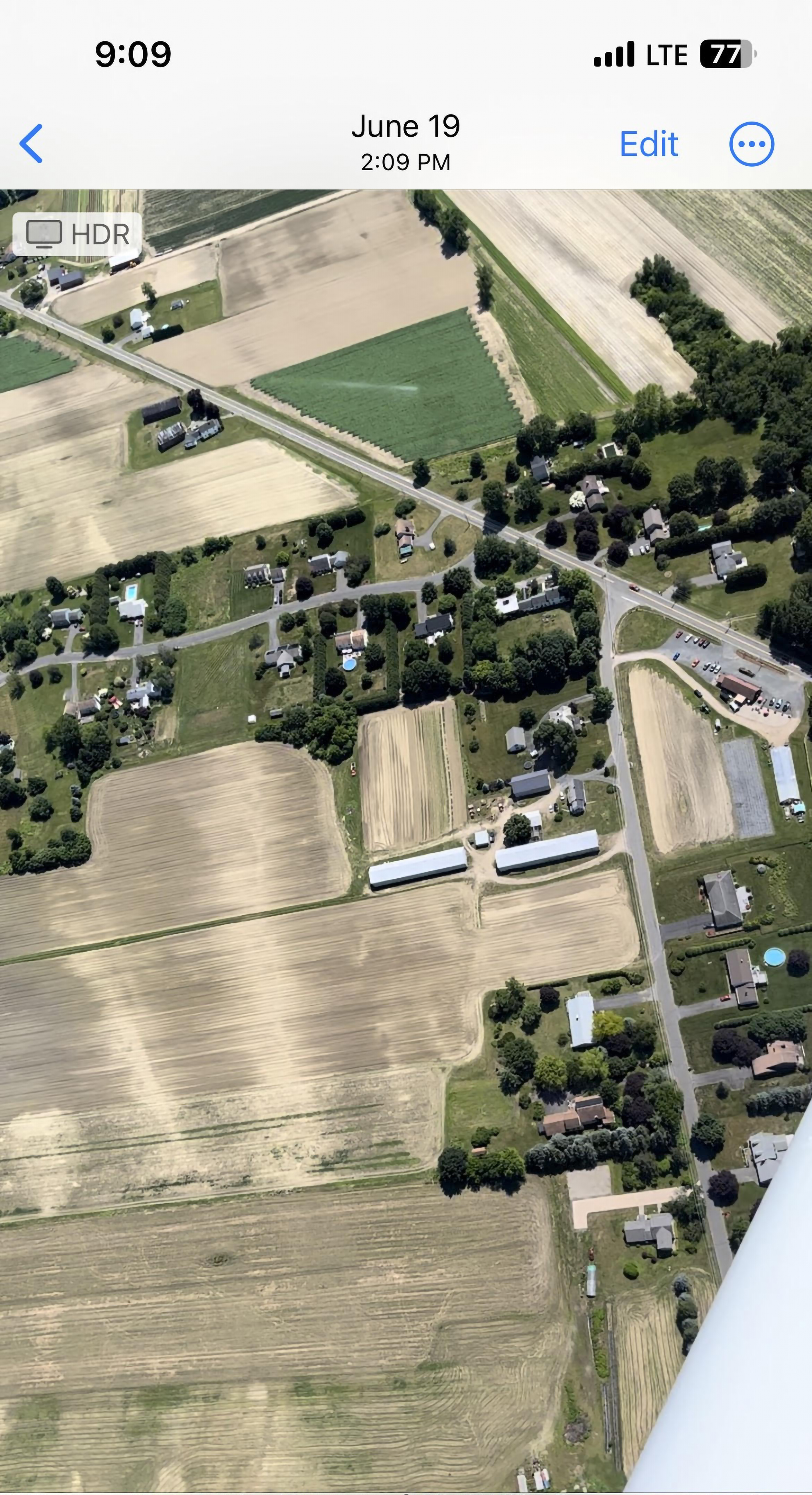
The exhilaration of flying in a single-engine airplane does a number of things, the most obvious is that the ground looks so expansive. Terra firma goes on and on into the horizon. Scale and size play with my sense of proportion. What you see on the grounds looks small and yet other things seem larger than they should be. The length of highways, the relative size of cars, trucks and trains look as if they were sectioned off a sizeable display meant to be “an artist’s interpretation” of a grand project years in the making.
The Oxbow on the Connecticut River in Northampton, MA
Traveling 2,000 feet above ground at speeds between 65-80 [kn] knots, it’s easy to feel overwhelmed. There are places you know of, but from the air, they take on a different personality.
Somewhere not too far from the airport and still in MA.
Like a jig-saw puzzle on a larger-than-life scale, parcels and tracts of forested land interconnect. All appears as it should [at least through my eyes]. My friend and pilot, MP, knows more about the puzzle laid out below us. And he knows a helluva lot about flying. He’s been a pilot for well over 30 years. I don’t fly and know little of it, and it becomes more than obvious MP is very much in tune with all details pertinent to flying. Knowing weather conditions leading up to “GO” is de rigueur on his pre-flight checklist. It’s quite a checklist to say the least; I’d have to Google the majority of the terms on that lengthy list for obvious reasons.
The French King Bridge connecting Erving and Gill, Massachusetts.
On the ground, I have a better sense of familiar locations, most of which I’ve driven to many times already. From the air, that’s another story. Having a large river coursing across the county helps to some degree. For example, the French King Bridge is a familiar site on the road, even before actually seeing it, but from a small plane, the road looks slightly unfamiliar. Still, there’s no mistaking that beautiful cantilevered bridge.
The Seven Sisters of the Holyoke Range. There are 3 large “hill tops” in the center. Trace the left of the photo to the horizon, and you’ll see the other 4, the furthest one wrapped in a haze, but still visible.
As many of you know, the Seven Sisters are the 7 colleges located in the northeast USA. Since their founding, all are women’s colleges, but for one that went co-ed [The Harvard Annex–now Radcliffe College–is part of the Harvard Radcliffe Institute]. They remain highly regarded and very competitive schools to this day. The 7 [in order founded] are: o Mount Holyoke College 1837 o Vassar College 1861 o Wellesley College 1870 o Smith College 1871 o Radcliffe College 1879 o Bryn Mawr College 1885 o Barnard College 1889
Looking south to the towns of Deerfield and Sunderland, MassachusettsThat bridge is the same one in the photo above. You can see Mt. Sugarloaf left of center.The observatory atop Mt. Sugarloaf.
Spending about 2 hours in the air was a terrific experience. Knowing MP and the way his plane is maintained, I felt confident and safe in his hands. It was a rare, bright day with a slight on-off breeze, perfect for just about anything. My time at 2,000 feet allowed for some R&R, plenty of “what-have-you-been-doing” conversations, a chance to take some photos and moments to appreciate all that is life, the good and not so good, the rote and the unpredictable.














































 Carlo Centeno