Frisson…..it’s French for a chilling sensation, a shiver. It’s typically a pleasurable response to a stimuli that “moves you.” At times we refer to this reactive sensation as something that, “gives me the shivers.” You get goosebumps, you feel the small hairs on your arm or the back of your neck stand up, your breathing and pulse become quicker.
Frisson is that short-lived somewhat intense satisfaction often brought on by music, art, an event, a person, a book, essentially whatever it is you witness that generates a momentary elevation of pleasure. The brain and body experience something akin to adrenaline and dopamine reaching peak levels.
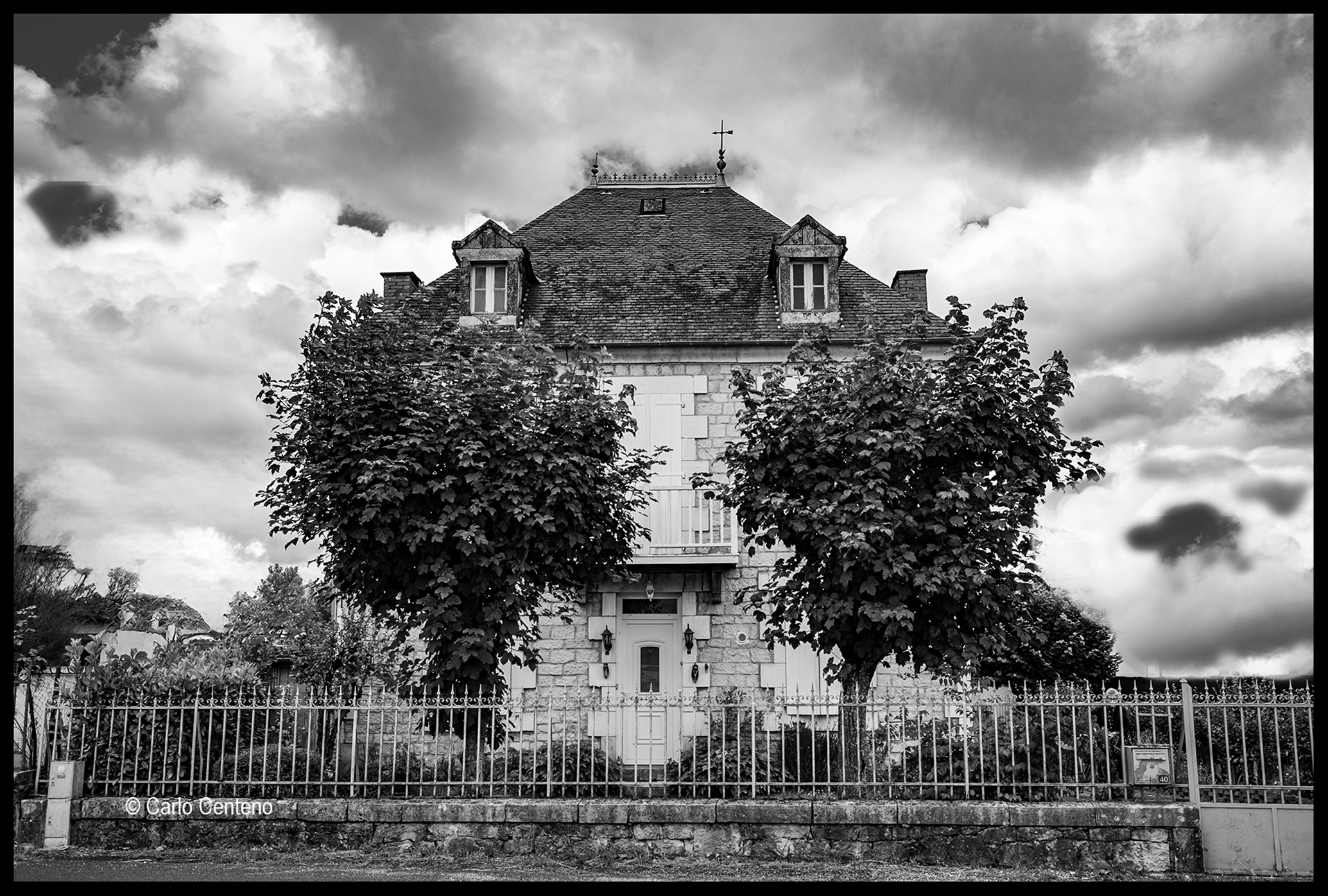
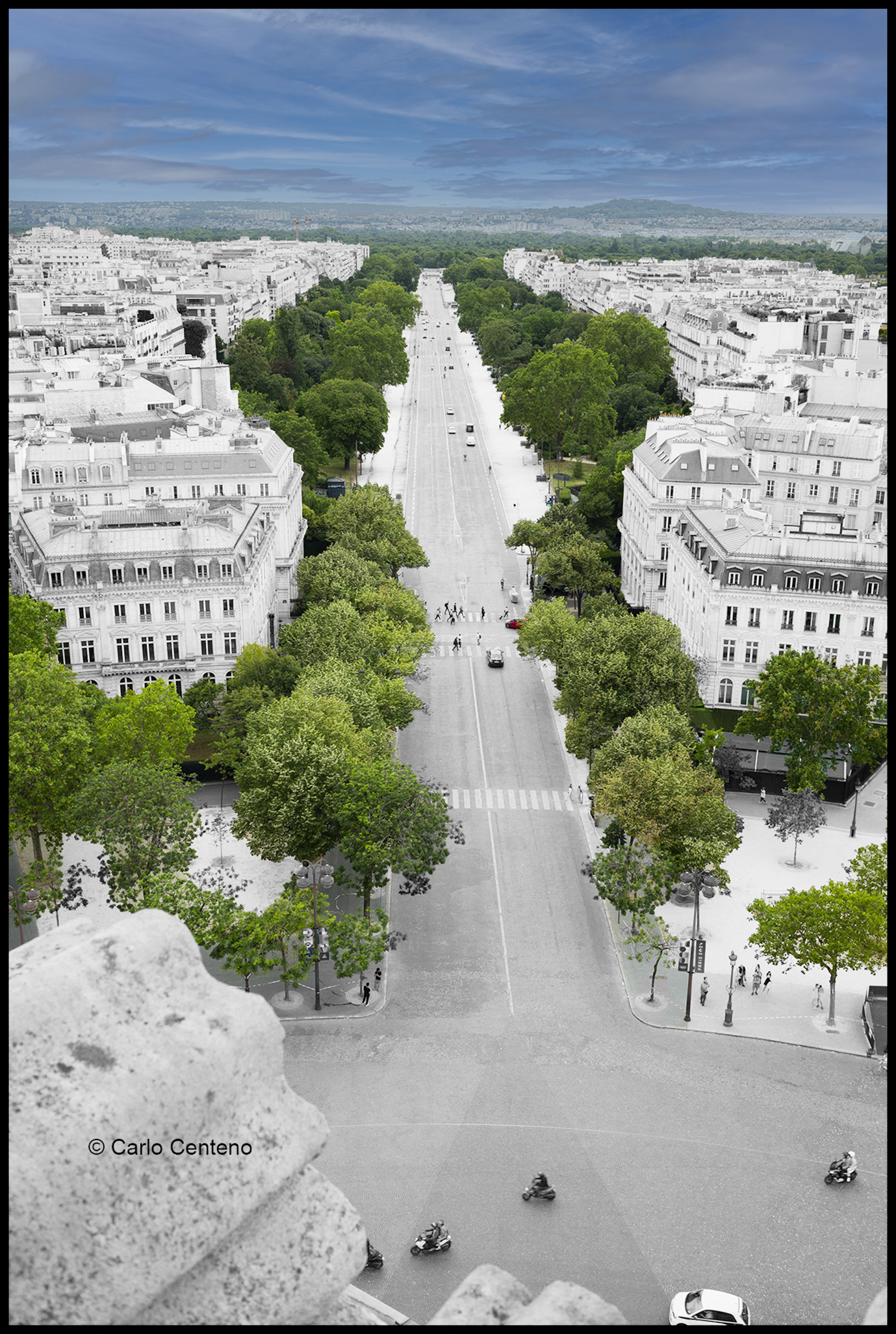
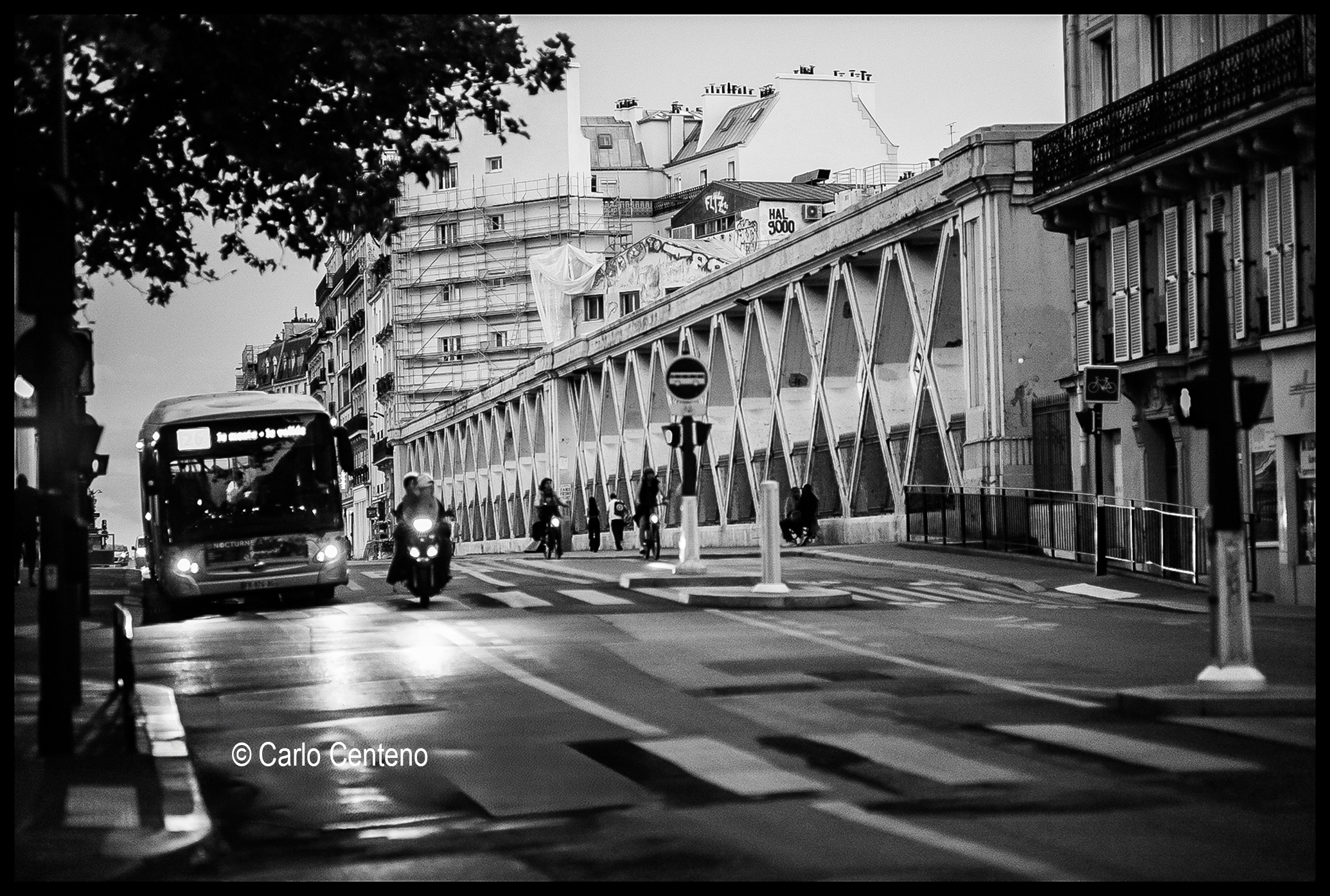
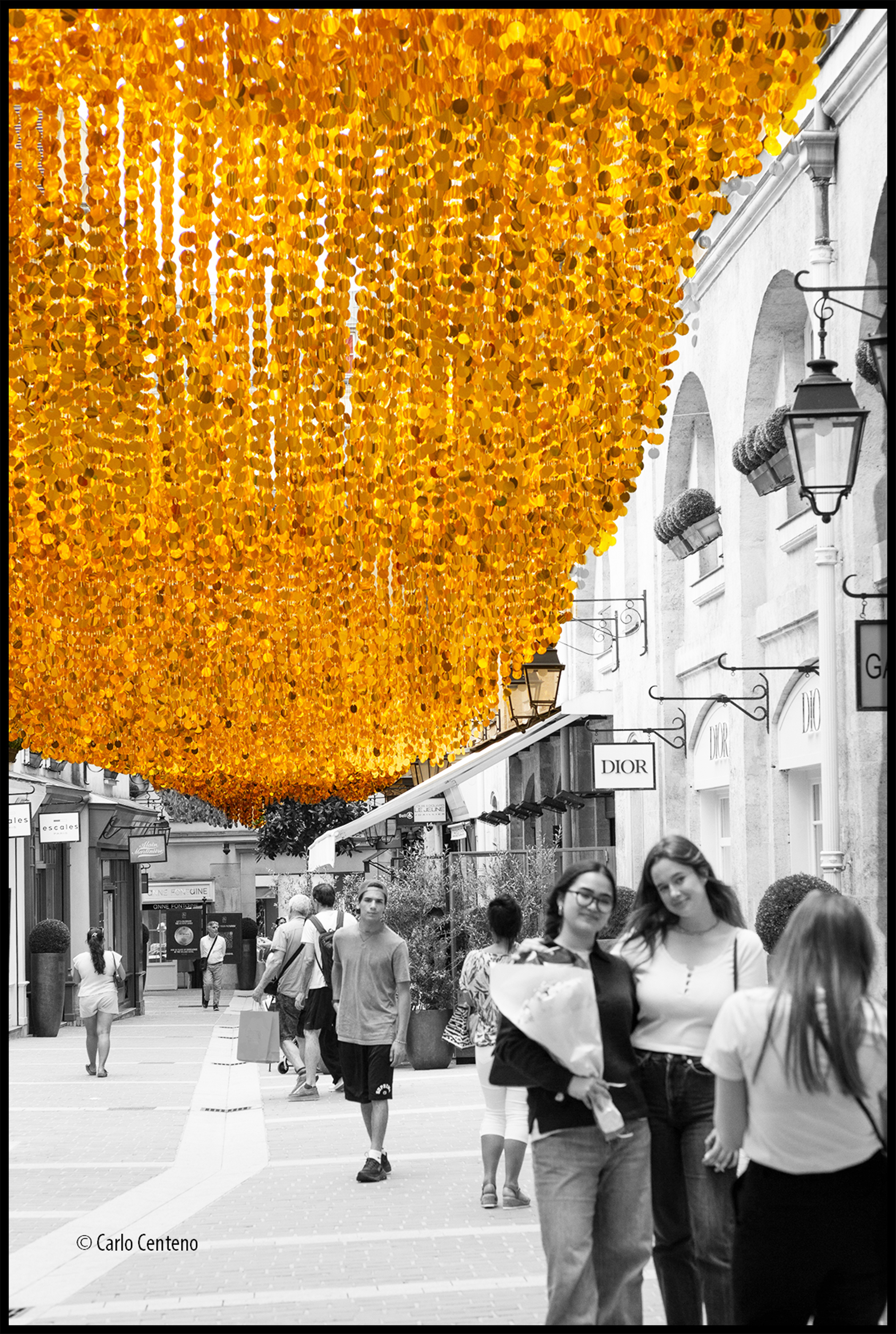
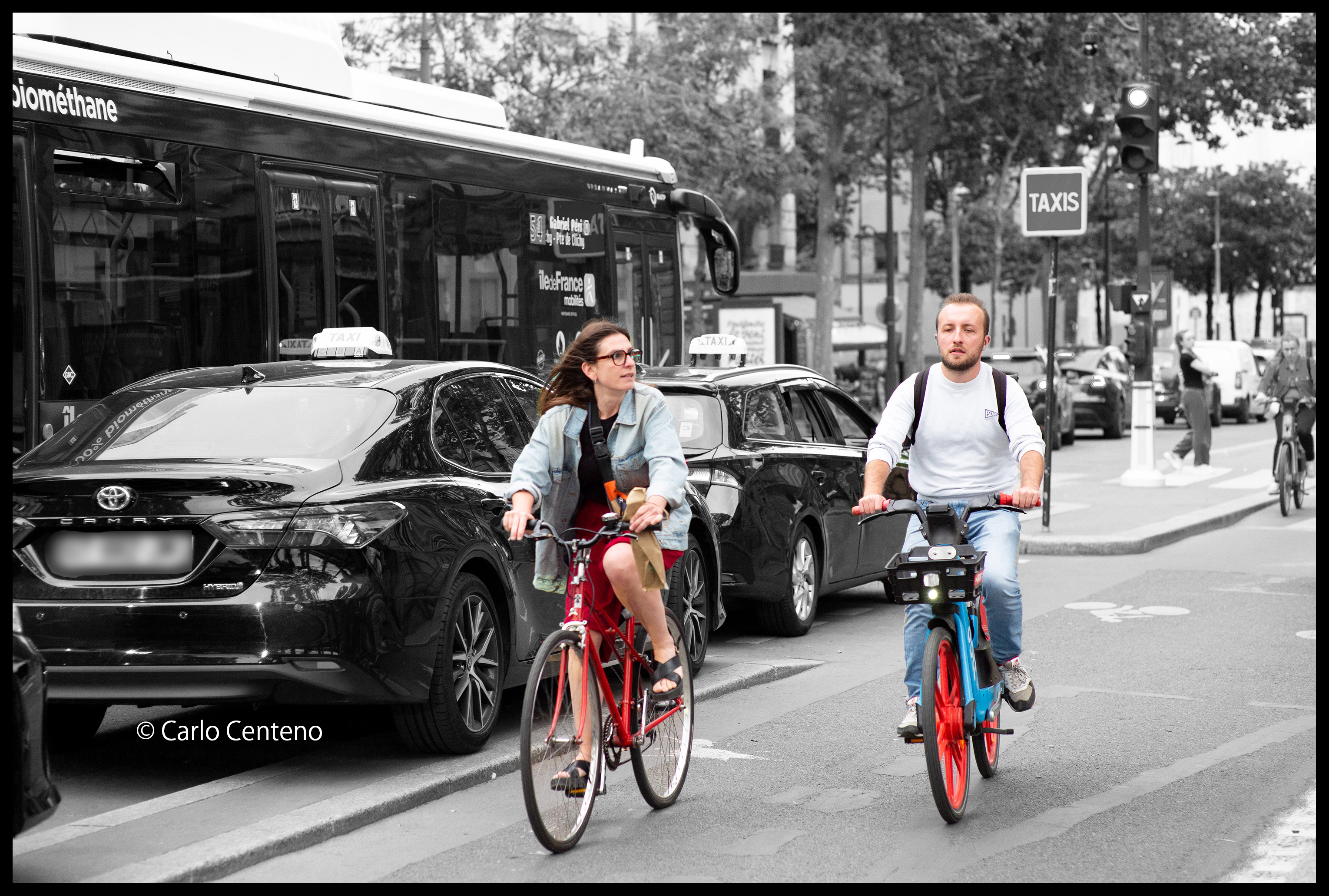
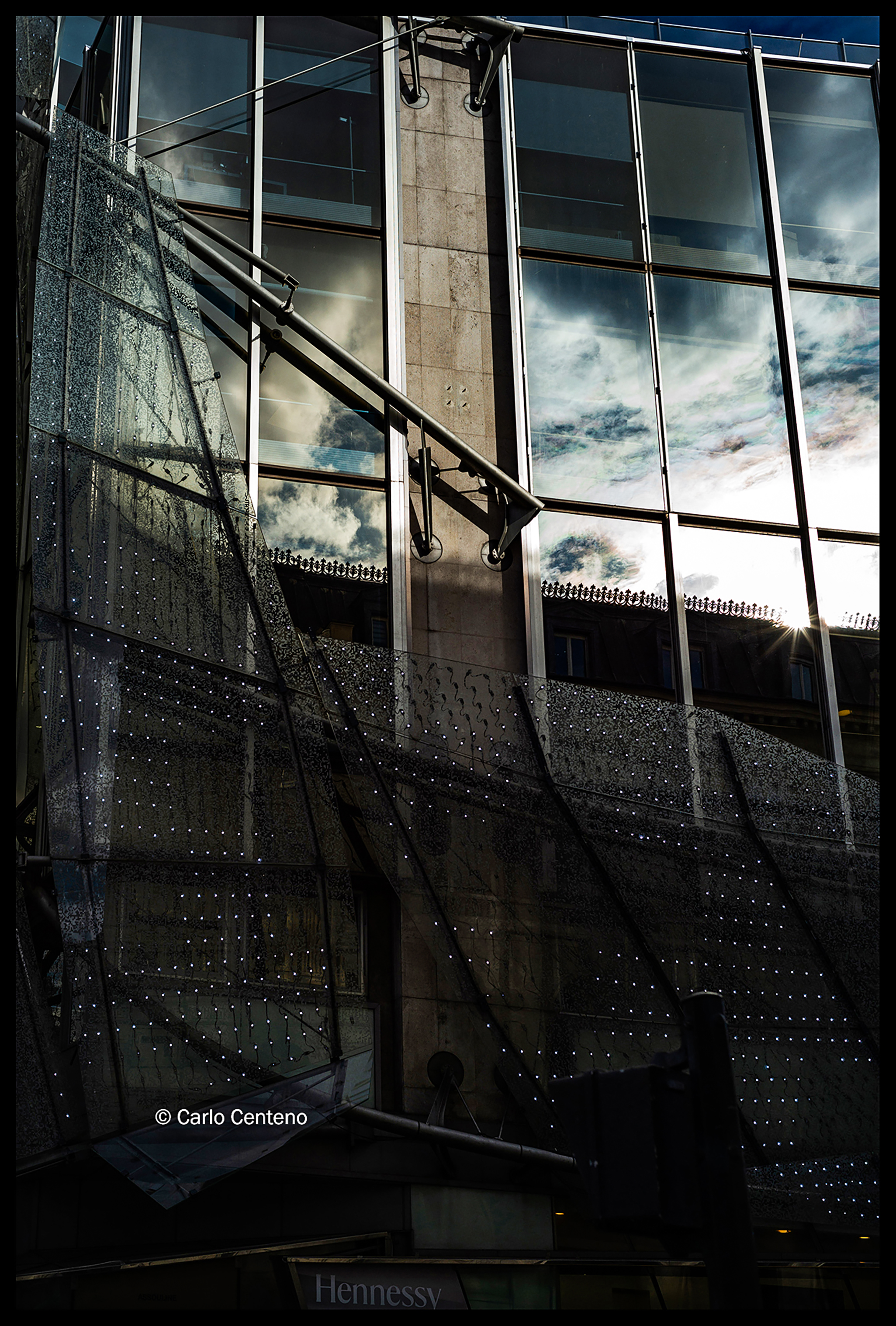
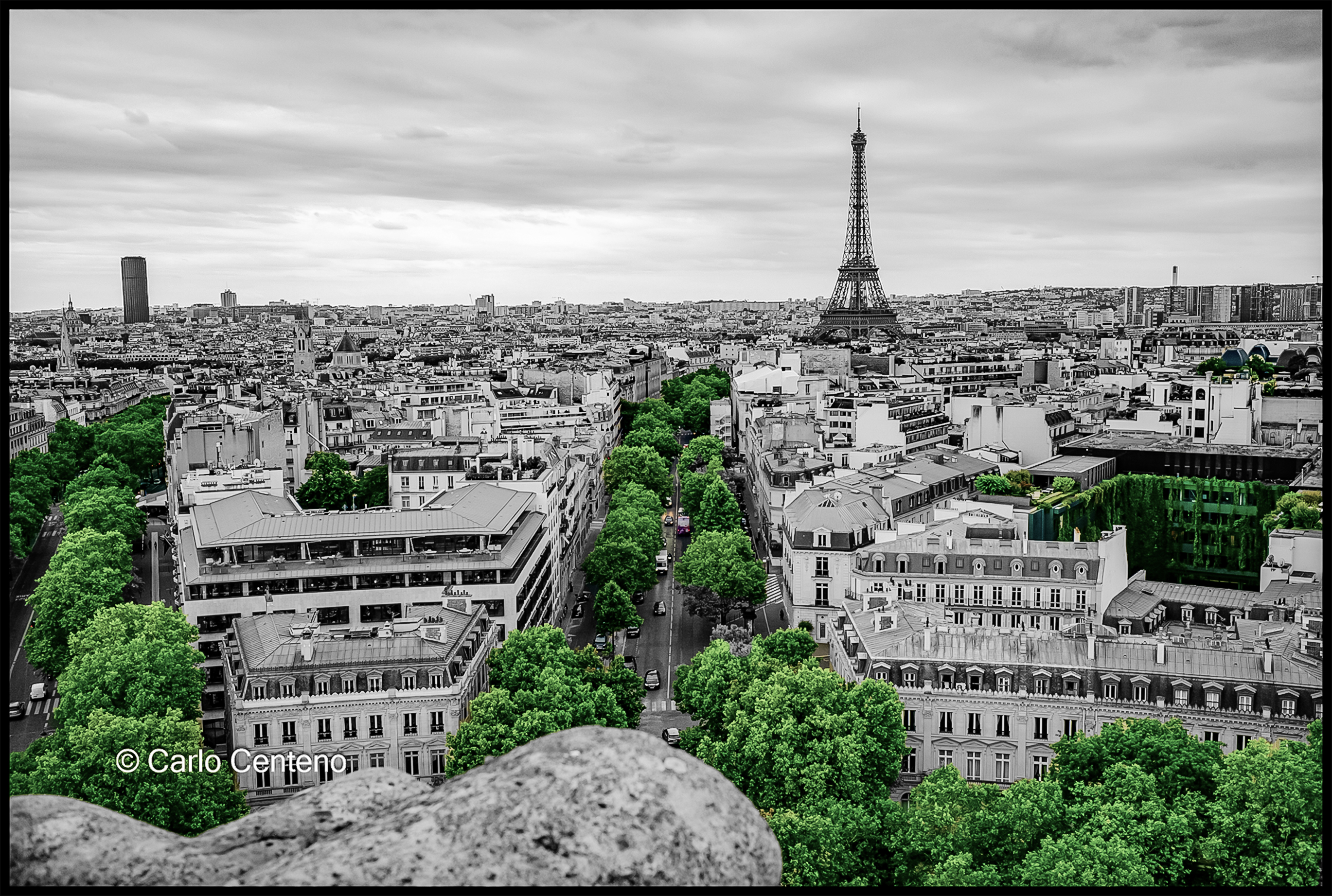
The following images are some of the “frissons” I felt while in France. I enjoyed the “shivers” and enjoy bringing them to life here. Hope you find something to like…..
Back in the day, “soliloquy” was a word associated with theatre. There have been some powerful, mindful soliloquys, many found in English Literature. William Shakespeare and Robert Browning come to mind; the former for his plays, Browning for his poetry.
I find myself tuning into my inner self with soliloquys. These are not conversations to me, but a way to be honest with myself. In the process, I voice [in my head…..not out loud]. the deepest feelings which need to be brought out from the inner sanctum of my soul. These sentiments, perceptions and more, represent a personal unspoken anthology of emotions which remain exclusive to myself. Everyone should try their own form of soliloquy. You become the subject as well as the audience. The orator speaks to the most relevant, but private person in his/her life.
A recent trip to the Massachusetts Museum of Contemporary Art [MassMOCA] located in North Adams, MA is one location that gave an opportunity for reflection and acknowledgement. Come to think of it, most any museum makes a strong location for a soliloquy. Other alternatives abound: a beach, a park, a forest, a solitary space, even a space filled with people. The options are varied, but I do believe, like the soliloquys expressed in plays, poems and so forth, a place relatively quiet proves hospitable to many. A calm atmosphere is a priori given the breadth of one’s soliloquy.
Where ever you stand, and what ever you see, there lies a confluence of provocations that may come to the forefront of your thinking or introspection. The time stamp—from which these thoughts come from—depends on its significance: an early relationship gone awry; a current relationship that seems too good to be true; the unknown realm in choosing one option over another; the challenge of working through options in light of a chronic condition that will not stop let alone disappear. There’s a universe of profound feeling and thinking we can only imagine.
The above photos are from the MassMoCa’s permanent exhibit, The Boiler House. When you walk into the building, you’re visually overwhelmed with the scale and the number of boilers, pipes, connectors and vents that course over the entire space. If there ever was a place that made me feel Lilliputian, this is at the top of my list. The Boiler House is the facility that provided heat to all the space before it became MassMoCa. There are several floors, though I believe only the first 2 are open for visitors.
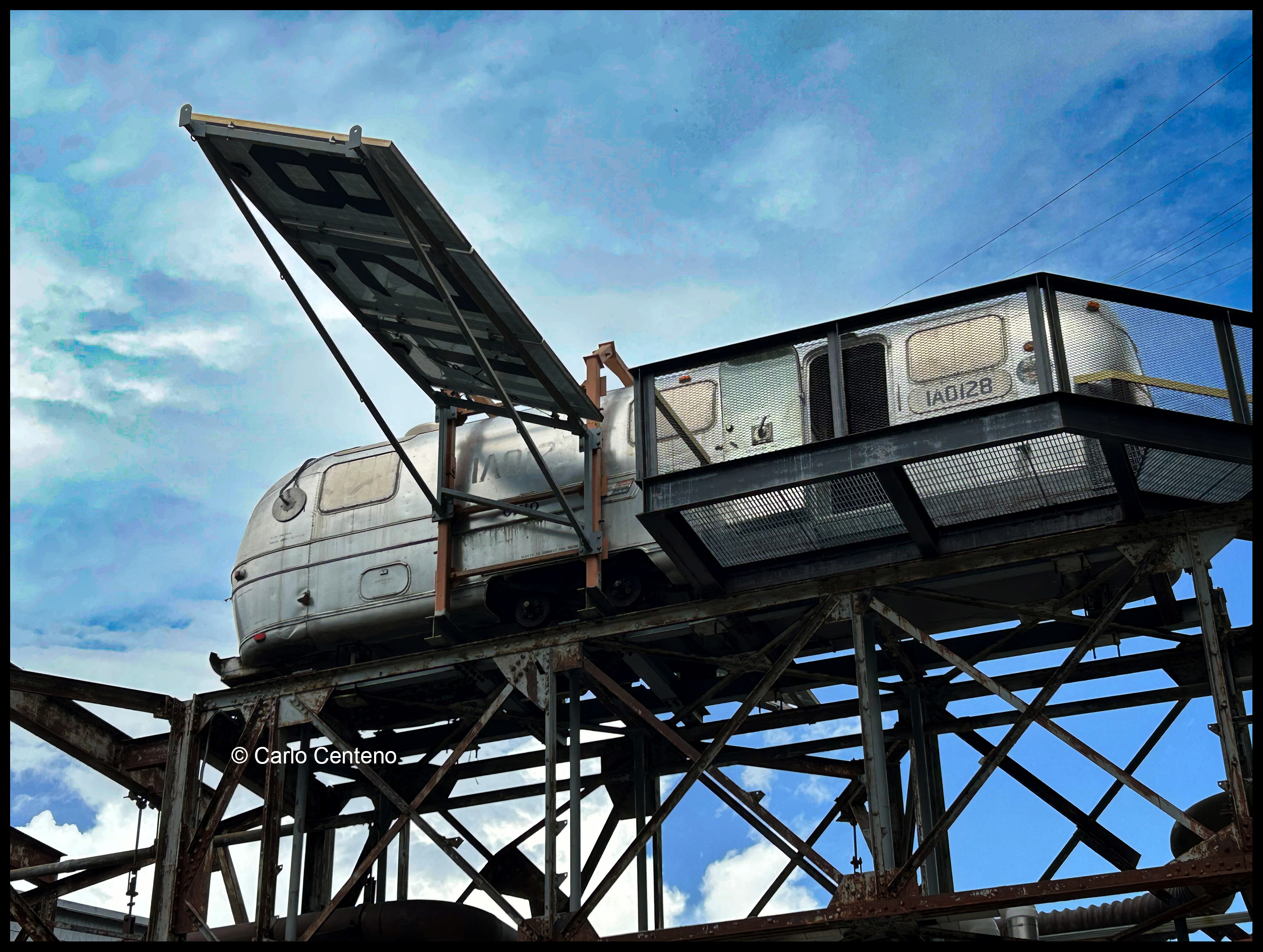
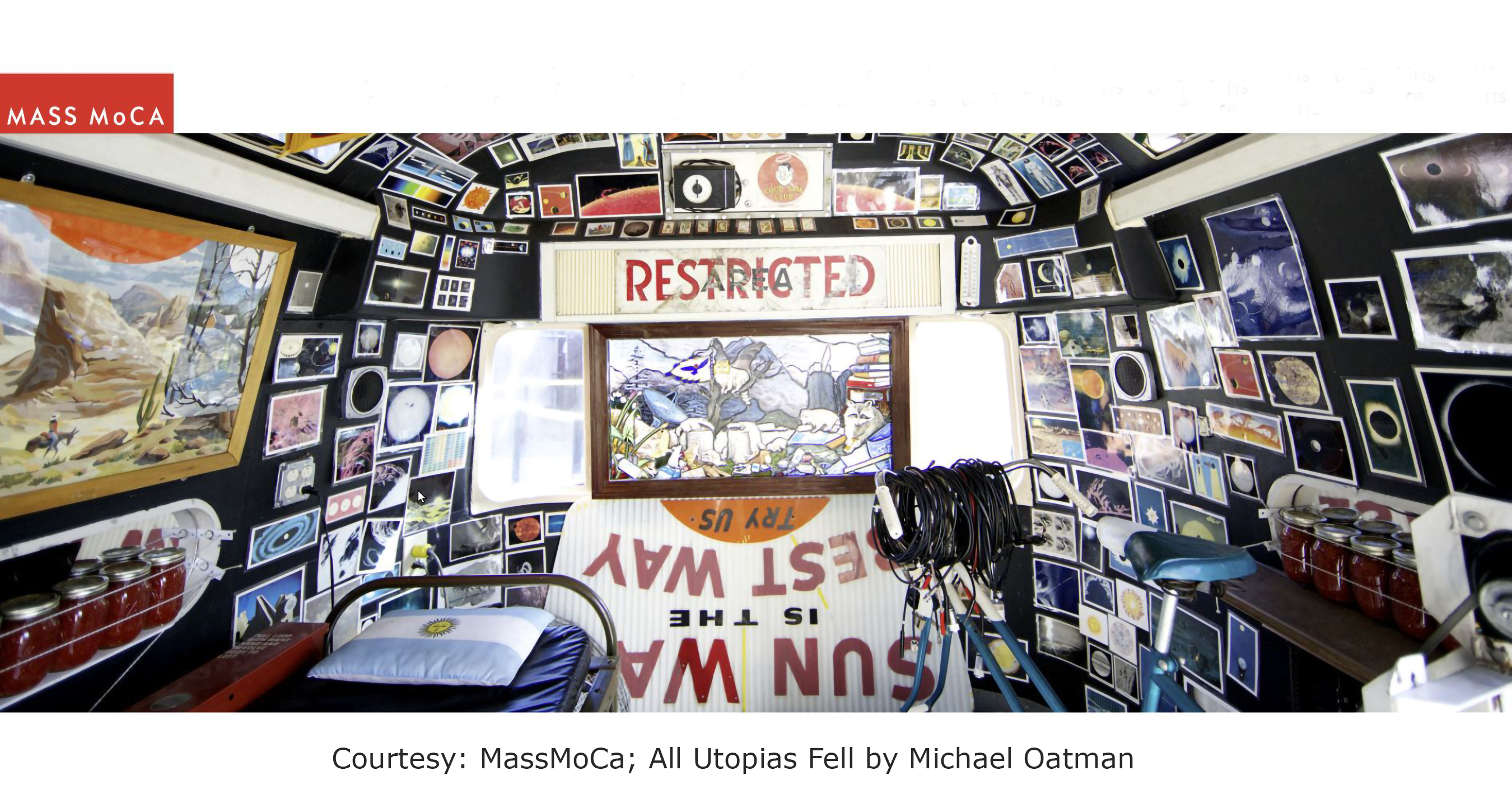
Suspended on tracks next to the Boiler House is an Airstream trailer. A walkway takes you to and from the Airstream to the Boiler House. This is the work of Michael Oatman, entitled “All Utopias Fell.”
A common theme in my soliloquy is this search for order and purpose, or a clarification of both. This is a challenge as I tend to overthink, excessively evaluate one over the other. Upon entering the Airstream, a myriad of visual elements reach out to you. It’s as if each photo, drawing, sign, piece of paper, object and so much more want to make mental impressions on you, as in right now. This is sensory overload and perhaps a metaphor for the soliloquy stirring in your thinking. It’s as if each piece could be a catalyst for a specific thought process. And once that piece or pieces enters your thinking, you start that introspection or make it progress to another level.
There are several “Why this?” and “What ifs?” within the profound, introspective construct of choices and decisions that are created. The certainty of being your own person, unique and unduplicated by any other, is that choices and decisions you make create the questions that begin with “why” or “what.” And while you and others are individuals in that singular sense, the framework of questioning is common for everyone, but ancillary circumstances are bound to differ between people.
Dr. Faustus, the play written by English dramatist Christopher Marlowe, revolves around the angst of Dr. Faustus agreeing to surrender his soul to the devil in exchange for magical powers. His soliloquy in the last hour before that exchange, is one which poses questions and conditions had the choices Dr. Faustus made were different. Once made, the commitment is binding, non-negotiable. There are no pause, stop or rewind buttons in life.
Shakespeare’s Hamlet is the quintessential soliloquy in my opinion. With new realities [and previous uncertainties] playing out today, themes of life & death, the meaning of our purpose and existence, mortality and vengeance are wonderfully distilled into words that examines all that can detract or enhance our existence.
I came across the last photo as I finished my visit to the Boiler House. It dawned on me that this effigy is a personification of someone covered with details that make up her/his soliloquy.
I’ll admit that it can take a lot out of you when winter conditions pin indicators below the norm [temperature, wind chill], or above the line [accumulation and severity of snow/freezing rain/sleet]. By February, a good number of folks are pining for—some hoping through a telekinetic event—the arrival of spring. Yet in spite of our incongruous sentiments about winter, its been said that residents of Scandinavian countries can make the best of it. Perhaps their overall acceptance of this perennial cold, snow and short days has something to do with the their countries having “the happiest people in the world.” Is there an attitude, a perception that we’re altogether missing? Warmer clothing compared to ours?
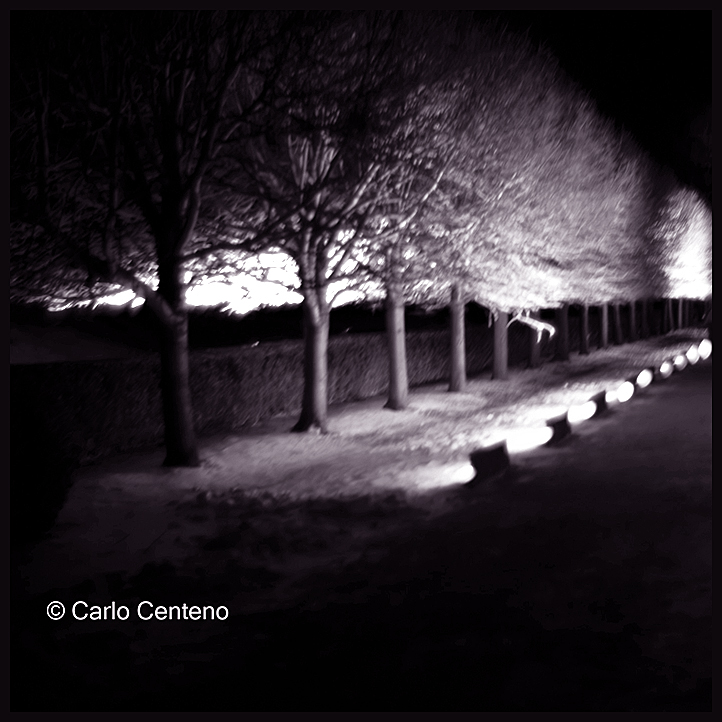
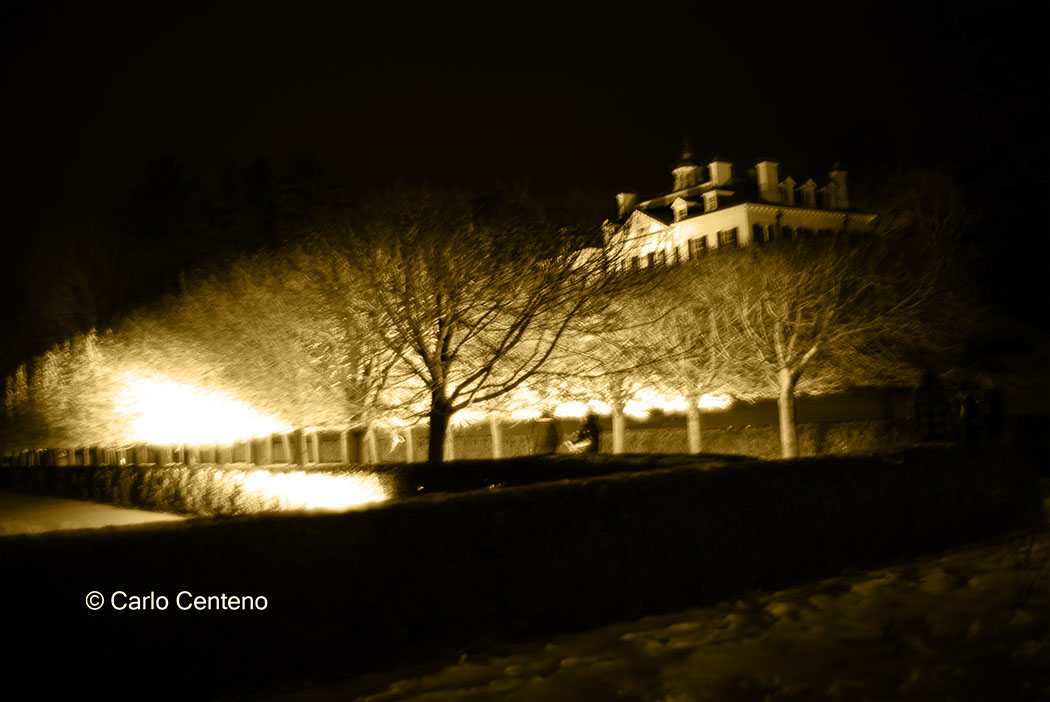
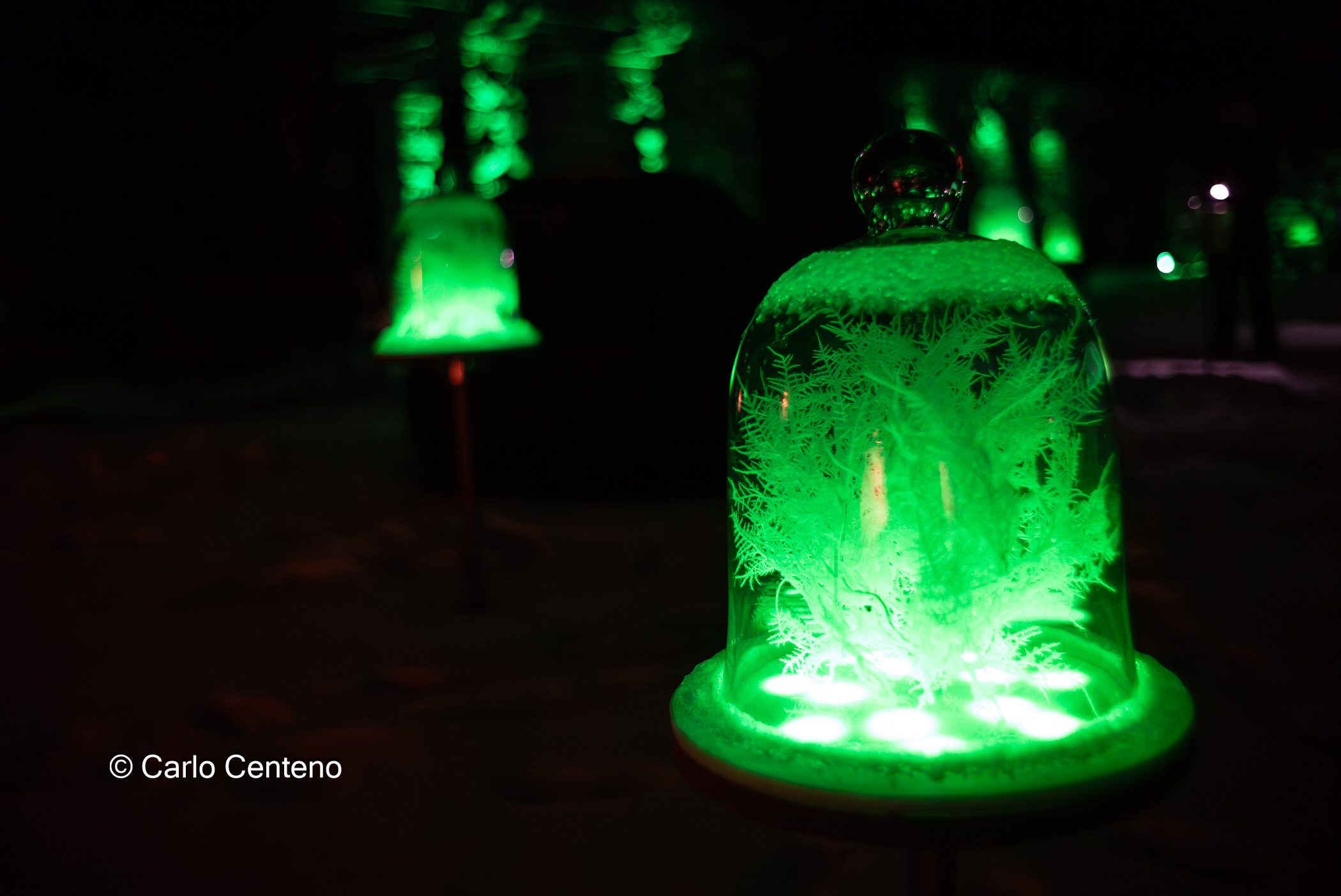
We’ve [me and my wife, MJ] made treks to the Berkshires all year long with additional stops during winter. Some of these stops included special outdoor exhibits of which 2 come to mind: The Mount, Edith Wharton’s home, and also at Naumkeag Estate. The photos posted here are from Nightwood, and it was a wonderful stroll along the garden pathways and woods at The Mount.
Appropriate winter clothing makes a big difference; it does get colder in the Berkshires. Key details: wool sweaters, base layers, even hand warmers. Along a mile-long path cutting through the woods and gardens, the exhibits appear like waypoints on a map. Each installation carries its own interpretation of light, while an original music composition aurally ties everything together.
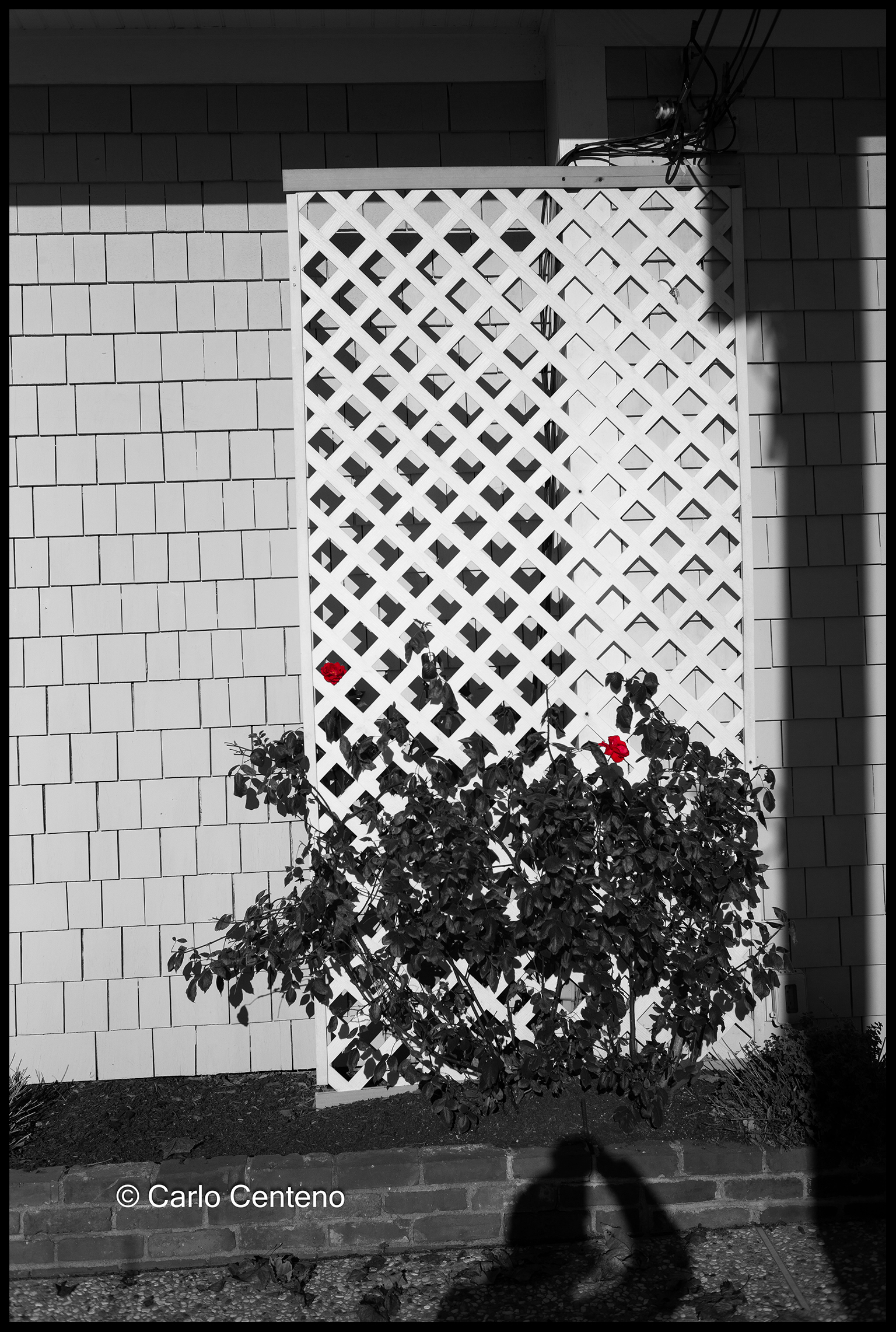
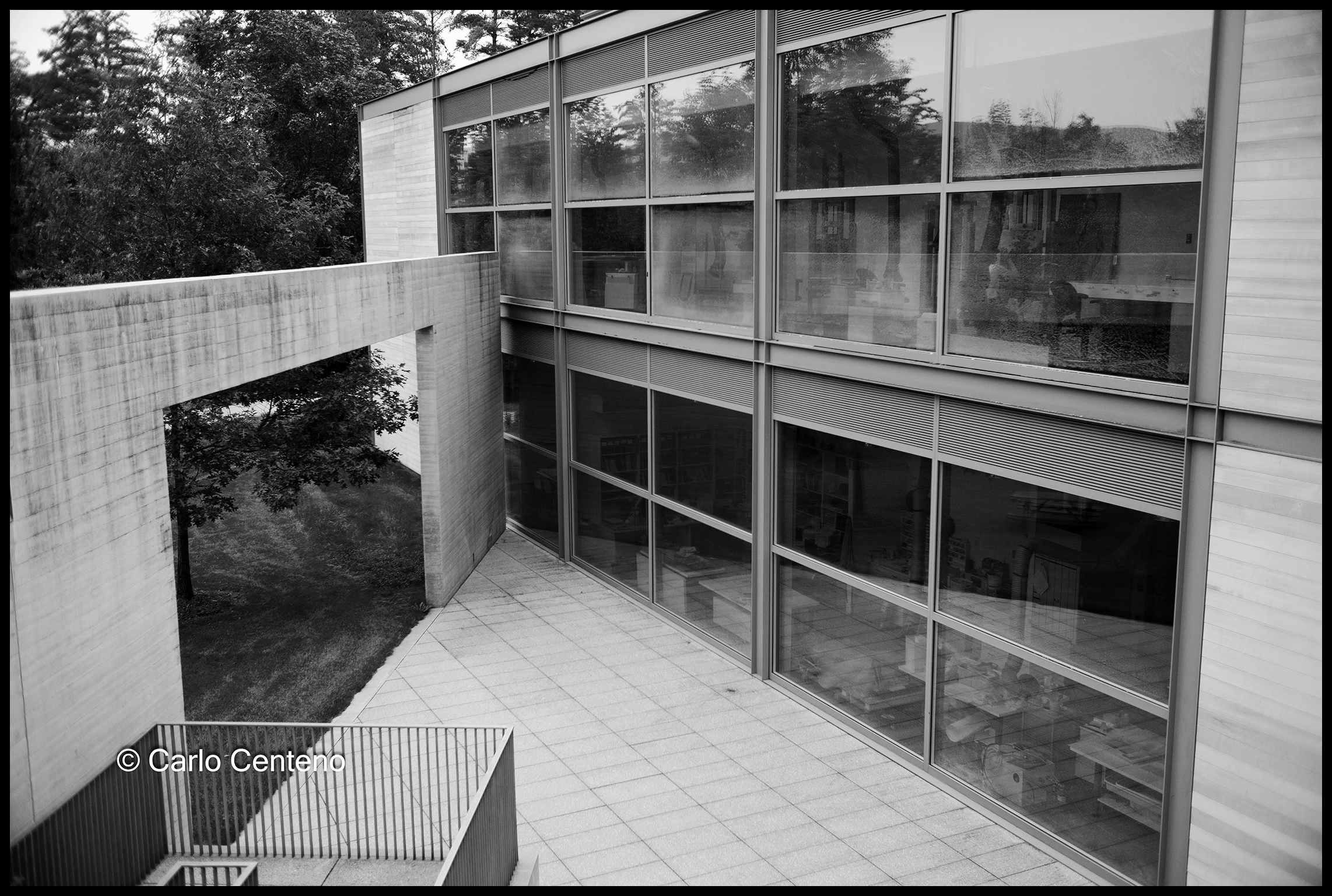
My interpretation of The Mount exhibit centered around the intensity of each installation, vis-a-vis the light itself. Using B&W images had provided [for me] a key, old-school tenet of imagery: simplicity allows interaction between the visitor, and the subject at hand. Put another way, monochromatic images transcend continuity. Color images offer validation to what we see because we readily see color. Yet color can be distracting. Not a slight, but just a matter of fact.
For me, I’m drawn to B&W images because of its tonal consistency. Black & white does not have the influence of color, and yet allows me to see the entire image and all its nuances.
I, along with others like color images , but there are times when color feels more like a distraction. A single color that’s part of a smaller detail is enough to pull you away from the whole and down into a rabbit’s hole. Still, B&W does have a way of binding together the elements that make up the photograph, all within the inimitable, ever valid black & white palette.
It’s been said that everything you needed to learn and know in order to get through a day was taught in kindergarten. That was the early-in-life primer, essentially a course in fundamentals: polite behavior, expressions of gratitude, common courtesy and common sense in all things you say and act upon. Some life lessons around loyalty, unconditional love, patience, trust, kindness–among others–were influenced by my dog, Humphrey. Naturally, various experiences with family, teachers/professors and good friends added to that mix as well, as well it should.
Humphrey
Humphrey was a miniature cockapoo, but there was nothing small in his character or demeanor. Simply put, he acted like he was the biggest, baddest, dog east of the Mississippi. He possessed a radar that had a way of measuring and reading the nature of most grown ups, and of course other four-legged creatures [read: neighborhood dogs he didn’t quite like]. I’ve heard it said that the size of the dog doesn’t matter as much as the size of its heart. And that little guy had a huge heart. Children were another story. He was comfortable around them. Humphrey was just as curious about kids, as the kids were with this little guy. Throughout his life, many thought Humphrey to be a puppy. In a sense he was that in many ways.
Our winter dress code.
It makes sense to me that the weight and burden of grief that comes from the loss of a pet correlates to the amount and type of affection you gave the pet, and vice versa. Reciprocity at its finest. Quite frankly, that equation is the same for family, significant others and close friends. When you truly care about someone or something, you give it your all, certainly your heart and soul as a minimum. MJ and I support each other in all of this. She did, indeed, have a big part in Humphrey’s life, as did our kids and grandkids. Those connections or bonds don’t disappear at death. Not surprisingly, we had thought about ways to extend Humphrey’s life, perhaps just a bit more care or special intervention would’ve helped, but time waits for no one. Second thoughts arose wondering if any intervention for Humphrey could still help him. I think part of understanding what love is revolves around one’s willingness to let go. We’d like to think that as the end drew closer, that that pup knew he added so much to our days, and vice versa. Life lessons arrive from many points. From the smallest of vignettes to those large and complex, there’s something one can glean from experience and interaction.
Two happy, ol’ dogs…
Not surprisingly, other events or milestones reach out and overwhelm us, including one in particular. About a week after Humphrey died, one of our daughters and her husband added to the number of grandchildren. Their second child–and our fifth grandchild–was a welcome sight!
Welcome, dear grandson…!
He was the salve to our sadness. The sounds and expressions of loss and affirmation differ. Death and grief are shadowed by life, not the other way around. That new baby dampened down some of the grief we’ve been carrying. The creation and arrival of a new life, affirms the reality that dying and being born are conditions each of us cannot deny. With one, comes the other.
Fate added another exclamation point to all of this. Just before the end of March, MJ’s sister suddenly passed away from heart failure made more complex by cancer. And just like that, death set us back yet again. Nostalgia, sadness, regret and second guessing returned in force. No sooner than when the new baby arrived home, MJ and I were thinking about an obituary and a funeral to attend in short order.
In all of this, I’m reminded of what MJ’s mom said about the passing away of loved ones: remember them on their birthdays, not just on the day they died. That notion has stuck by us for quite awhile now. With birthdays come celebrations, the gathering of family and friends, and an opportunity to reconnect with good times and the people who are and were a part of that. To auld lang syne, to “times that have gone by.” We can think of any number of experiences that raised a smile, a laugh, a few tears, but don’t mistake this as longing or living in the past. It’s really a time to be in the moment, a key one at that, to share recollections with those in attendance and in doing so, our connections to each other are again [or for the first time!] affirmed.
My take on all that’s happened is that our willingness to interact with each other can never be replaced with the efficiency of Facetime, Zoom Meetings, teleconferencing and any other present-day digital communication. The attributes of efficiency cannot separate us from emotions and empathy. There are lessons woven into experiences that can be shared, indeed as some should anyway. It’s what makes each of us a wholly unique, sentient being.
The peaks and valleys this past March, made clear that we need to nurture our connections to family and friends, to dogs and cats and pets, and to others outside our zones of comfort. Good or bad, joyful or sad, the confluence of your feelings shared with others enhances many of life’s lessons…
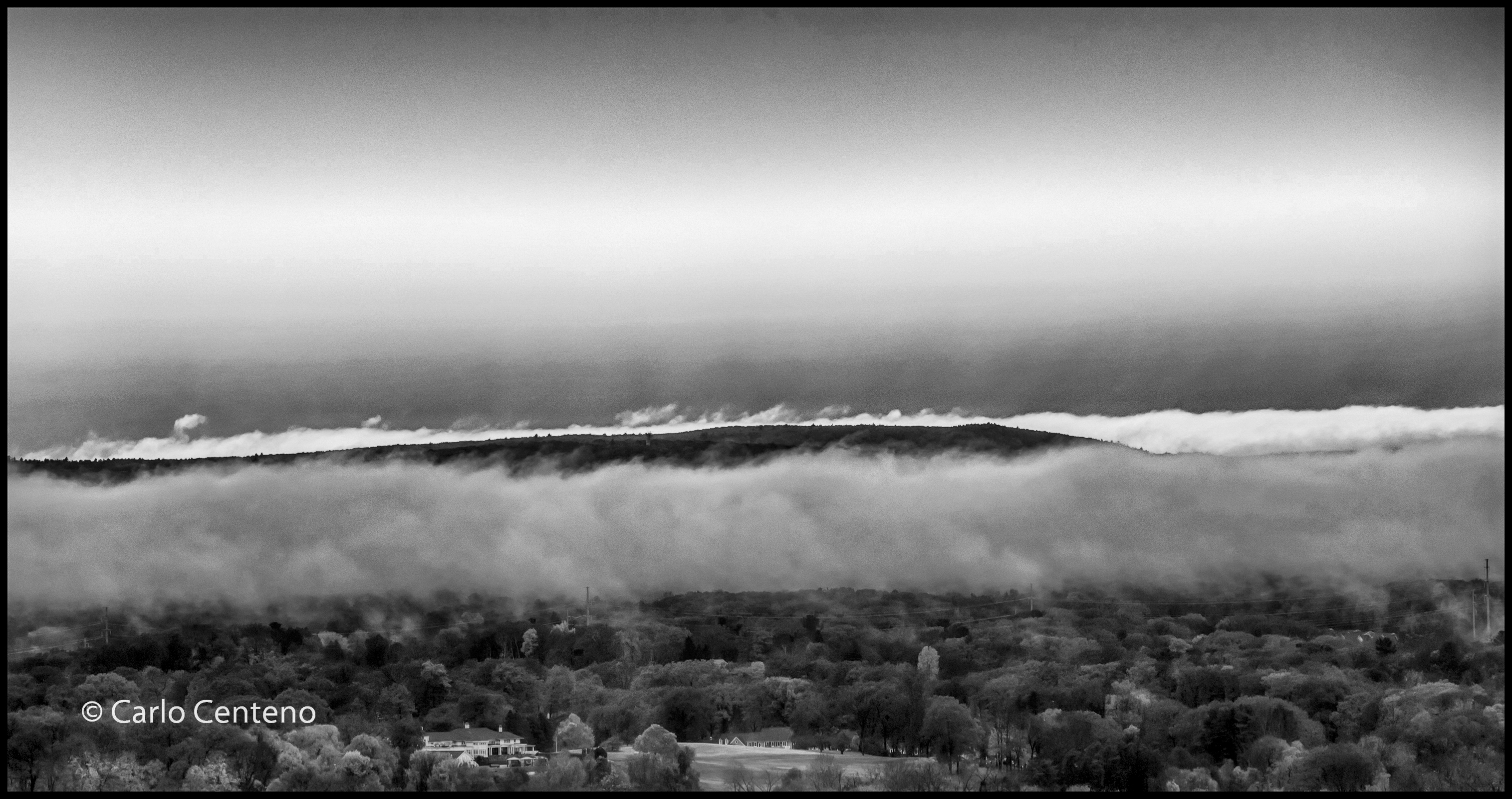
This is the view from my office. Because this window faces north, changes in weather often come this way, and today was no exception. A front was slowly moving through bringing with it some drizzle if not showers and a pinch of wet snow for good measure. I go through some days feeling creatively barren, as if covered with a fog. My brain cannot keep focus of what’s important, nor can it generate a spark of an idea. I’d welcome a nugget of thought that morphs into a theme, a sentence, a paragraph and even a photograph.
When that kind of fog moves in, I used to double down on my brain as if I could purposefully, indeed consciously command by merely thinking, “I need something to work with here! Get it off the ground.” A couple mugs of green tea or coffee later, nothing appears on my creative radar. And so I apply a way of thinking and visualizing to help reveal something/anything beneath that fog. I imagine what’s lying beneath not only my creative fog, but the cloak draped outside my window. Somehow the symbiosis of such processing helps clear my brain fog. It doesn’t reveal something monumental; it’s not a Eureka! moment at all. Some real right-brain elbow juice comes into play. I’m from the school that believes there’s no such thing as a “dumb idea or answer.” Possibilities abound depending on your attitude.
The transition time varies, sometimes in an hour, other times a day or 2 later. I suppose other efforts have probably taken longer to render that creative crumb-of-an idea or concept. If I knew how to sketch, perhaps it would be easier and at times faster to arrive at the idea. However, it’s just the way this person works. Not very exciting. The excitement–if you can call it that–is more a feeling of relief and satisfaction.
Whether I’m looking at a blank sheet of paper, a clean page in my journal or through a camera viewfinder [yes, very old school this guy], I sometimes think of Occam’s razor, a philosophy that states when troubled with competing solutions or ideas for a desired outcome, often the simplest version is the very solution that makes sense.
Marketers and consumers share an underlying condition that produces second-guesses to decisions and even behaviors. In the realm of behaviorists, psychologists and therapists, this is often referred to as, cognitive dissonance. Though the condition is often used in psychology/psychiatry, the right-brainers in marketing can take certain liberties in applying the essence of its definition to feelings and behaviors in our consumption-driven economy. What shapes your decisions and expectations when you buy something, work on a project or to make a single decision at a given time? What influences your “…on second thought, I better…?”
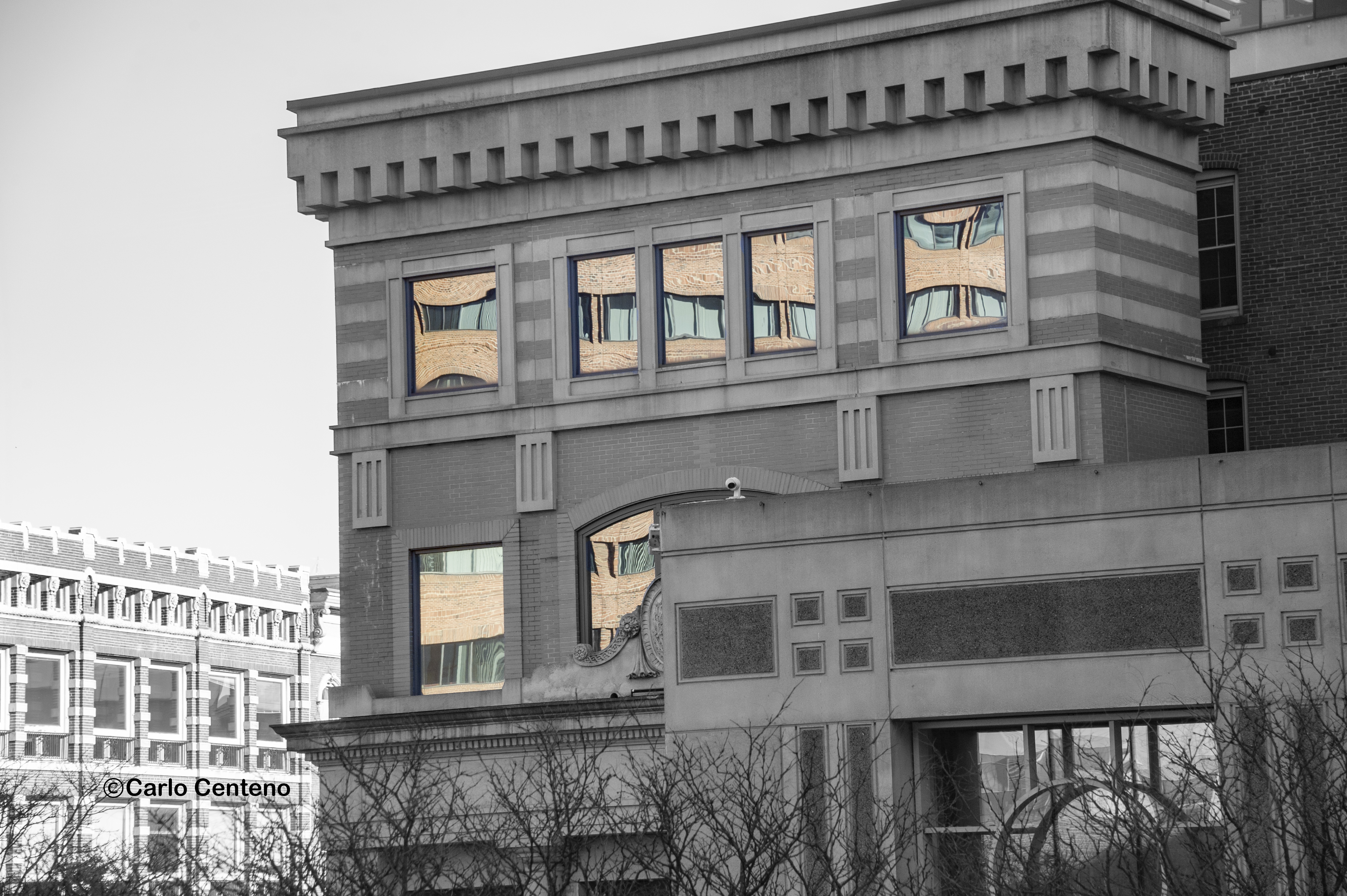
As I’ve noted in previous posts about marketing, it’s not what you’re actually receiving, but what you think you’re getting. This is a stretch, but at times I think some marketing is a form of trompe l’oeil. Are the cluster of lights actually on the bare trees?
Like a product attribute [example: price equates to exclusivity…though it can certainly suggest something else]. Do the light projections draw your attention? Or do you first see the small cluster of lamps in the lower left? Are the lamps somewhere near the building? Or suspended close to it? Clearly direct sunlight is apparent on the face of the building. Which light source peaks your curiosity?
There are numerous examples of classic trompe l’oeil art such as the one painted by Sameul Dirksz van Hoogstraten entitled, Still-Life. It’s a timeless piece, one that can feel more contemporary than its 360- year age might suggest.
courtesy: ARt and Object commons Still-Life, 1664 by Dutch painter Samuel Dirksz van Hoogstraten
Marketing can, indeed, fool your eye. The pima cotton sweater I saw in a catalog looked like a keeper….until I tried it on. Fortunately, returns are the norm for many online purchases.
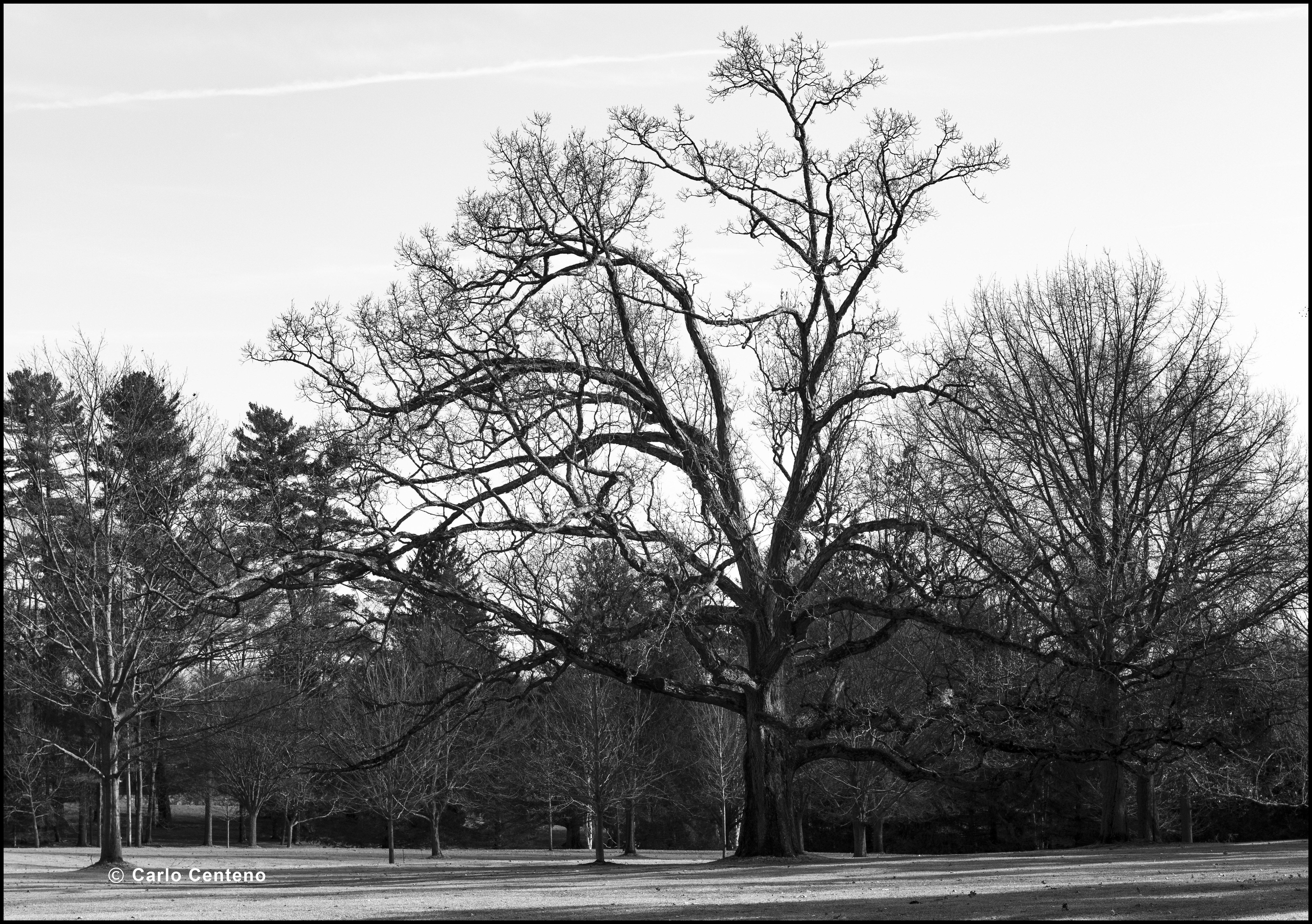
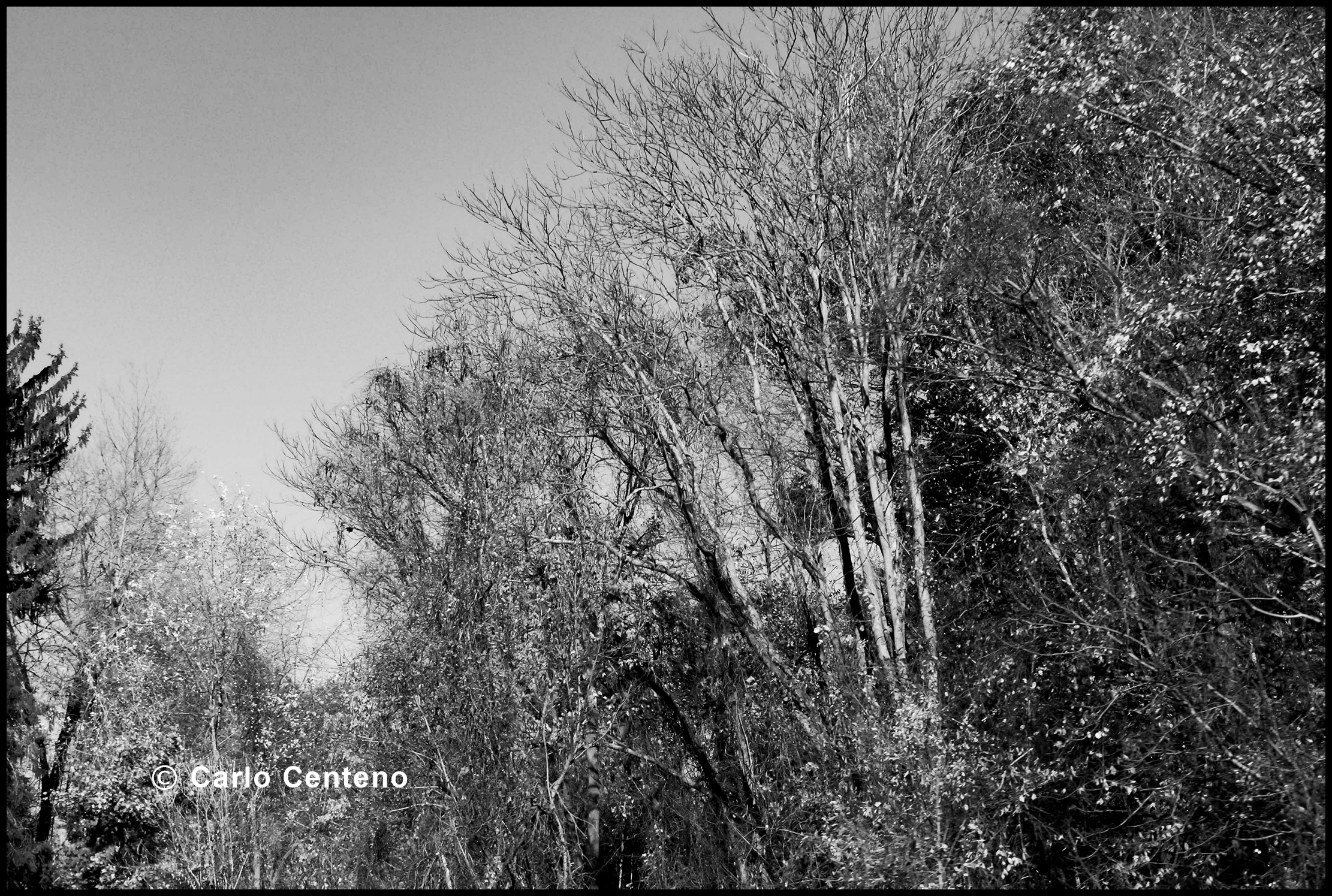
The changing seasons has a way of rebooting my perspectives on life’s moving parts. It’s also an opportunity for me to find, even create, connections that could lead me to alternate choices about work and family, problems and challenges, as well as my own professional and personal goals. The fall suggests possibilities with a palette of colors where each one suggests a sentiment to whatever I’m feeling or thinking. More often than not, I make one, perhaps 2 attachments of color to an idea, an attitude, or even a condition that’s been entrenched in a mood of some sort which I cannot correlate or let go of. However, when the maples, birch, oaks and other trees reveal their once covered limbs, I see a “wireframe” ready for a season of open air, of white space and a period of quiet and rest. Once again, it’s a reboot of sorts given the visual clues of autumn.
From a distance these bare trees take on an innocuous albeit familiar appearance. You realize that these wireframes silhouetted against a grey forest floor or an overcast sky has the potential to stimulate your way of visualizing beyond the obvious and the rote. Late fall and bare trees are midwives to modified or new byways to thinking and feeling.
Such possibilities make bare trees special. True, this past autumn the colors were fantastic, vibrant, even spectacular, more so than years past as far as I can tell. That festival of color has its own cathartic energy. Compared to just a few weeks ago, these now dormant, quiet trees are a type of dopamine, a suitable follow-on for my busy “monkey-mind.” There’s a levity and sense of calm with bare trees that’s akin to starting anew and refreshed. The trees are steadfast and immobile and yet there’s a fluid-like form that draws your attention. And because you can see between the branches, openings of various shapes and dimensions become apparent. That white space becomes a cocoon for imagination and emotion, of things improbable that feel possible if only in theoretical form. What can you jettison from your mind into those spaces now in front of you? There are things each of us can let go of.
Many of the trees are straight up and down although the oaks and maples have a grace manifested by the sweeping reach of higher branches. The silhouette of these branches appear as arms with a soft curve, its ends like fingers gently reaching for the sky.
Late fall and bare trees are markers of change. In its most obvious forms, it means shorter days, cooler temperatures, fantastic light and shadow and a time change. The latter is likely the least wanted change this time of year. And yet the markers also remind us that still more change is to come. Some welcome winter [like me] and others can’t wait for spring. In a personal way bare trees are anthropomorphic. They go through cycles of change just as we do with our life stages. And as in life, some of the bare trees will remain so in the months ahead. Just as some of us will, our own thoughts and feelings leaving our physical selves. Bare trees can mirror our own life qualities season to season. Or maybe it’s the other way around; after all, trees have long existed before we arrived.
The most dedicated, most creative, most influential.
It’s fair to say that the Berkshires has a depth of culture, arts, eateries, education, health care, outdoor activities, community outreach and more, that can be as strong as other like-minded communities. The diversity of such offerings is all-encompassing and that’s clearly reflected in this year’s Berkshire 25. This is Berkshire Magazine’s annual selection of 25 individuals who have made life here feel more special, complete and worthwhile. That may seem like an exaggeration, but that’s due to the contributions from folks like the Berkshire 25 that make the region “the most beautiful place to live.”
Examine the roster of recipients. Their talents, soft skills, areas of expertise and so forth are as varied and diverse as the individuals themselves.
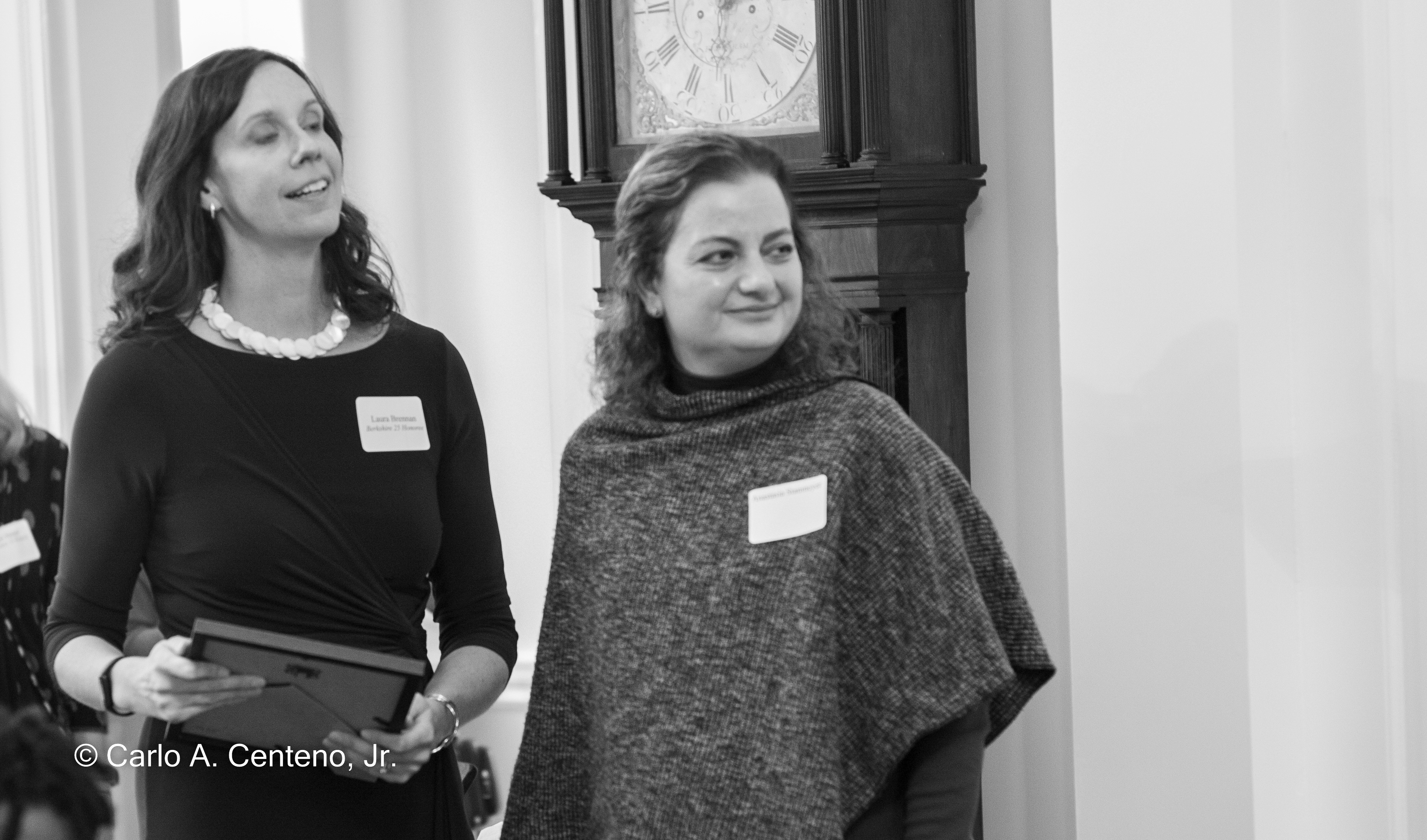
Honoree Ms. Laura Brennan [L] with editor-in-chief, Ms. Anastasia Stanmeyer
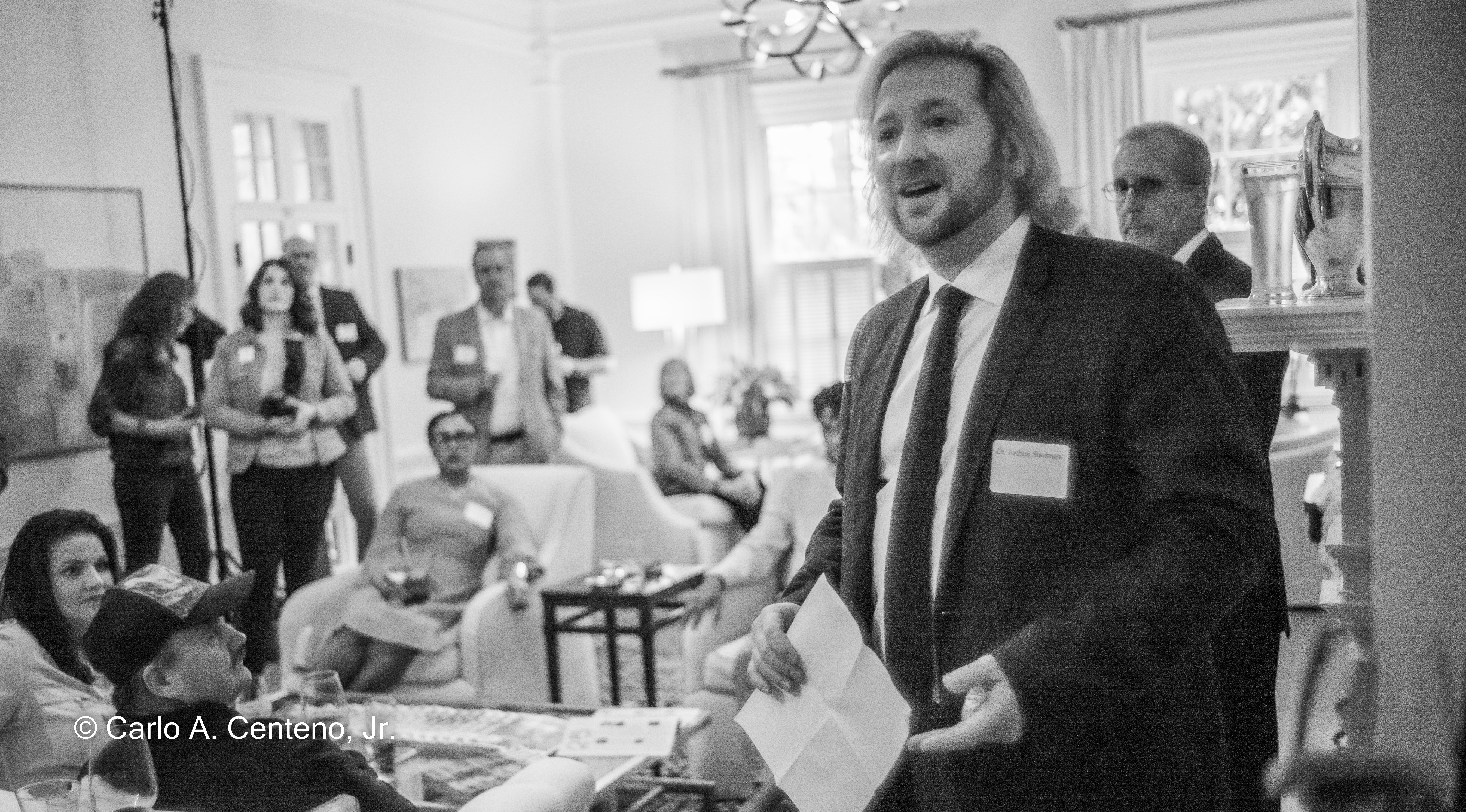
Ms. Maud Mandel, PhD, president of Williams College [below], graciously opened her home to host the event.
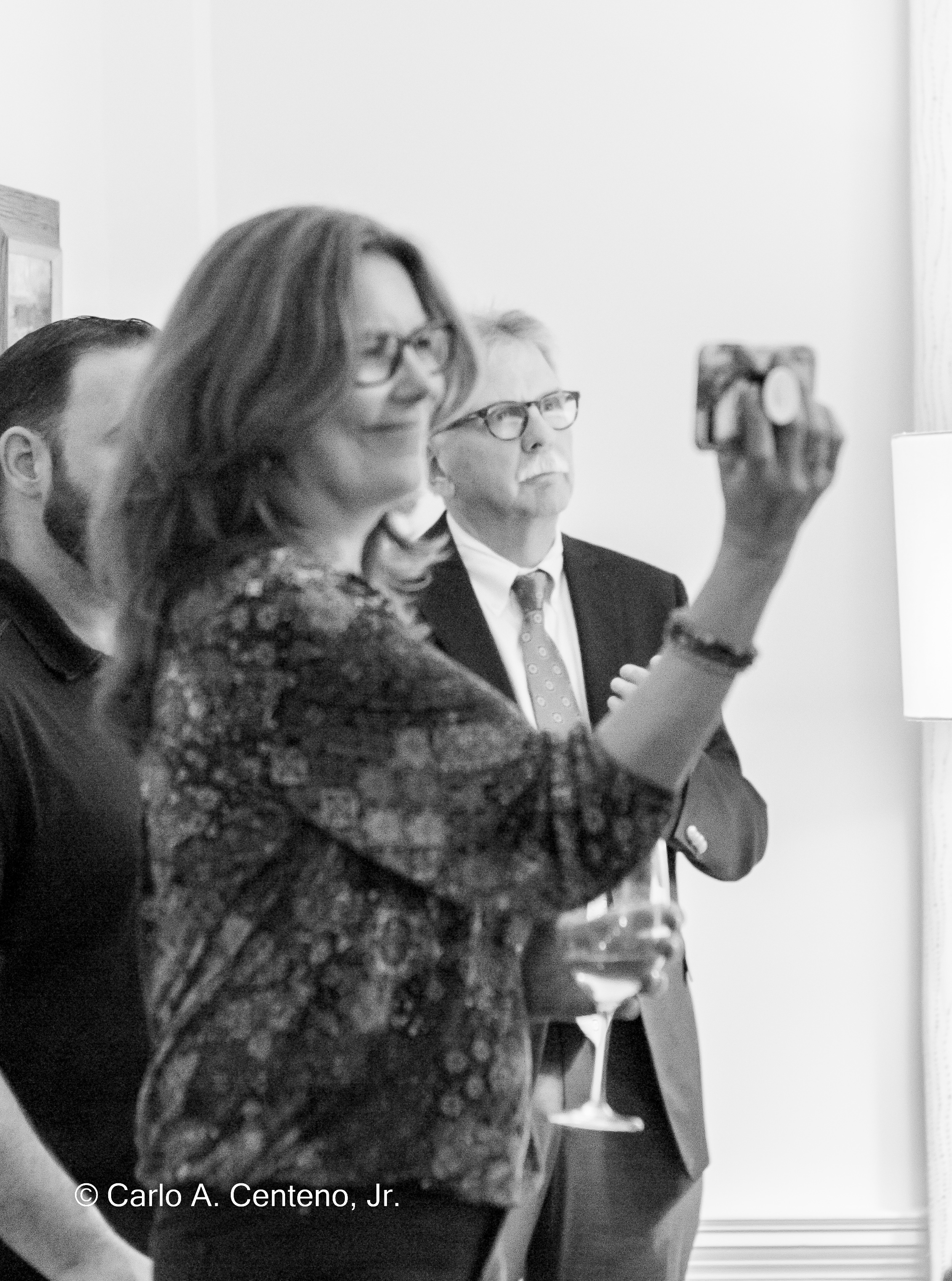
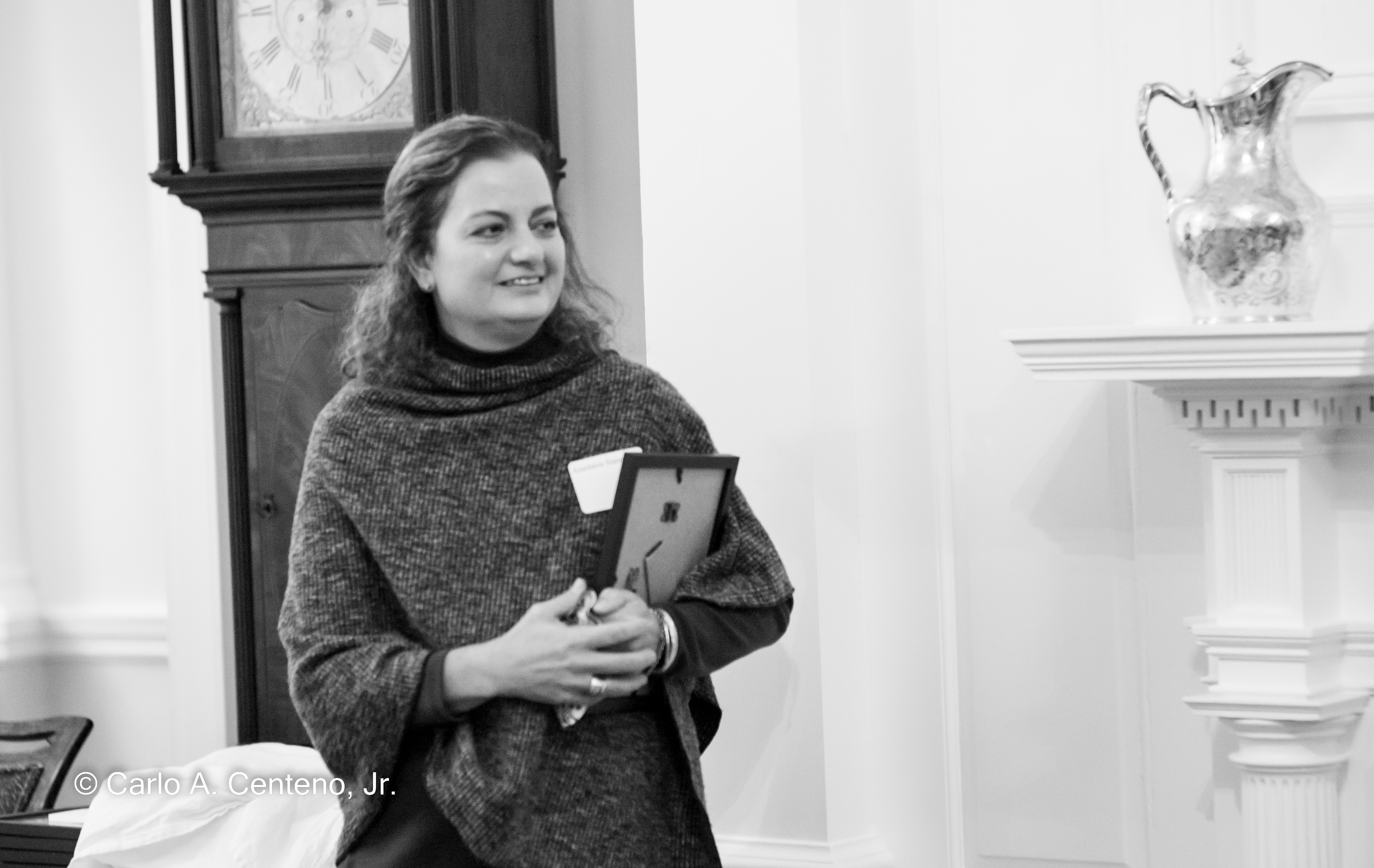
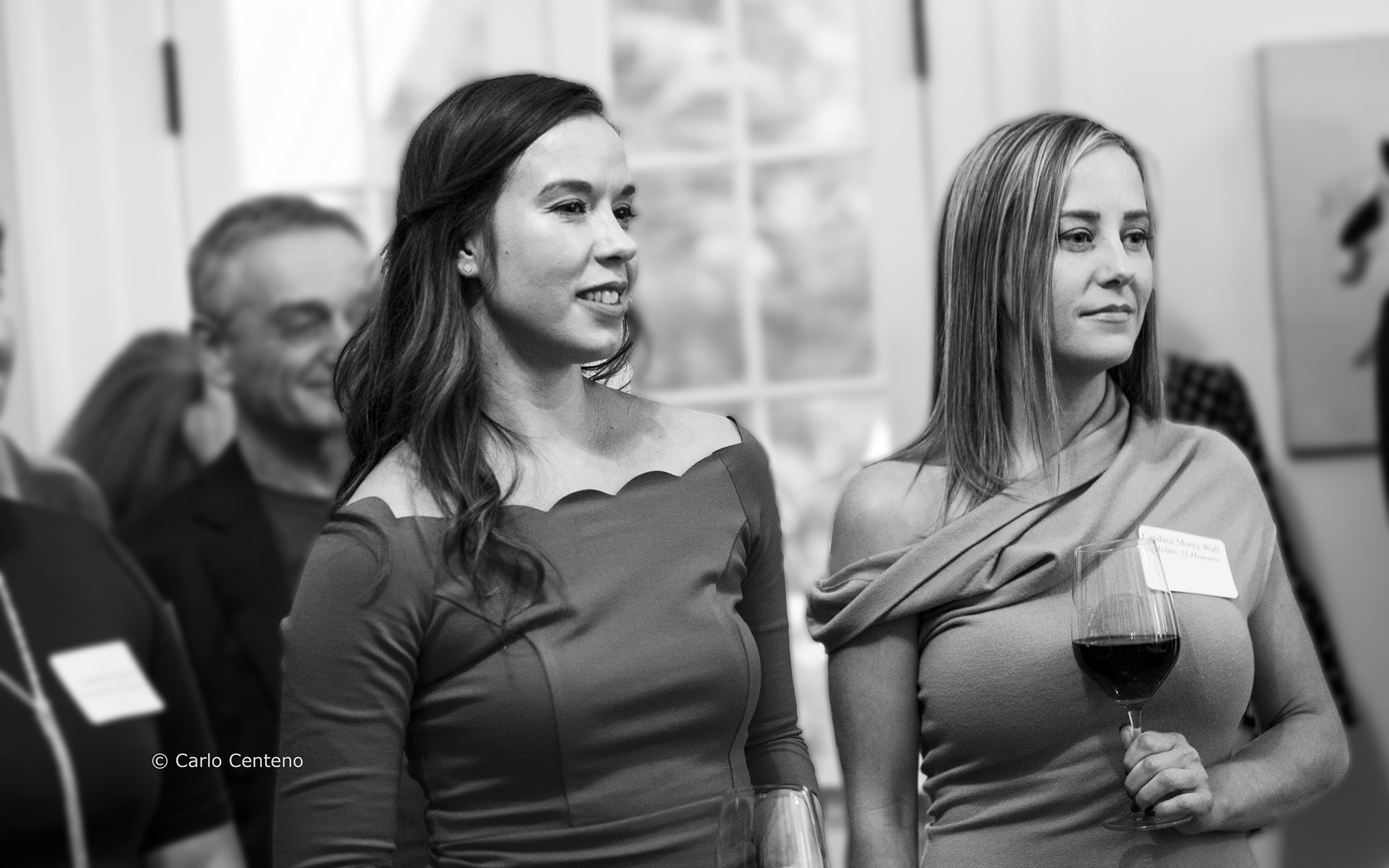
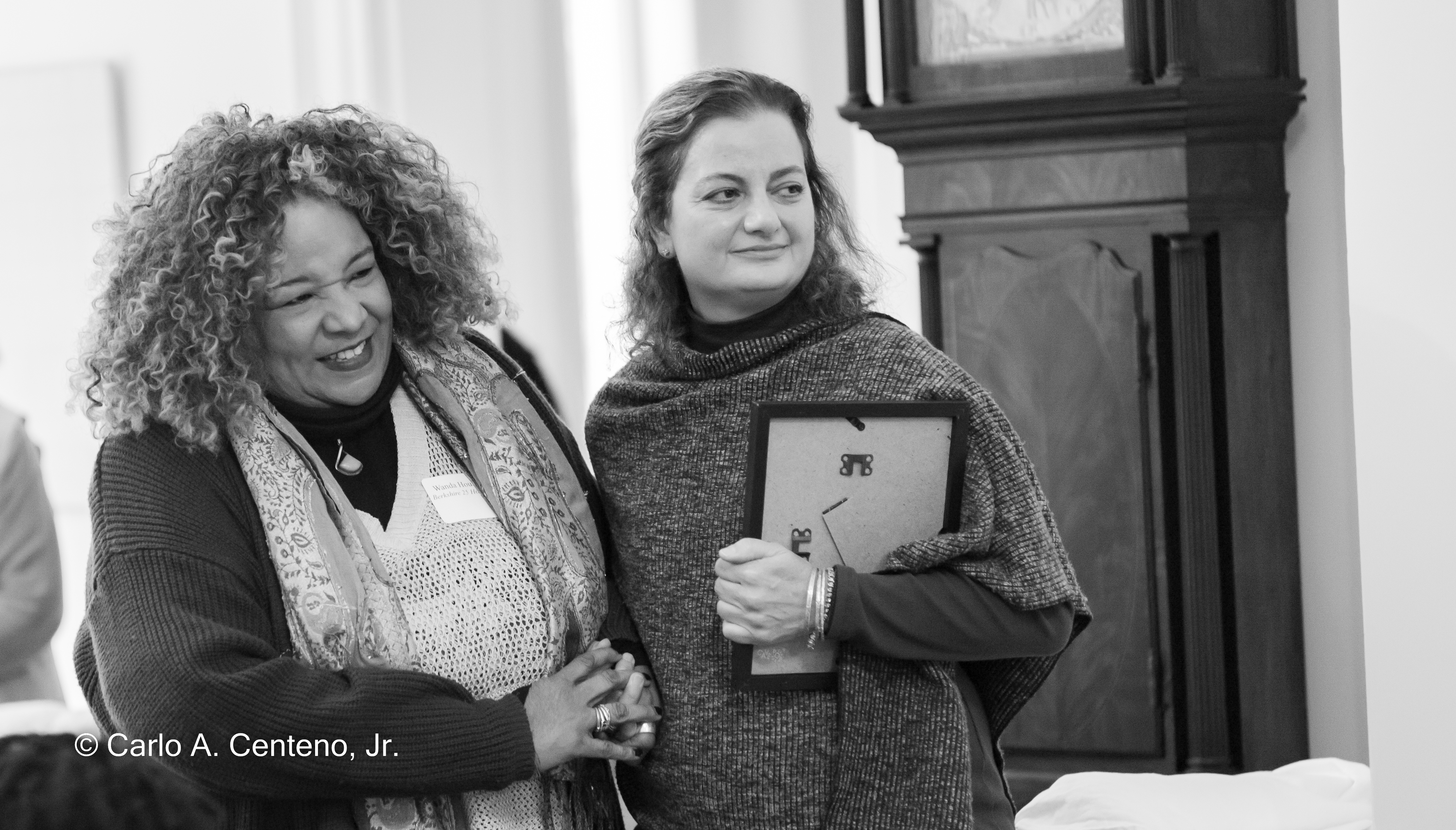
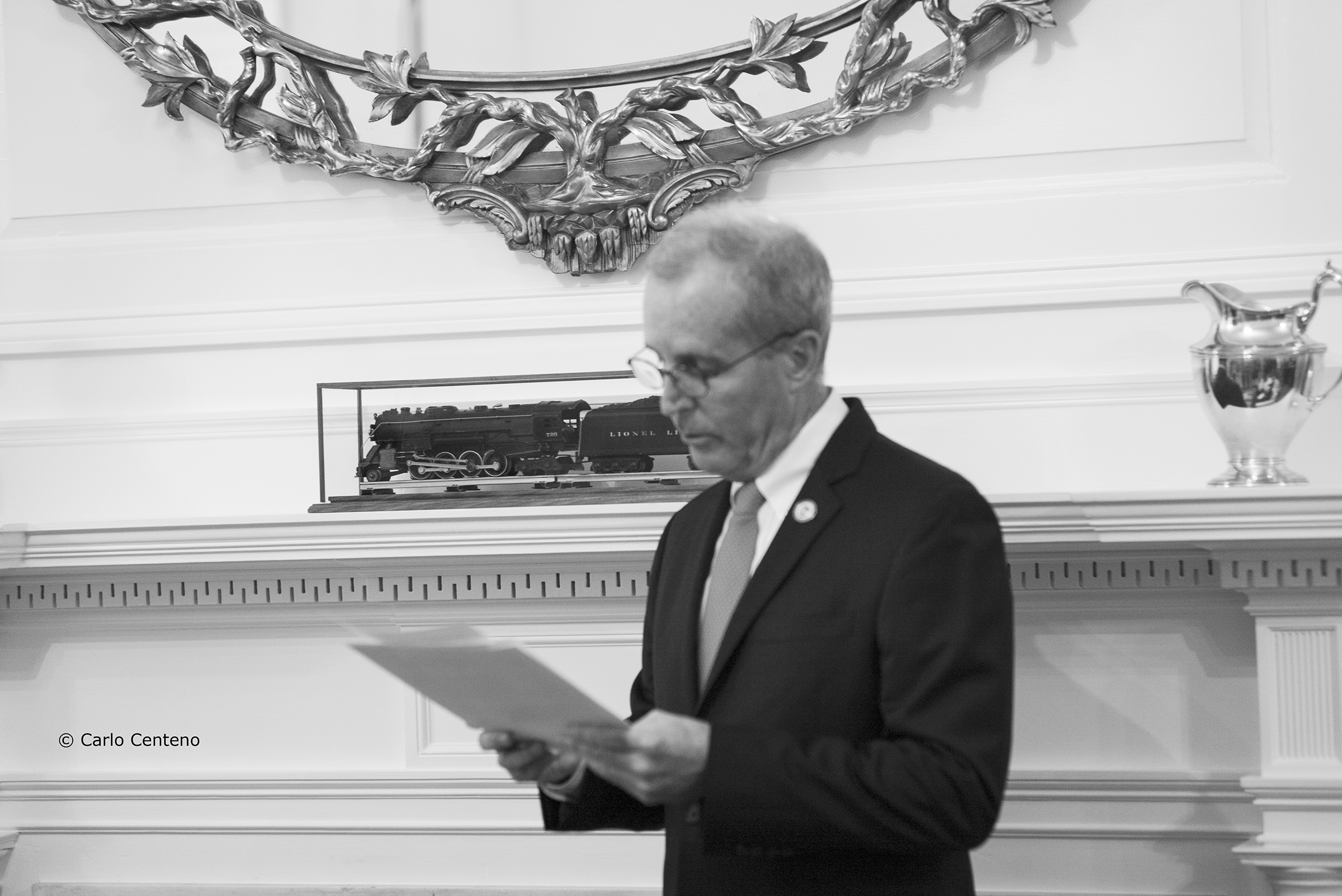
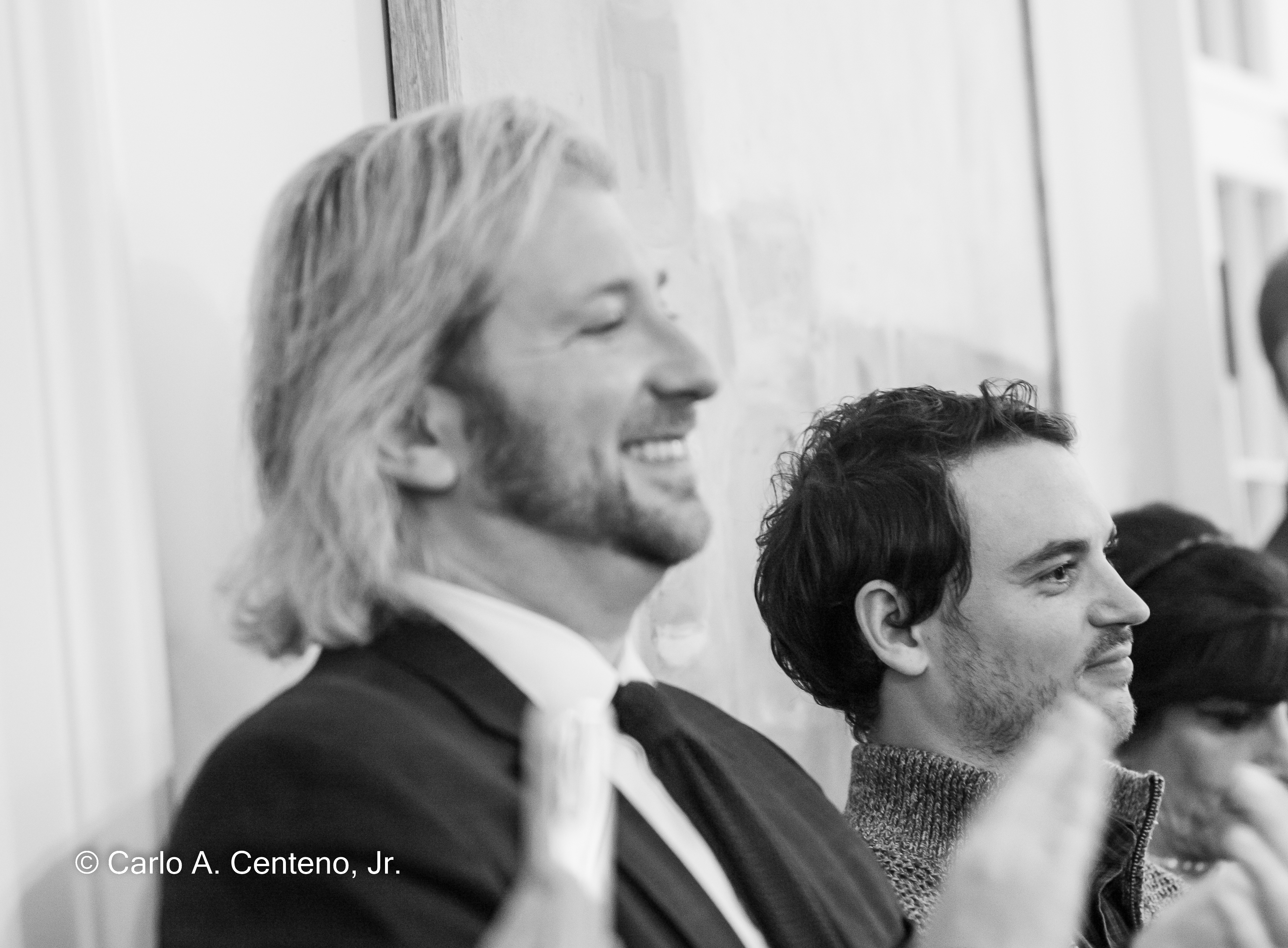
courtesy: Williams CollegeHonorees on the couch: L-R, Mr. Jack Brown; Marge & Ed BrideHonoree Ms. Mia Shephard [L]Honoree Ms. Candace Morey Wall [r][L] Honoree Ms. Wand HoustonRep. Smitty Pignatelli, an engaging & entertaining MC.Honoree Ms. Rachael Plaine
The cynics among us may feel that such occasions are self-serving, each designed to stroke egos or expand bragging rights. You can think that, but I believe no one that evening felt that notion at all. At the conclusion of the event, Rep. Pignatelli mentioned that these individuals represent the best of what people can do, that such care and outreach nurtures the magnetic vitality of the Berkshires. Lightheartedly, he added that politicians like to think that they drive a lot of what’s positive. However, he quickly reinforced that a lot of what makes a community/region attractive and inviting has to do with the very people who understand what it means to be selfless.





















 Carlo Centeno