Discovering Creativity in Art: A Personal Experience

When you’re bogged down with writer’s block, creative fog, even brain freeze, what do you do to break free from its hold? Here’s one way to purge the hive of such impediments. Go to an opening, an art exhibit, perhaps one which deals in a medium that you know little of. In my case, think fabrics, paper and ceramics and other materials—either in combination—or crafted exclusively with fabric. An oversimplification, but a few photos can better illustrate the creations displayed at the exhibit, Beauty is Resistance, our Fall Art in the Barn Exhibtion. I was impressed with the inventiveness, originality, concept development, creativity, and overall execution of the various pieces.

At browngrotta arts, co-curators Tom Grotta and Rhonda Brown have managed original art, crafted by internationally recognized artists for more than 3 decades. My “introduction” to the pieces of art at this exhibit was an A-1 engagement of diminishing my brain fog, creative block and so on. Neither words nor photos can describe the pieces. This is a case of what I actually see and feel is amazing, because of what is physically in front of me. A demonstrative be-in-the-moment activity, to say the least.
So, please take a moment to peruse a small sampling of what was on display.

A special thank you to Tom Grotta and Rhonda Brown for their hospitality and sharing their knowledge about the artists, the scope of this exhibit and their anecdotes of life in international Art. Photography: courtesy of Tom Grotta. All rights for the images and the Art are those of the artists.

Home artist Lija Rage; mixed media, wooden sticks, linen and copper [2-panels; detail shown in second image].

From Chaos to Reality artist Aleksandra Stoyanov; sisal, cotton

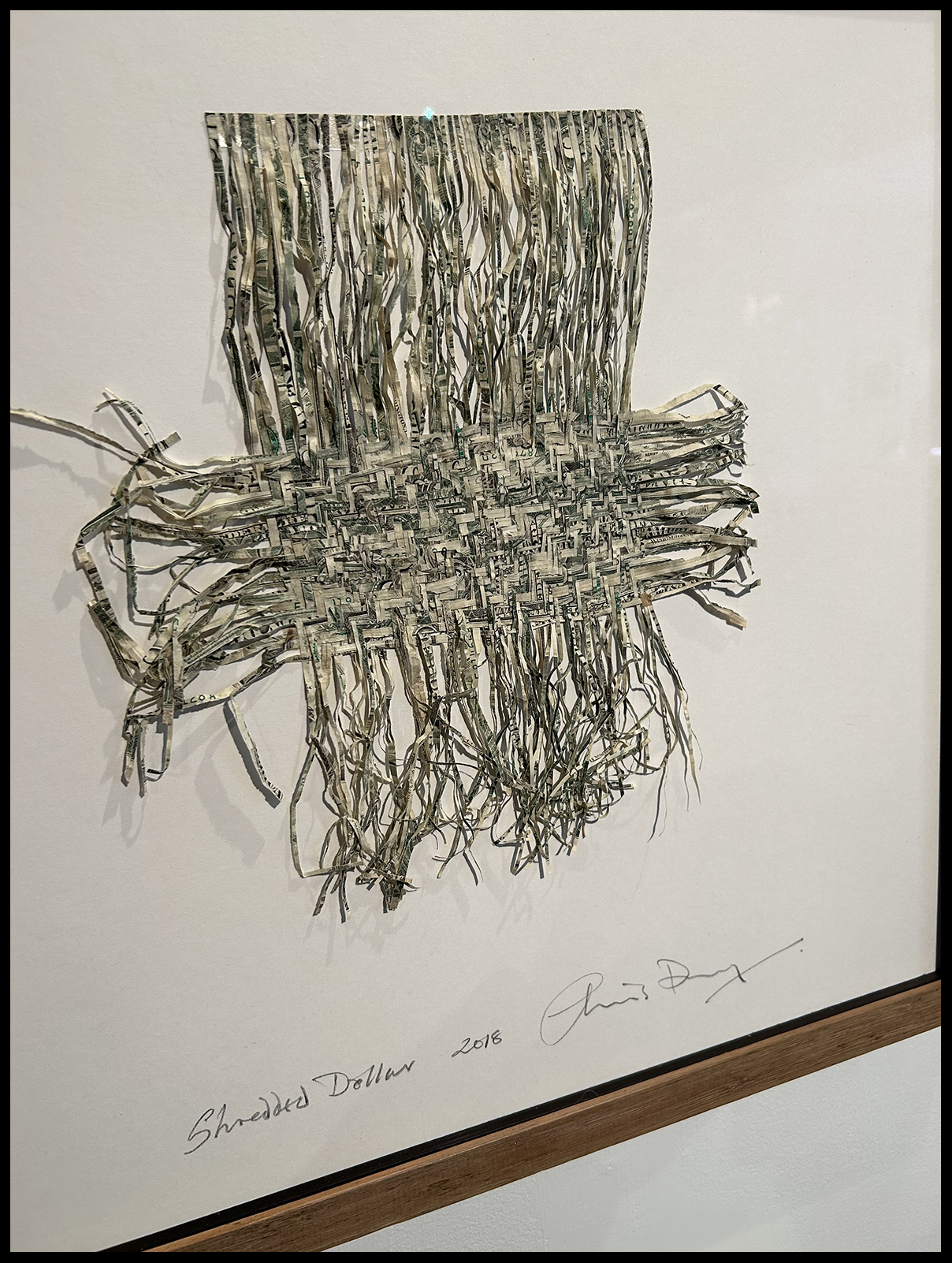
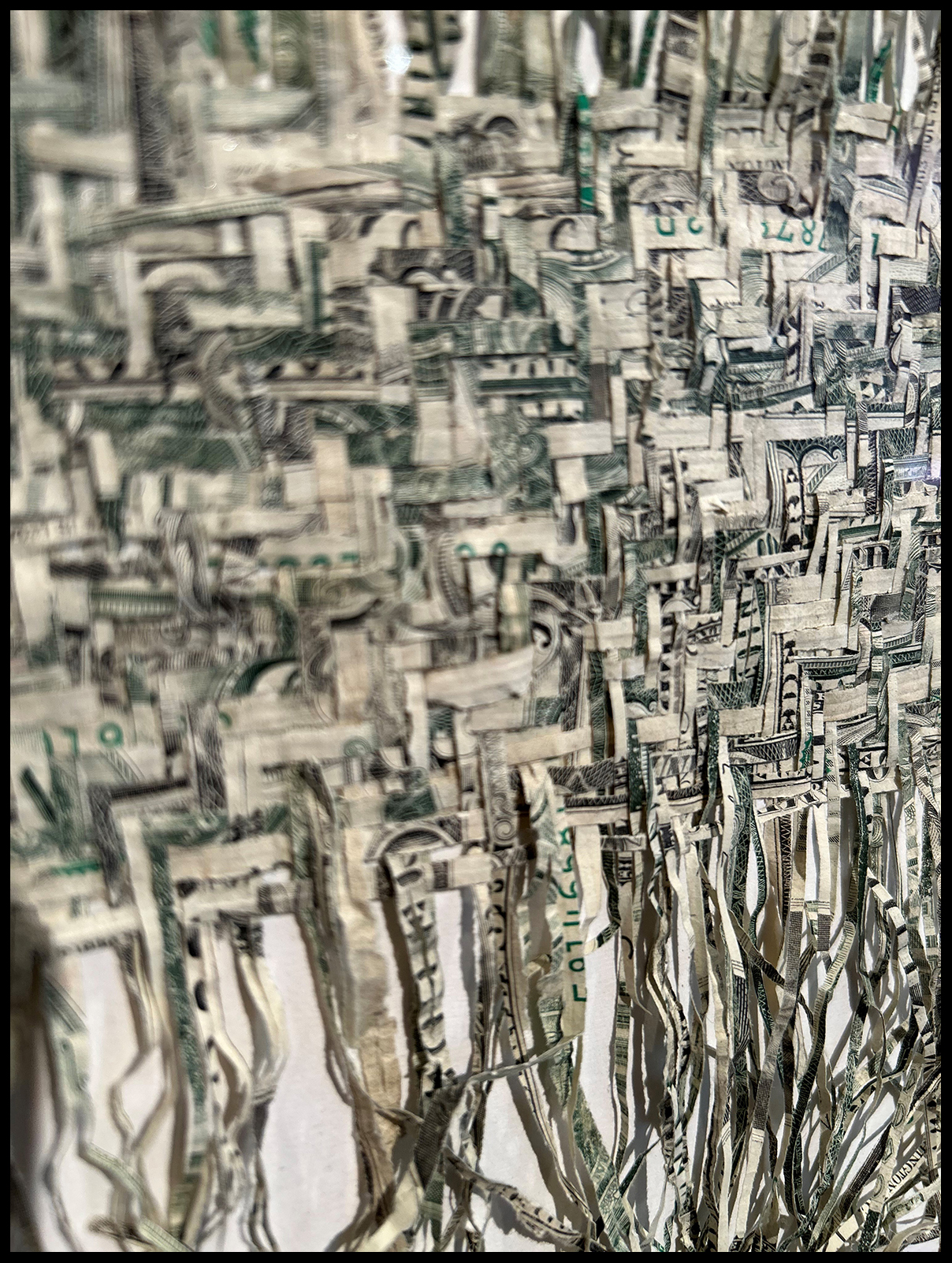
Shred dollar artist Chris Drury; US currency [detail shown below]
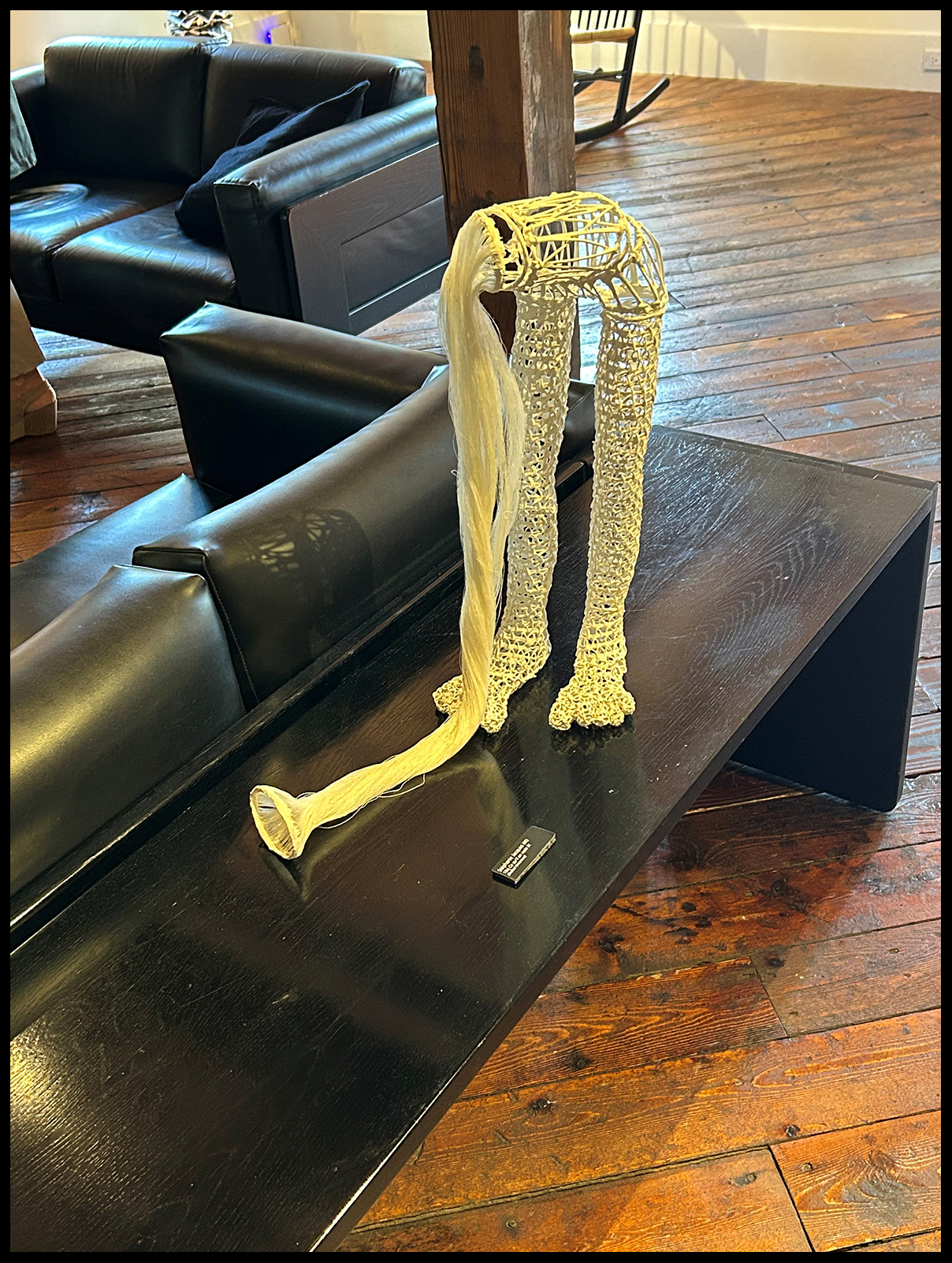
Female Husk II artist Anda Klancic; torso [from Momento Mori composition] with cone; palm tree bark, synthetic filament, acrylic, and metal wire

Ce qu’il en reste IX artist Stephanie Jacques; willow, gesso, linen thread
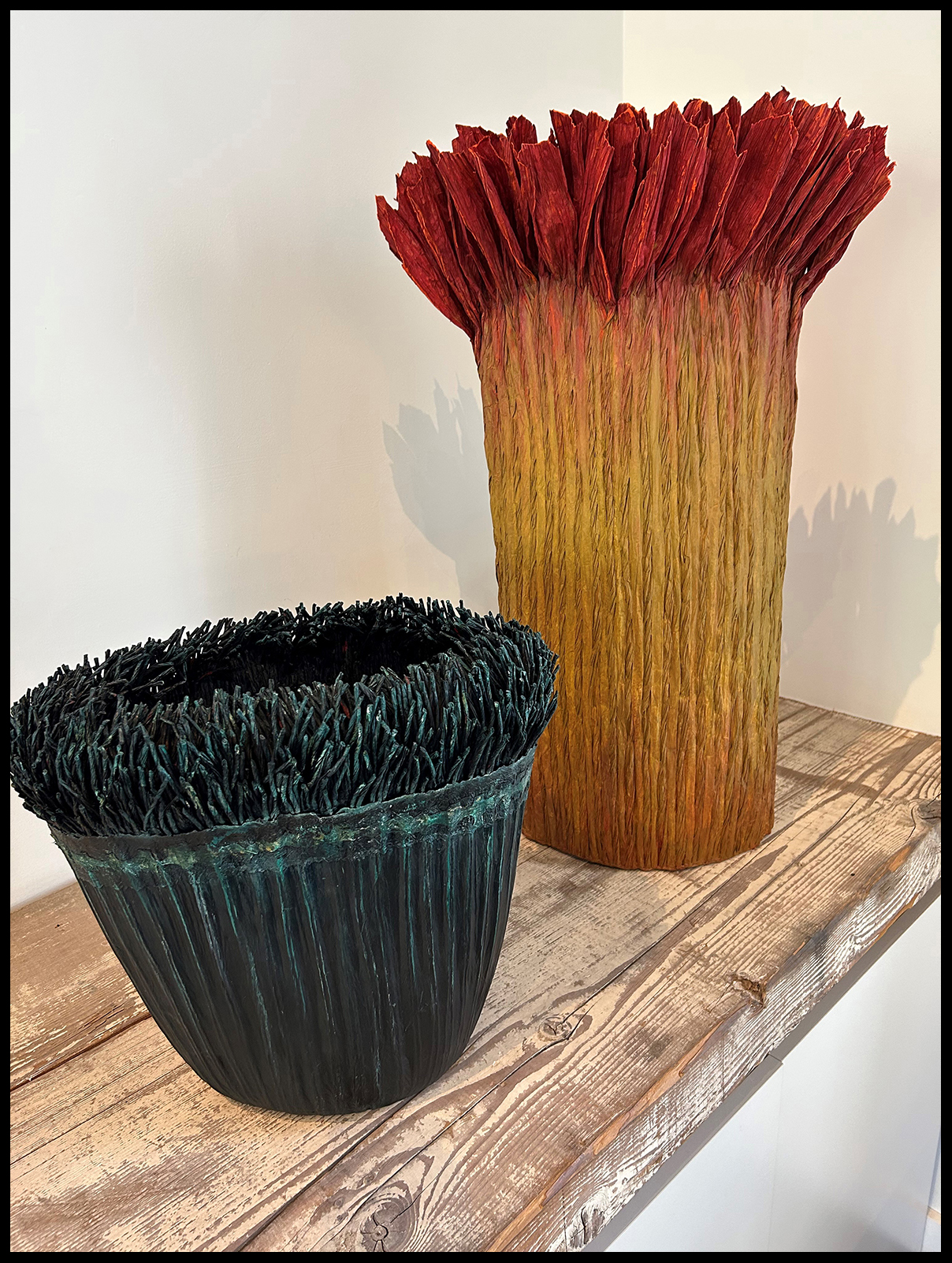
Flower Colors artist Mary Merkel-Hess; paper, cord, paper
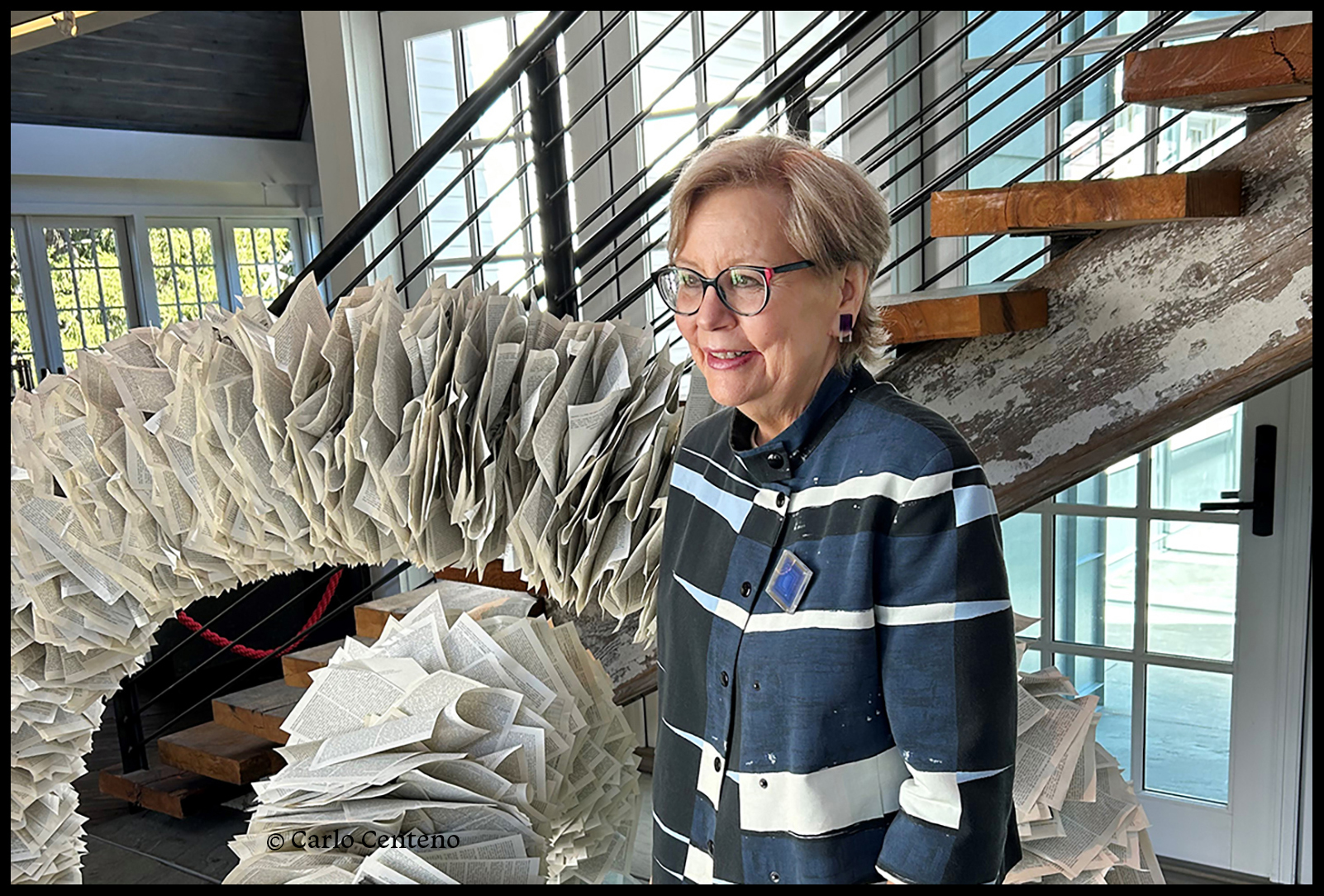
Rhonda Brown co-curator
Tom Grotta co-curator

Photography a professional photographer, Tom Grotta created a display showcasing some of the literature and gear he has used through his ongoing career.

WinterLight-2

I’ll admit that it can take a lot out of you when winter conditions pin indicators below the norm [temperature, wind chill], or above the line [accumulation and severity of snow/freezing rain/sleet]. By February, a good number of folks are pining for—some hoping through a telekinetic event—the arrival of spring.
Yet in spite of our incongruous sentiments about winter, its been said that residents of Scandinavian countries can make the best of it.
Perhaps their overall acceptance of this perennial cold, snow and short days has something to do with the their countries having “the happiest people in the world.” Is there an attitude, a perception that we’re altogether missing? Warmer clothing compared to ours?

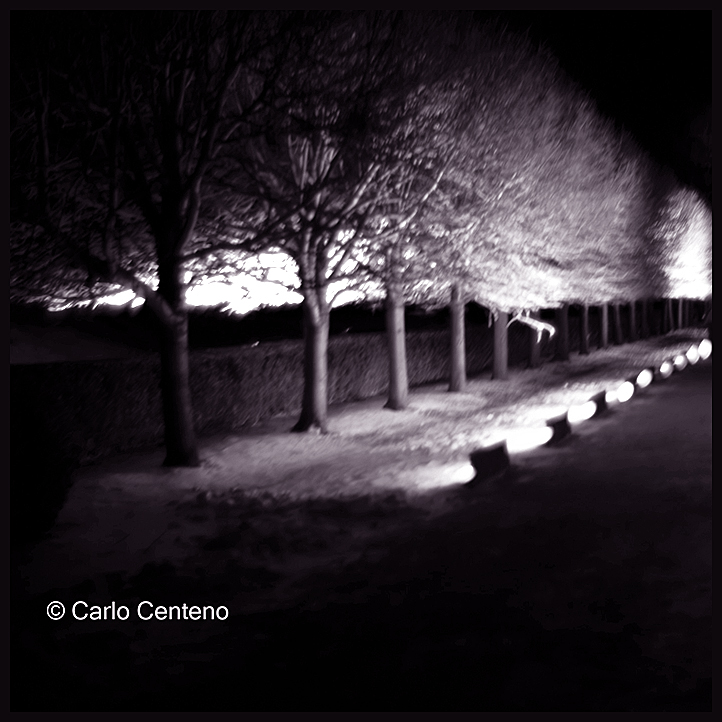
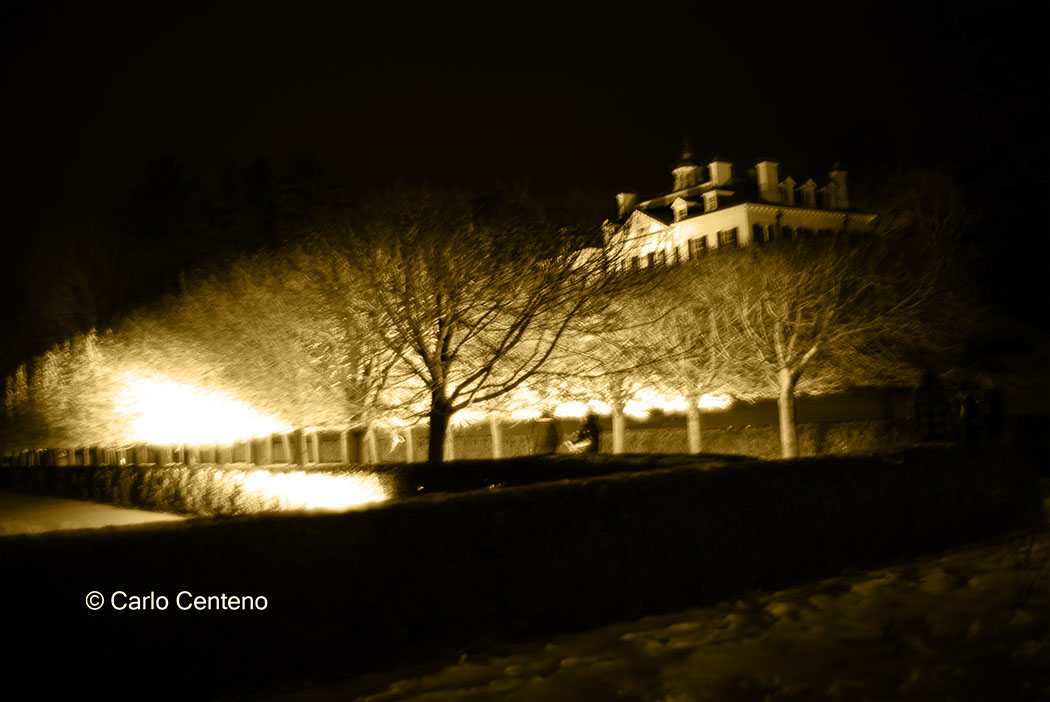
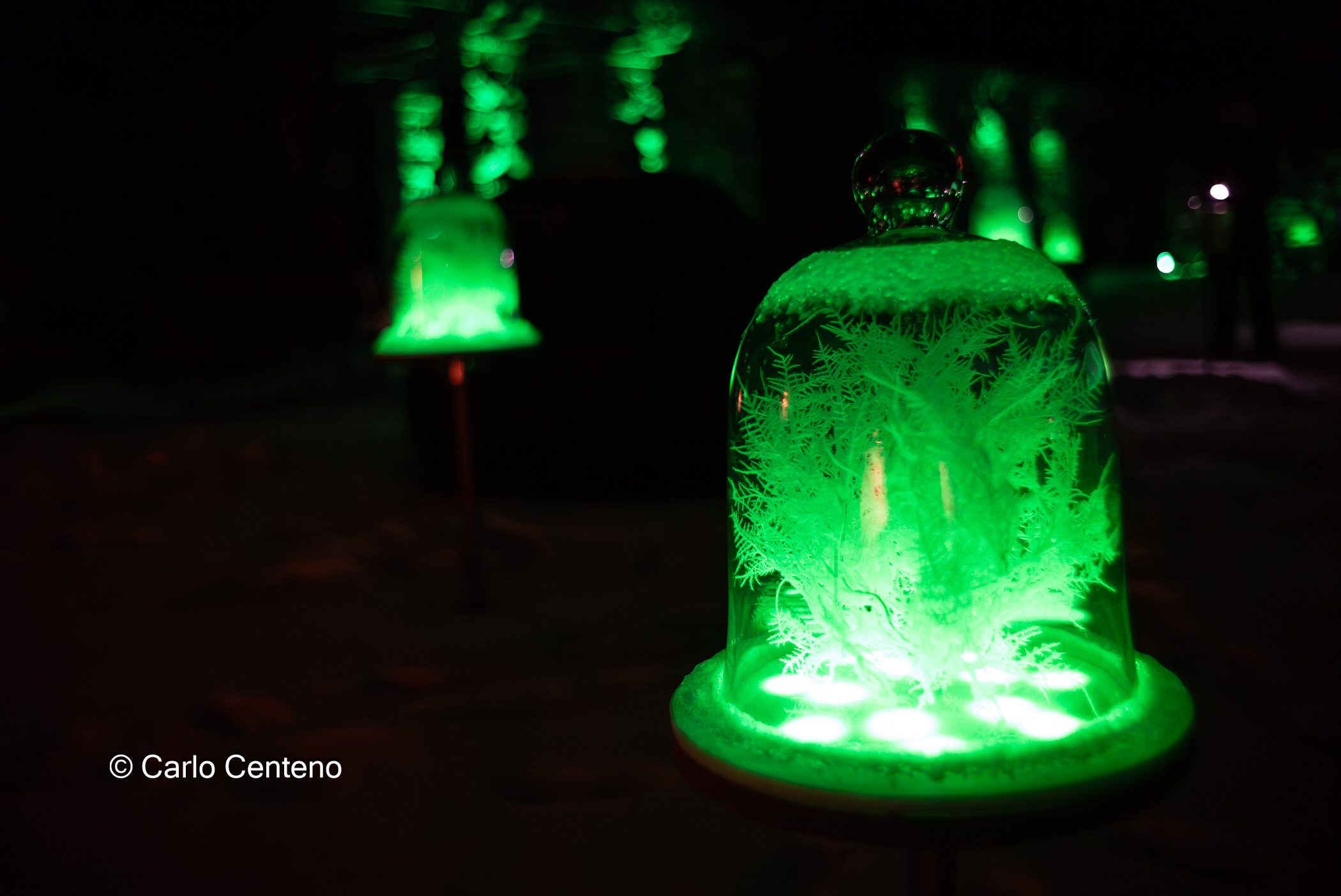
We’ve [me and my wife, MJ] made treks to the Berkshires all year long with additional stops during winter. Some of these stops included special outdoor exhibits of which 2 come to mind: The Mount, Edith Wharton’s home, and also at Naumkeag Estate. The photos posted here are from Nightwood, and it was a wonderful stroll along the garden pathways and woods at The Mount.
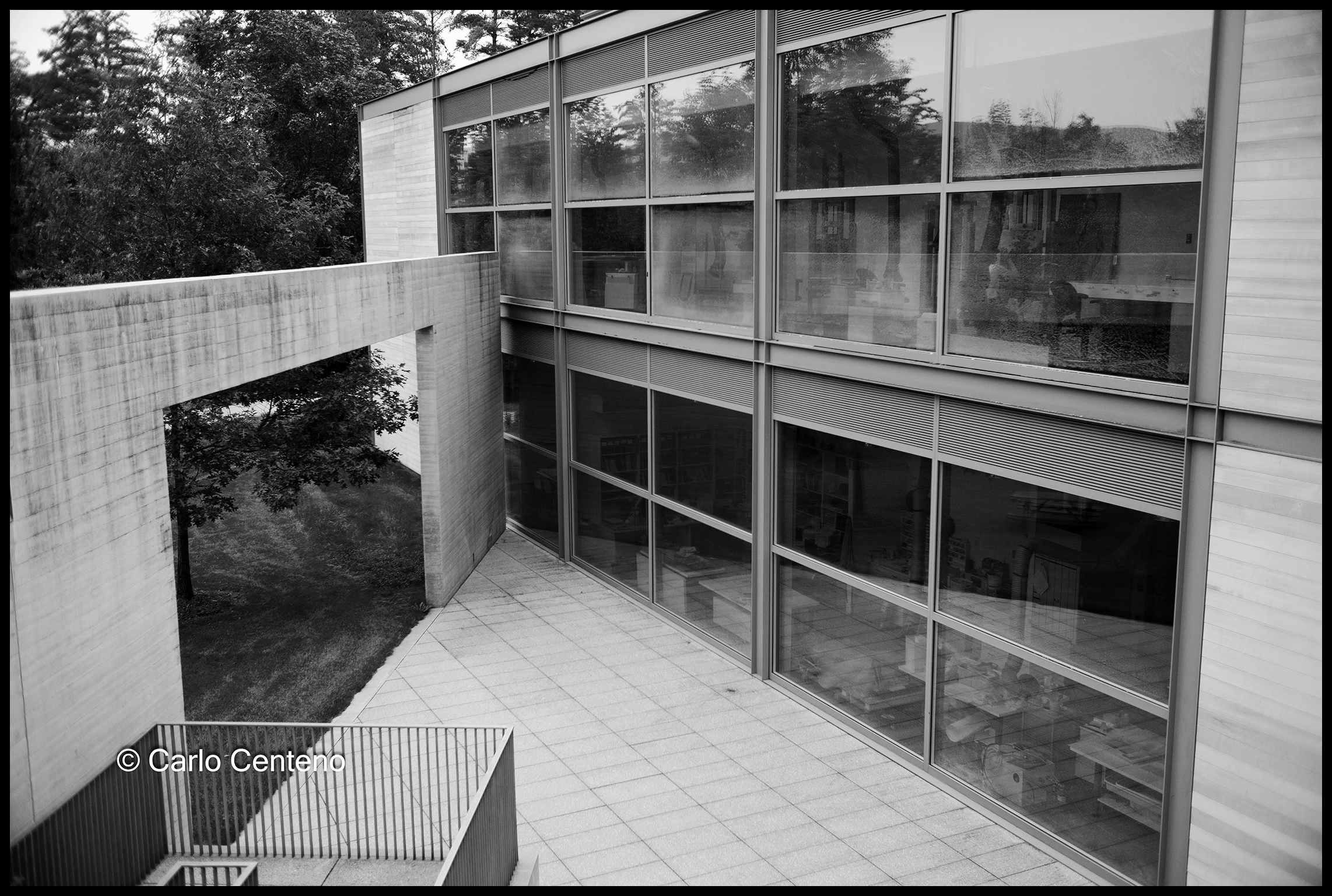
Appropriate winter clothing makes a big difference; it does get colder in the Berkshires. Key details: wool sweaters, base layers, even hand warmers.
Along a mile-long path cutting through the woods and gardens, the exhibits appear like waypoints on a map. Each installation carries its own interpretation of light, while an original music composition aurally ties everything together.

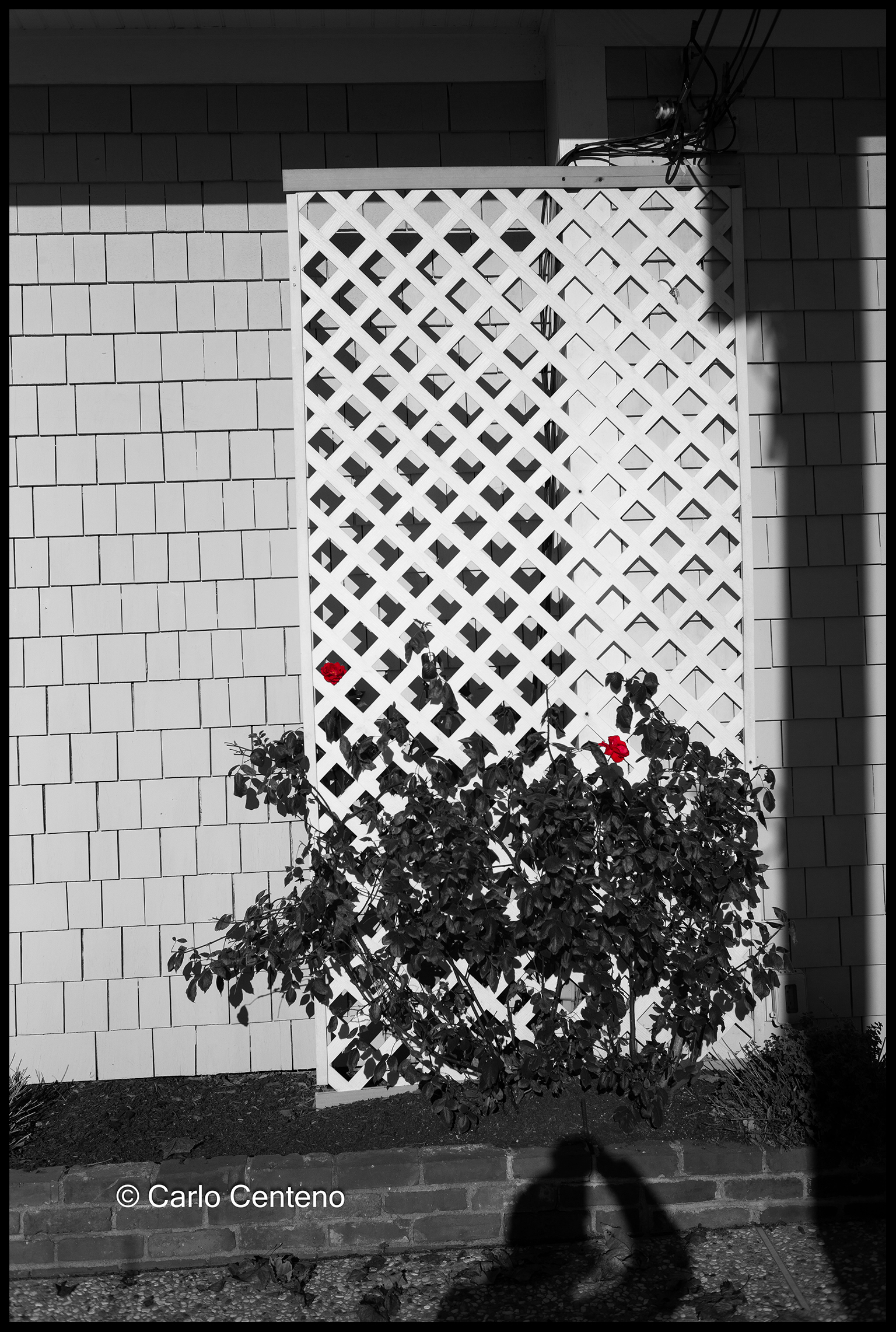
My interpretation of The Mount exhibit centered around the intensity of each installation, vis-a-vis the light itself. Using B&W images had provided [for me] a key, old-school tenet of imagery: simplicity allows interaction between the visitor, and the subject at hand. Put another way, monochromatic images transcend continuity. Color images offer validation to what we see because we readily see color. Yet color can be distracting. Not a slight, but just a matter of fact.

For me, I’m drawn to B&W images because of its tonal consistency. Black & white does not have the influence of color, and yet allows me to see the entire image and all its nuances.

I, along with others like color images , but there are times when color feels more like a distraction. A single color that’s part of a smaller detail is enough to pull you away from the whole and down into a rabbit’s hole. Still, B&W does have a way of binding together the elements that make up the photograph, all within the inimitable, ever valid black & white palette.

Winter Light

[Dylan Thomas, poet; Do not go gentle into that good night.]

Do not go gentle into that good night,
Old age should burn and rave at close of day;
Rage, rage against the dying of the light.

Though wise men at their end know dark is right,
Because their words had forked no lightning they
Do not go gentle into that good night.

Grave men, near death, who see with blinding sight
Blind eyes could blaze like meteors and be gay,
Rage, rage against the dying of the light.

And you, my father, there on the sad height,
Curse, bless, me now with your fierce tears, I pray.
Do not go gentle into that good night.
Rage, rage against the dying of the light.

Consciousness in the Age of Irreverence

I’m not alone on this one, but it seems that many channels of communication [discussions, social media and various online postings, news media, e.g.] are quite inhospitable. Of course not all content is an incorrigible exaggeration, but it does seem that we’ve gone myopic of a rule that involves interaction and in particular, discussion, between different POVs. Essentially, such discussions are cleaved in 2. There are some instances where discussions cannot abide with the adage, One can disagree without being disagreeable.

Ironically, much of what we do that makes us feel lost, infuriated and misunderstood is, indeed, something that’s very human. And of course, we can be intractable and obstinate just as we can be manageable and flexible. It’s been said that politics and elections are catalysts to conditions of inflexibility, among other reactions and situations.

Consciousness Fine Tuned

Being aware of yourself and how you think about everything around you is uniquely yours. There are a few theories which attempt to explain consciousness, but one written by a researcher at Boston University School of Medicine is one which mortals like me can comprehend.
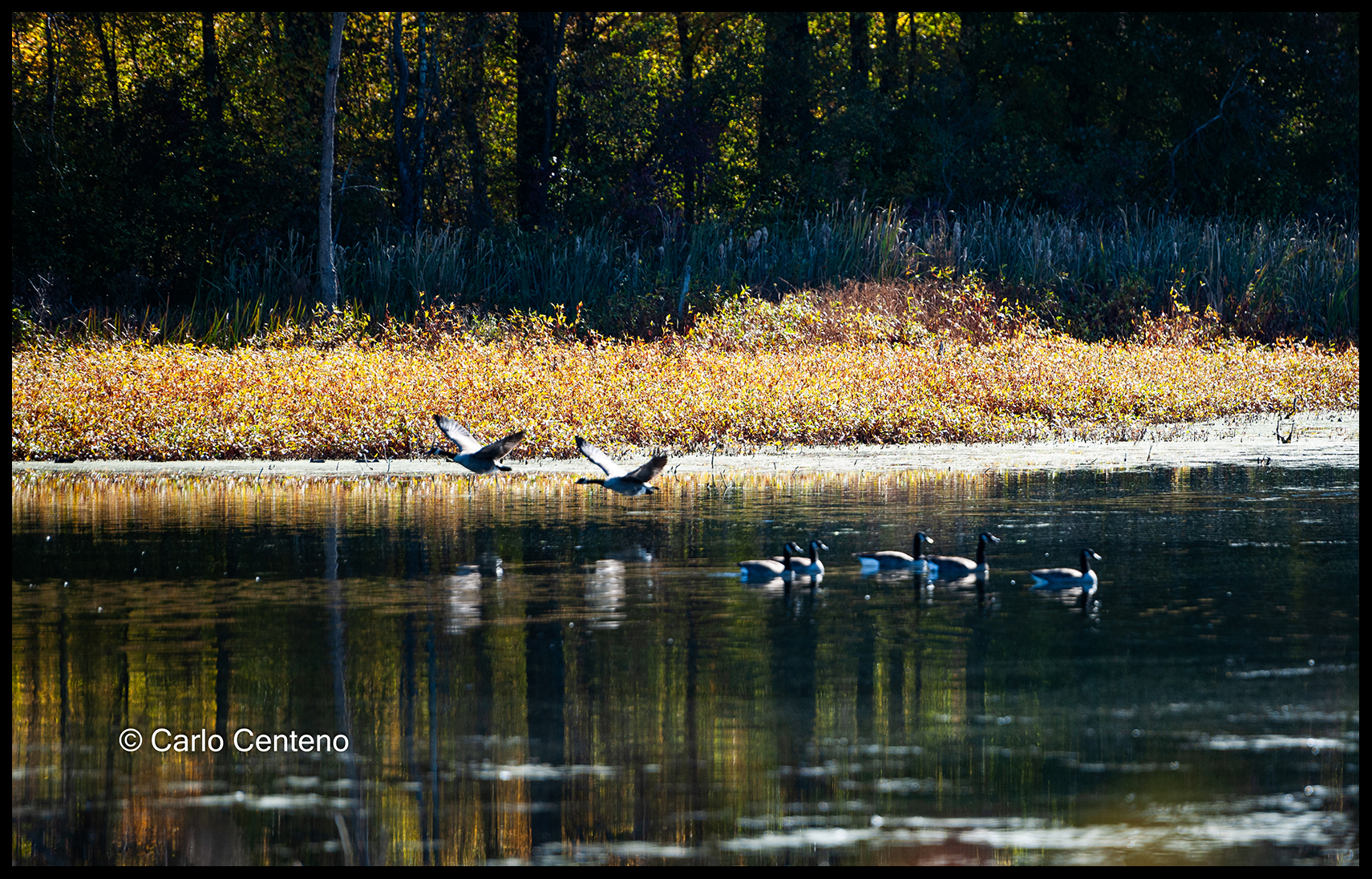
The end of October has rendered our landscape into a wonderful palette of autumnal colors: the reds, orange, yellows and hues in between are as beautiful as I’ve ever seen. I share this because watching and/or listening to the news is taking the wind out of my sails. So, to fine tune [or tune out] the bad vibes plaguing airwaves, print, and online, I retreat to places where I can hear my thoughts and submit to various feelings coursing through my consciousness.

You could say that I’m “rebooting” my consciousness, but I feel it’s more like a “recalibrating” effort to keep my sanity more or less where it’s supposed to be. The quiet and calm of places such as these act like a rheostat where mood, color, the smell of the air and so on can be dialed up or down or not at all. In doing so, I’m reminded that the angst raging between factions entrenched in ideologies are obstacles for realizing a common good. The greater good lies dormant, restrained with indifference and the stubborn personas that make life uncomfortable.

There’s no denying the subjectivity of consciousness, but there are constructs within it which allow for common ground. Without those common constructs co-existence would be, in a word, Sisyphian.

I look to writing and chasing the light, feeling immersed with either one or both, to purge distress, sadness, loss of concentration, etc. Certainly, when your mind is busy with something good, a good that pulls you away from angst, then jump in.
I won’t be chagrined by situations beyond my reach. It’s a waste of energy and time grinding about things I cannot control. That’s easier said than done, but I remind myself to ruminate less on what weighs me down and instead examine alternatives that have helped me before.

Can anyone deflect dissonance long enough to find even the smallest gesture or comment that closes distance and transforms distraction into possibility?

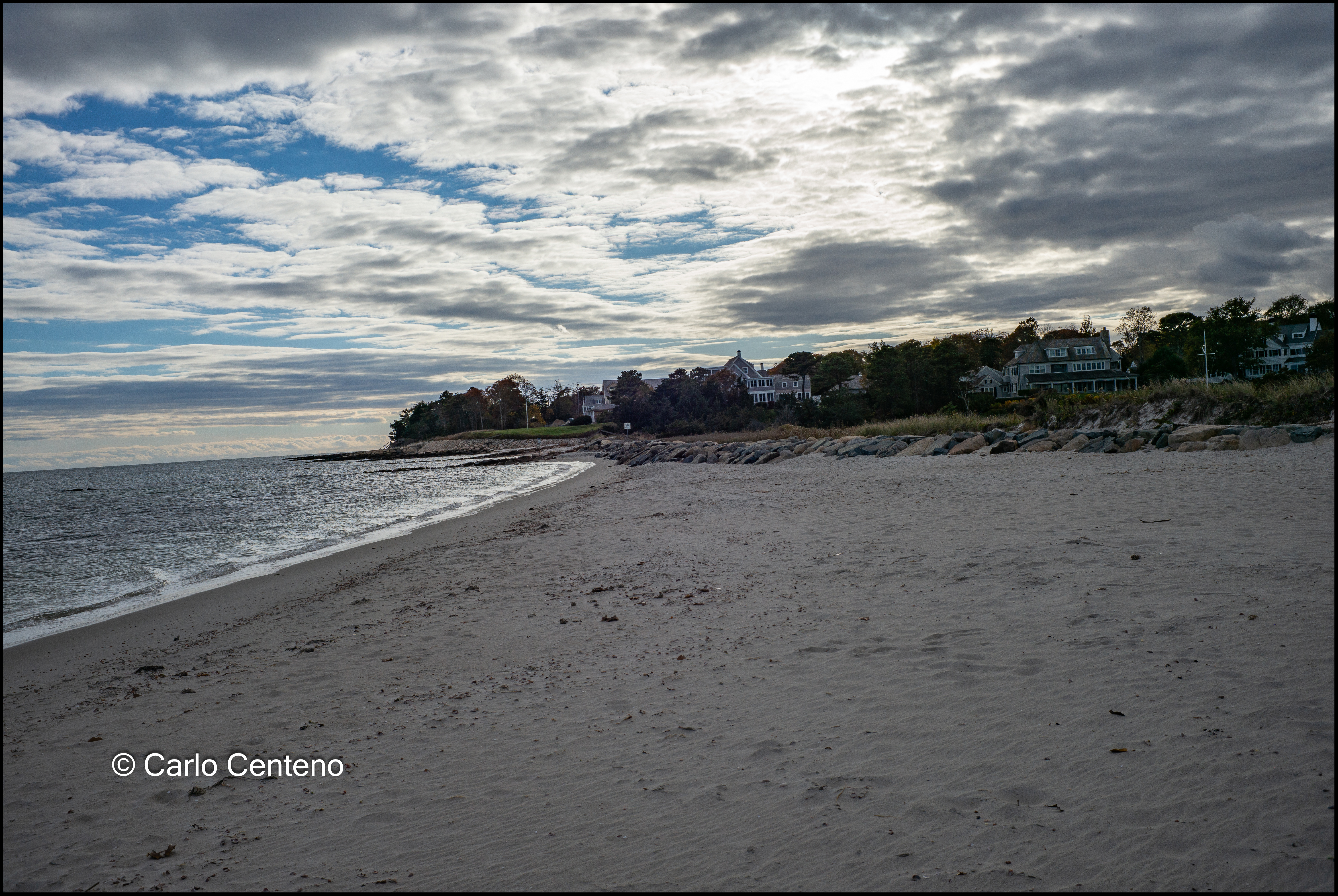
I relish the 4-seasons here in New England. I have preferences for the times in a year that are cooler and less humid, but I also welcome activities and distractions that come with the other seasons: longer daylight hours, trips to Cape Cod in Massachusetts [salt water and salty air are genuinely therapeutic], visits to the Berkshires and so forth.

How do you take care of your sense of–or even recalibrate–consciousness?

Each Rider Matters

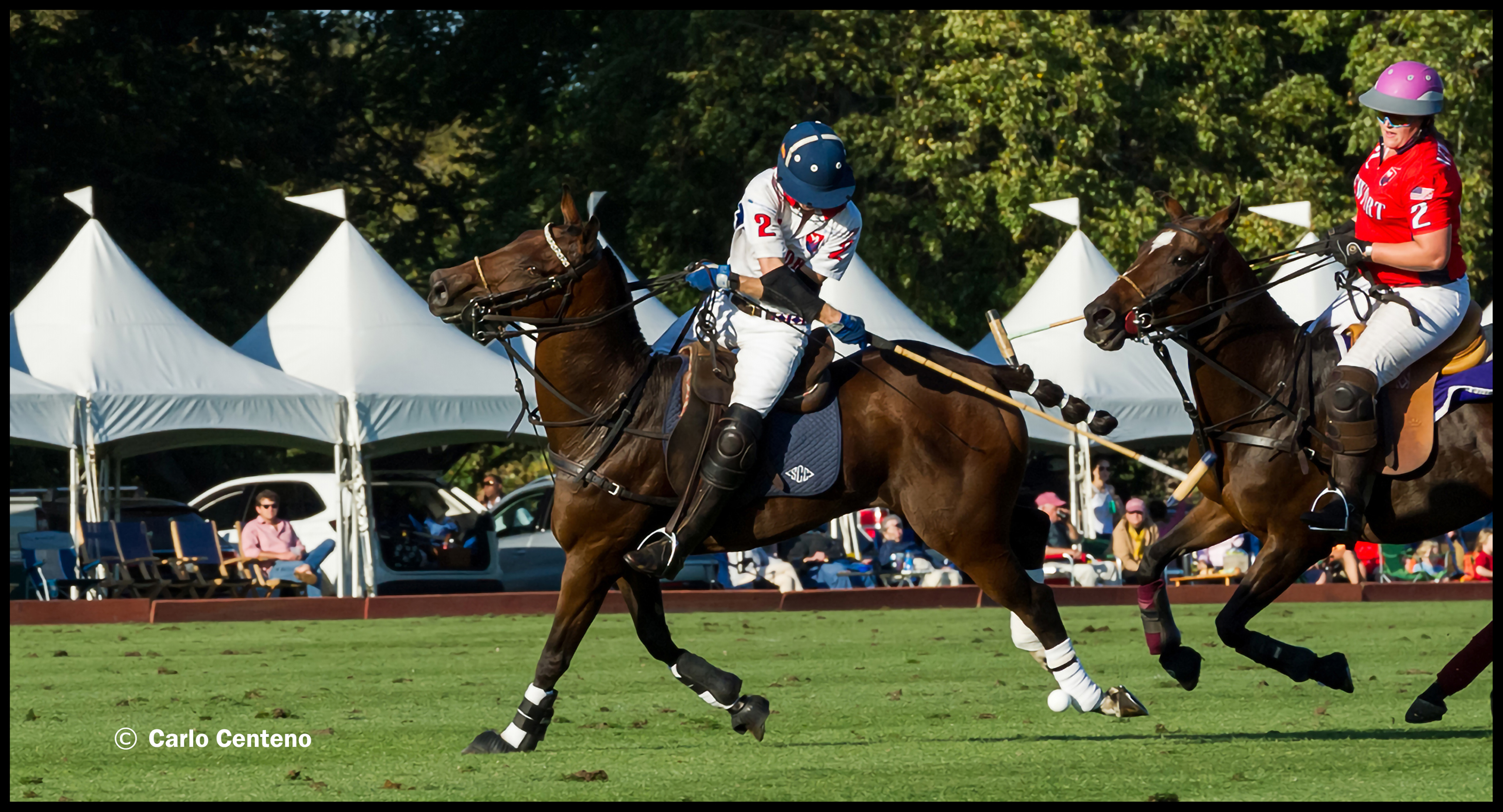
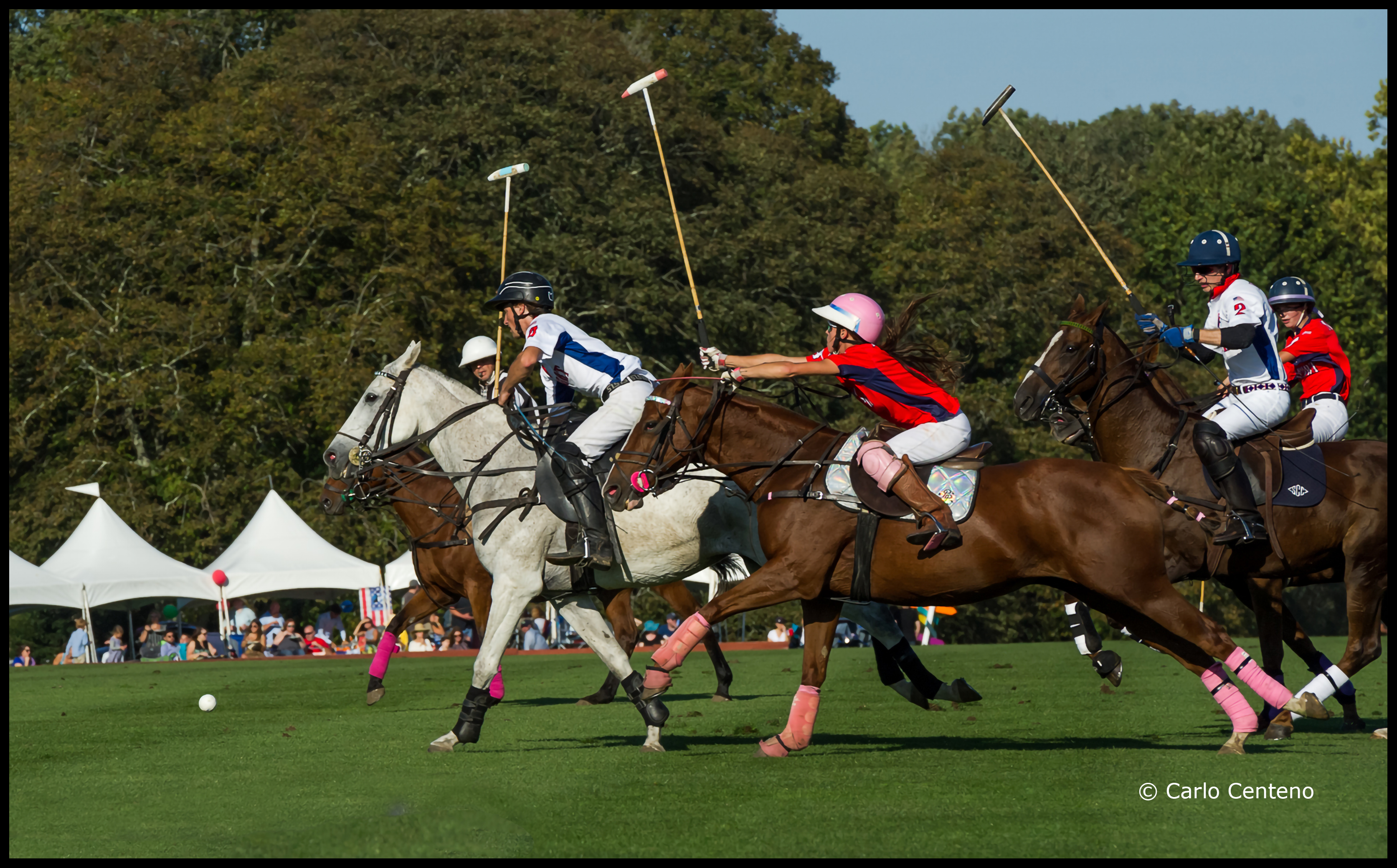
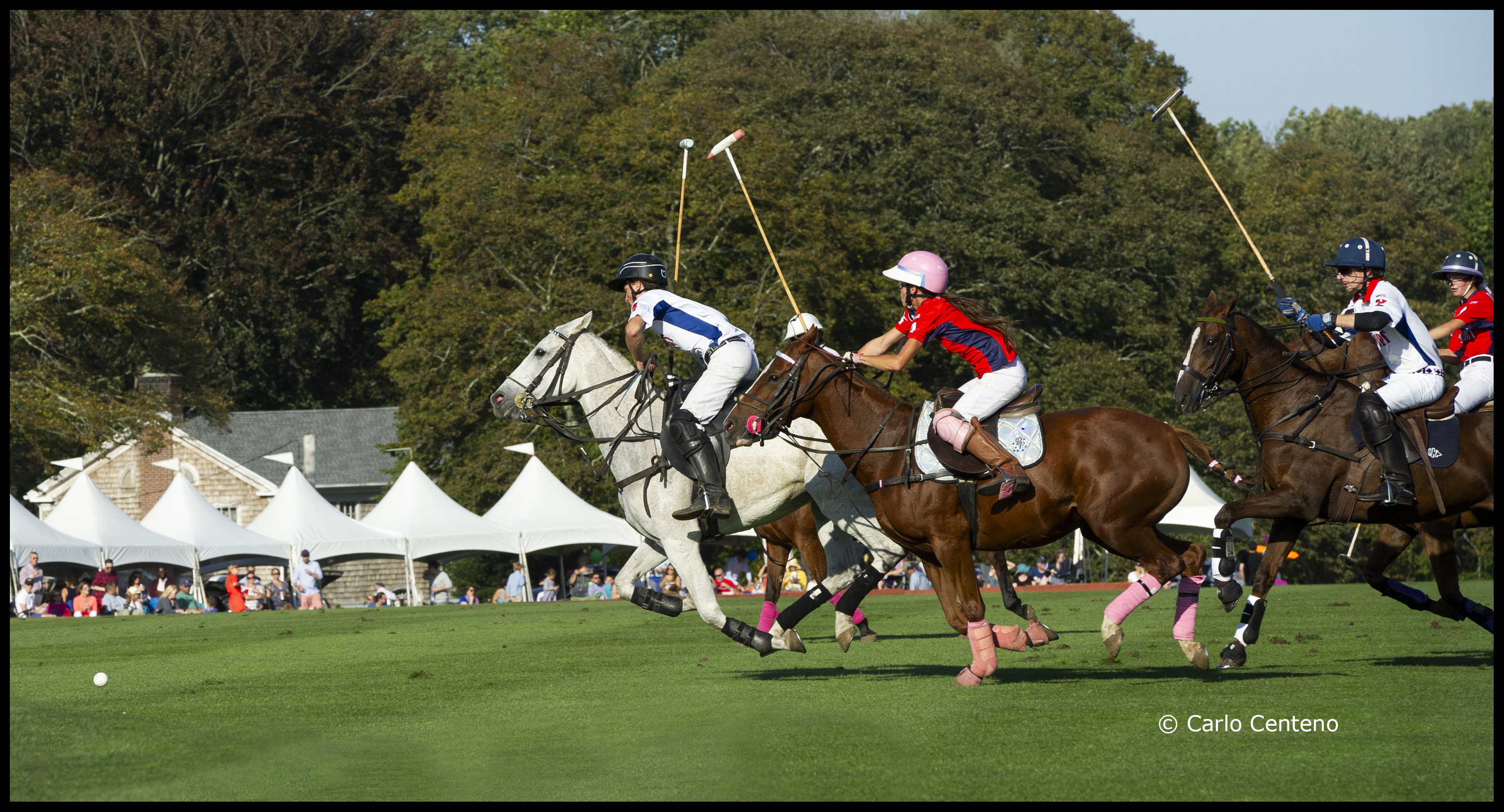
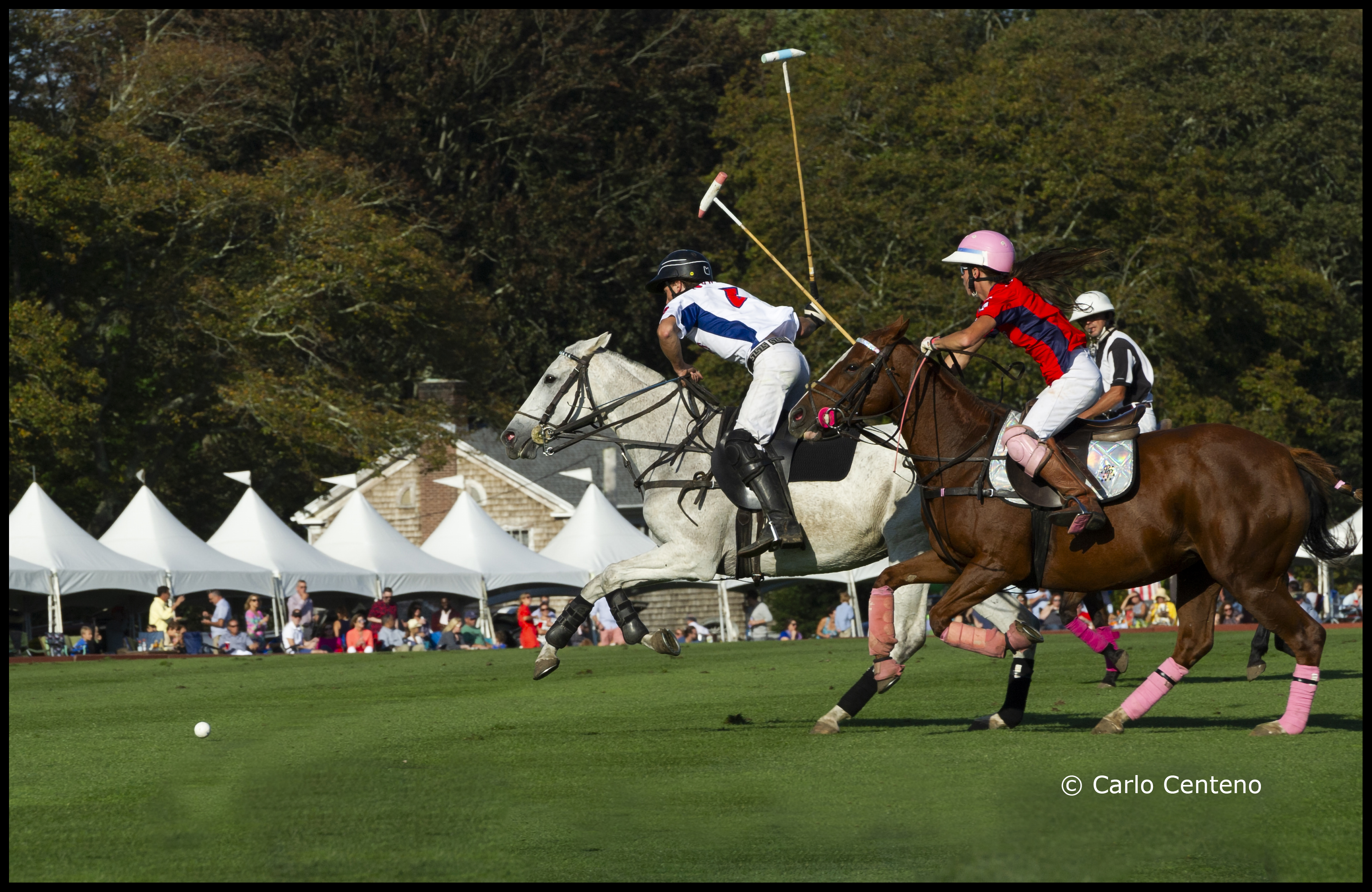
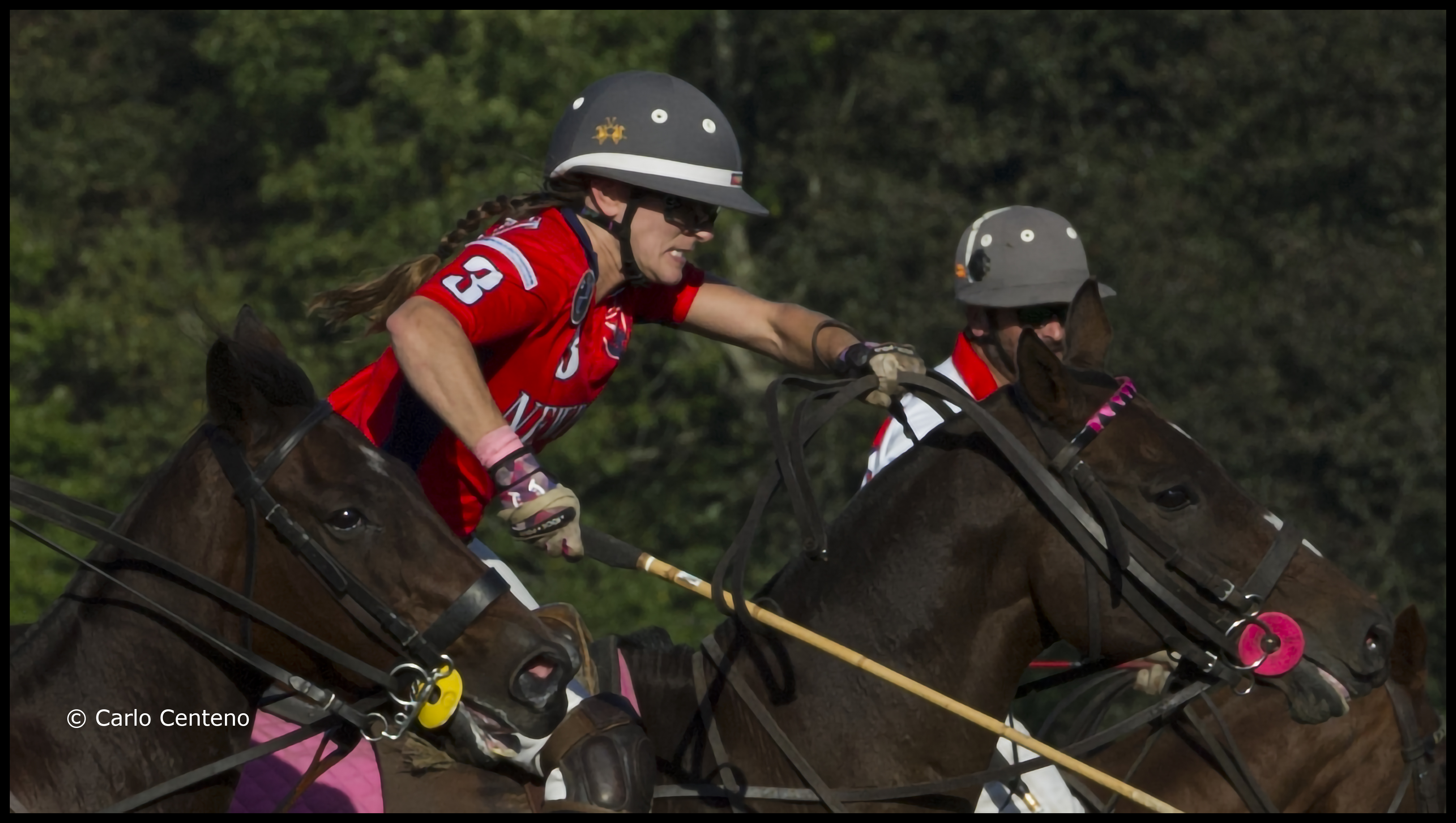
Those who play team sports understand the overall utility that is teamwork. No great mystery there. The many endeavors we encounter in Life often function better when we work in groups. From hobbies and clubs to those in line-work and the C-suite, we often rely on someone else to help complete a project or task.
Granted some tasks are regularly completed by one person, and such tasks can be specialized inasmuch that that one person is THE best person to do the job. Without her/him, the end result may not meet expectations.
To a great degree–individual efforts aside–you’re only as good as the people you work with.
A special thank you to David Schultz for his hospitality at Newport Polo.

Edvard Munch

The Storm, 1893

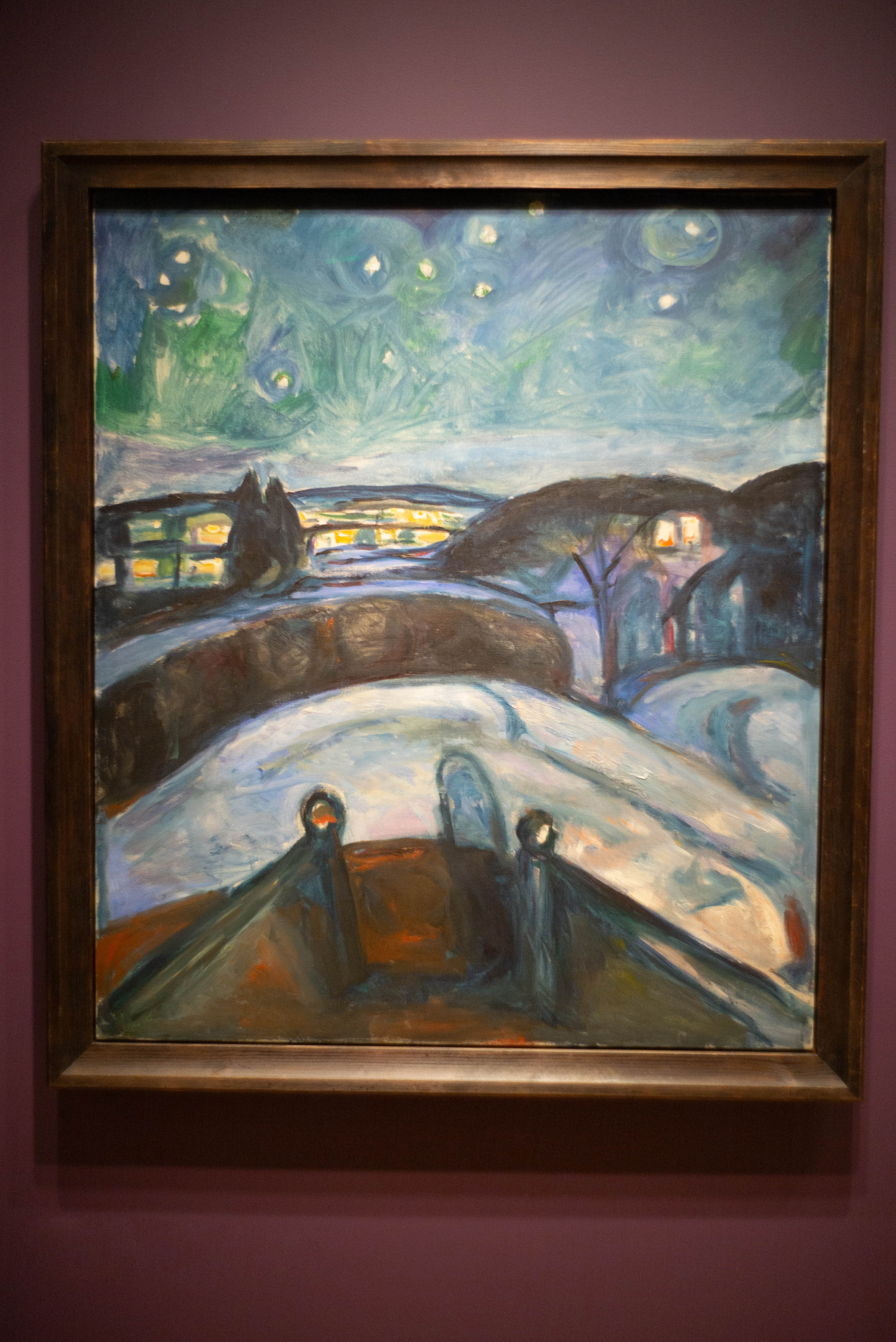
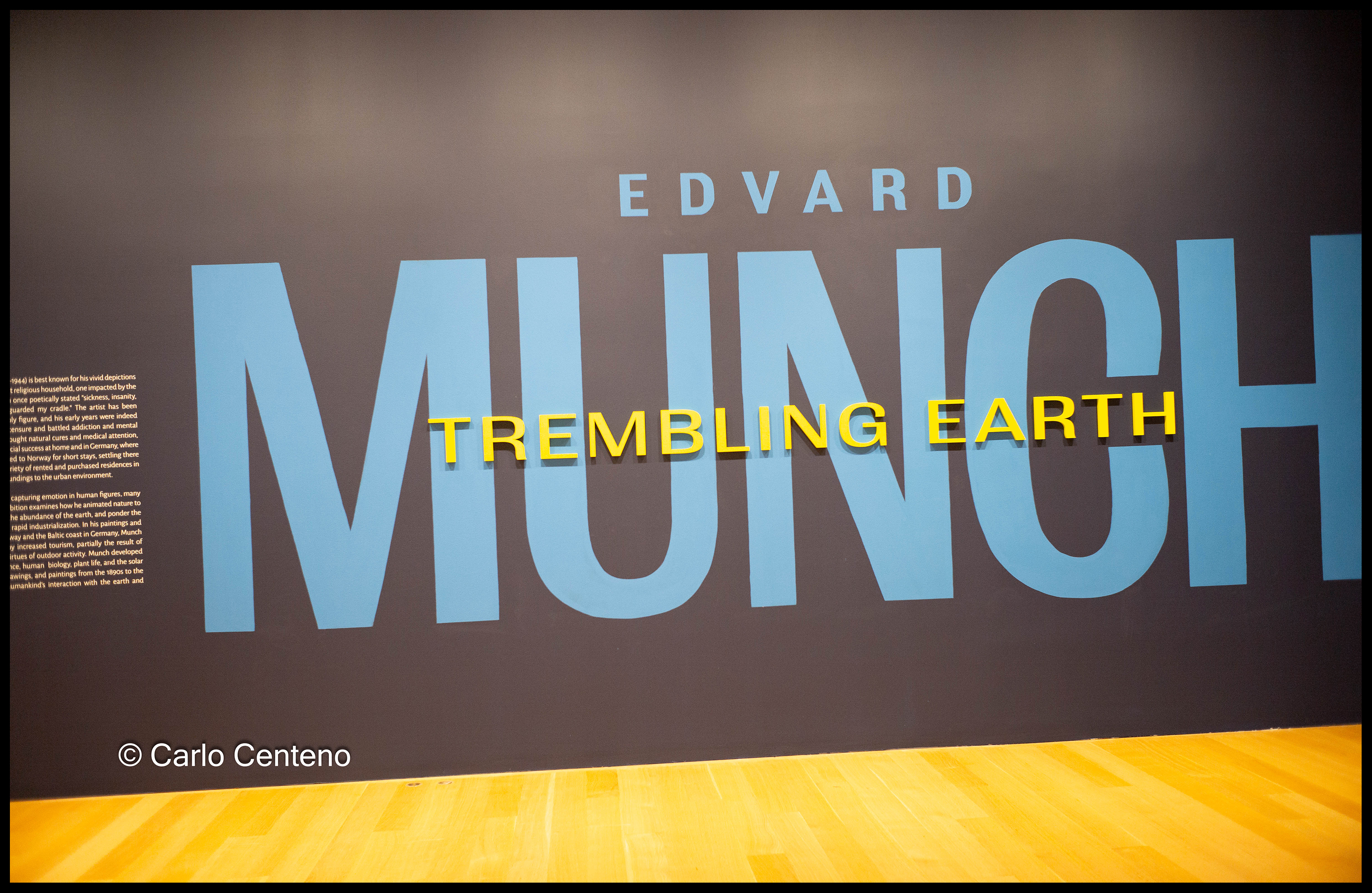
At the Clark Institute of Art, running through October 15, 2023, is a special exhibition, Edvard Munch: Trembling Earth. Munch’s [“Edward Moonk” Norwegian pronunciation] most recognizable, iconic painting is The Scream, and yet not many know of his other work which includes a number of self-portraits, prints, figure portraits and landscapes. The latter showed what he felt was a confluence of the natural world and humankind where nature provided a kind of salve that the urban environment could not deliver. The artist’s life contained the antagonists that shaped many of his creations: life and death; love and loss; loneliness and despair. And yet Munch as a protagonist, allowed us to see and feel the very antagonists that took hold of his deepest emotions.

I found the entire exhibit revealing if not eerily prescient. The power of art in all its forms allows us not to just see the obvious, but to measure if not ascertain a) what behooved the artist to produce his/her creation and b) what, if anything, draws your attention to the work?

Starry Night, 1922-24

While some of his paintings hint at Vincent van Gogh [1853-1890], there is a quality that makes Edvard Munch’s work stand apart: his apotheosis of anxiety, loneliness, longing and loss are indicated by the despair of his faceless human subjects. The hue of uncertainty and angst lay claim to troubled souls.

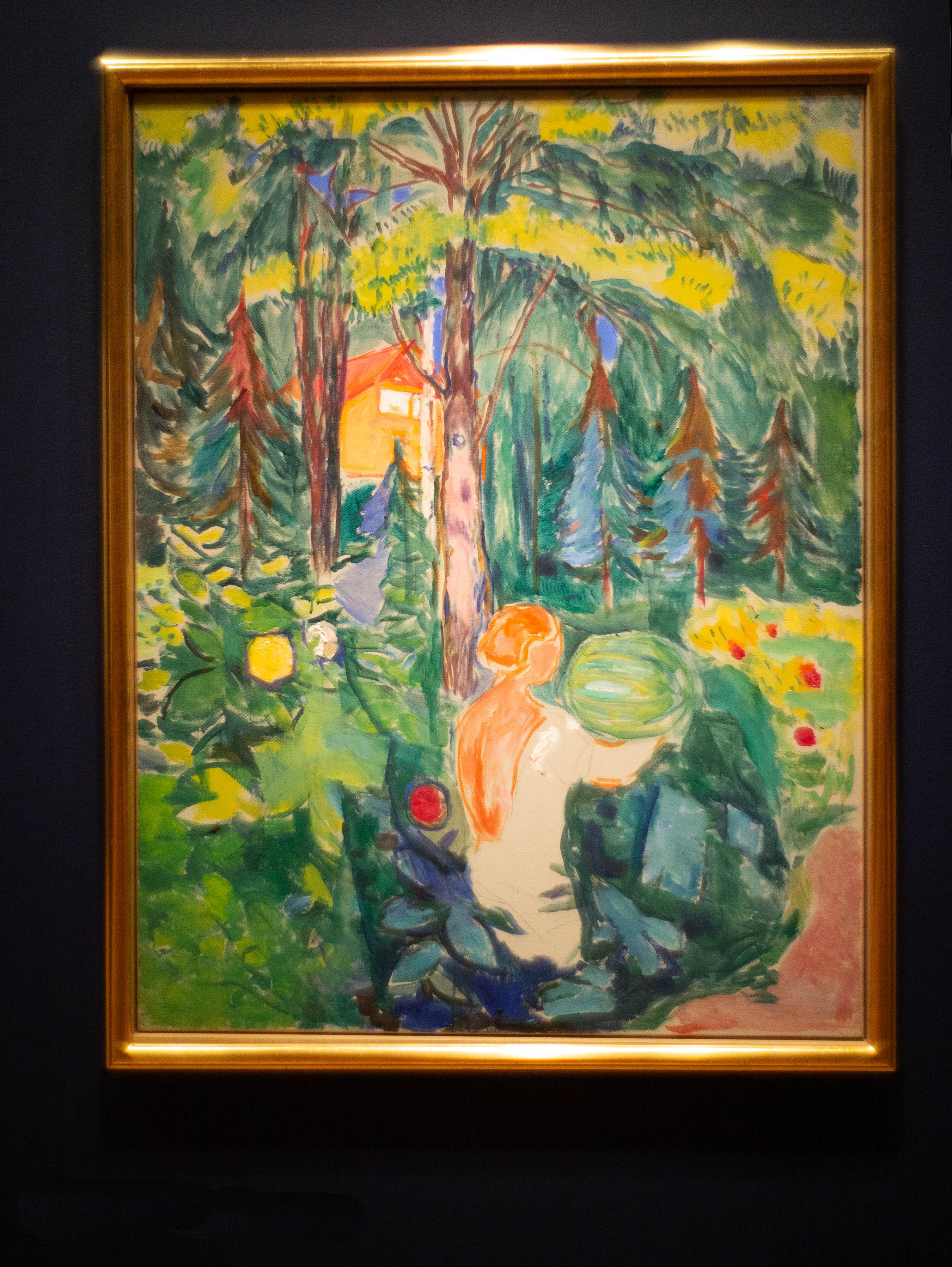
Woman with pumpkin, 1942

This is one of my favorite paintings, Woman with pumpkin. Its creation captures a sense of lost, and longing. The symbolism could be anything and everything. The pumpkin and the dark green color appear as if a person is holding the woman. Note the 3 “fingers” on the hip of the woman. In fact, the greenery next to the woman appears to be kneeling on its right knee, its “left leg” bent with a “foot” planted directly on the ground close to her back. Hence, the figure is resting its head on the woman’s right shoulder, the right arm suggesting a pillow.

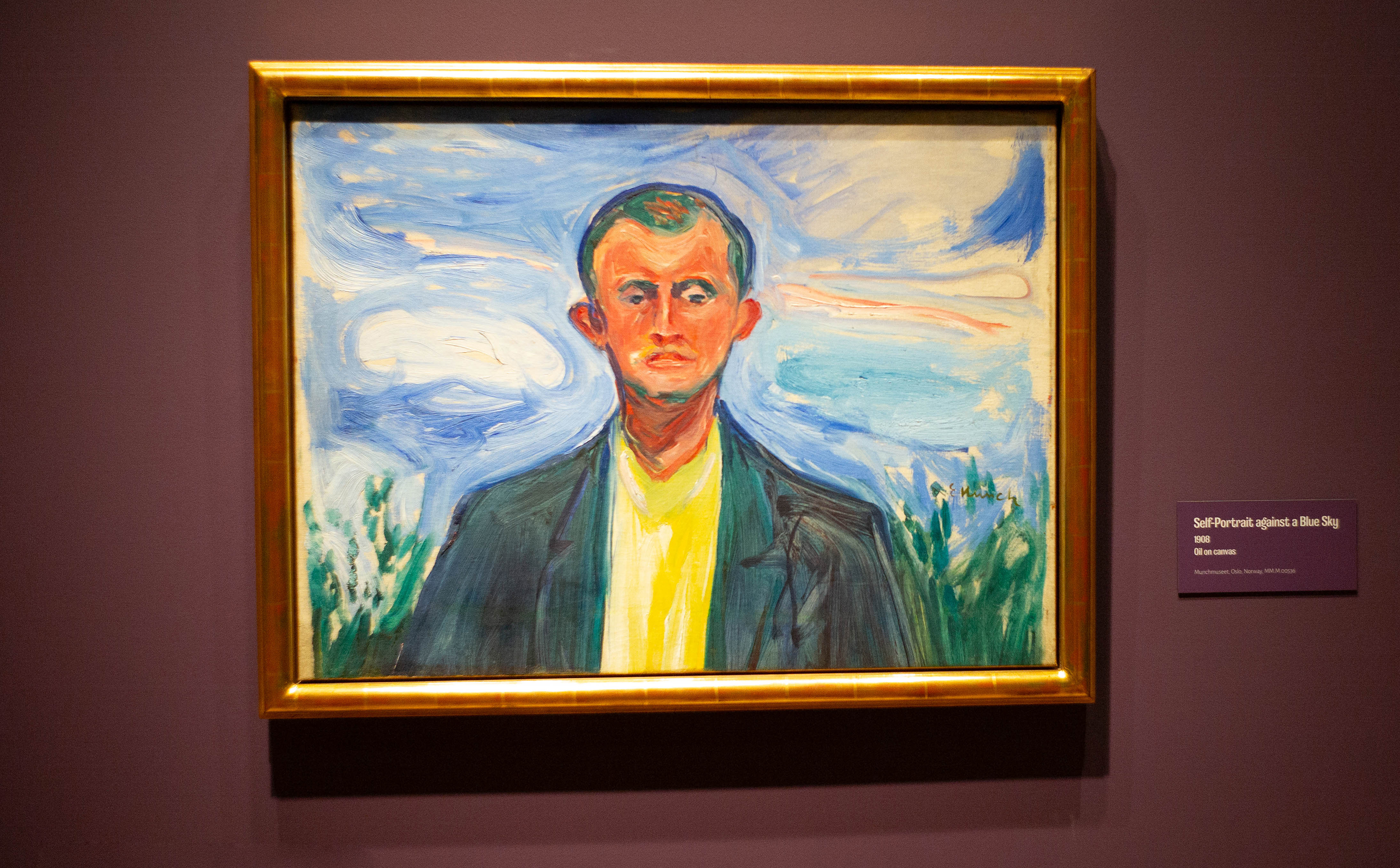
Self-portrait, 1908

Whatever you see and however you see it, Munch is a captivating study of conflict. You can feel it in most all of his works. The landscapes provide contrasts regarding our ability–and inability–to co-exist not only with the natural world, but with each other. Put another way, Munch is caught within an insatiable push-pull between the Id [our instincts], the Ego [reality] and the Superego [moral strength].

Self portrait with palette, 1926

No artist lives a life of order and predictability. It’s contrarian to that world of creativity and expression. Munch’s self-portraits demonstrate a fortitude within his reality that dices with the likes of the Id and the Superego. Each of us deal with the instability created by our instincts and morality, our actions and reactions, our angst and distress. In a way Munch’s paintings brings form to what is often abstract yet palpable, even vicarious and visceral.

.

Gatherings

Margaret Keller, Executive Director, CATA.

The Community Access to the Arts [CATA] never ceases to amaze me. Meaning, “the creativity of the artists at CATA is as exemplary, as contemporary and modern as Art can be.”

The artistic abilities of the artists represent their thoughts, feelings, perspectives and perceptions that are as strong and perceptible as any artist could produce. From perfunctory to profound, energetic to calm and peaceful, there’s a lot being expressed on the gallery walls. Perhaps the most obvious being that these artists–with disabilities–clearly have a way to express themselves.

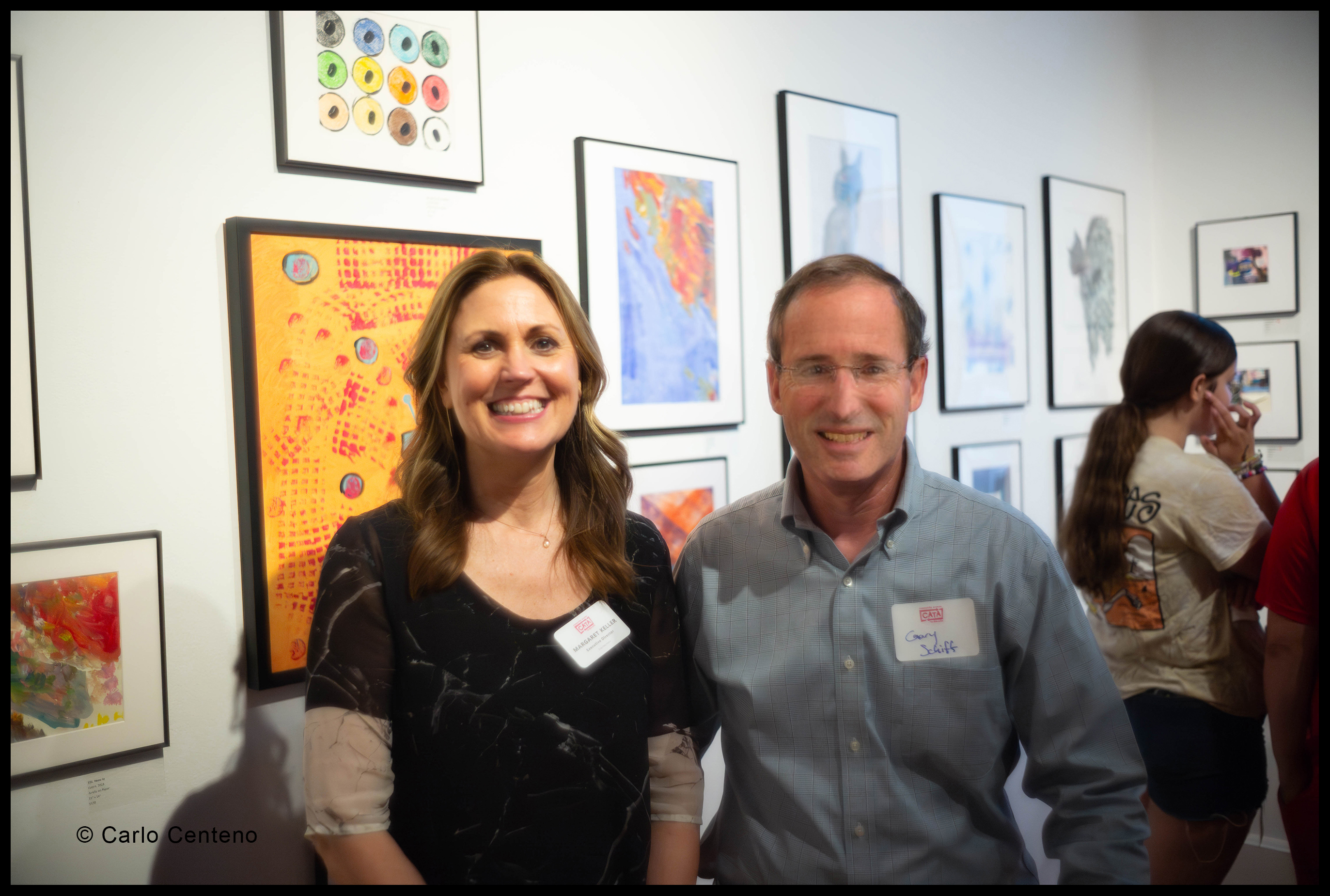
Margaret Keller with Gary Schiff, Managing Director, October Mountain Financial Advisors.

This opening recently took place at the Lichtenstein Art Center in Pittsfield, MA. Most all of the paintings are for sale and the artists receive a commission for their work. This show has much to offer, from small to very large using water color, oil, acrylic and ink painted onto wood, stretched canvas and other media.

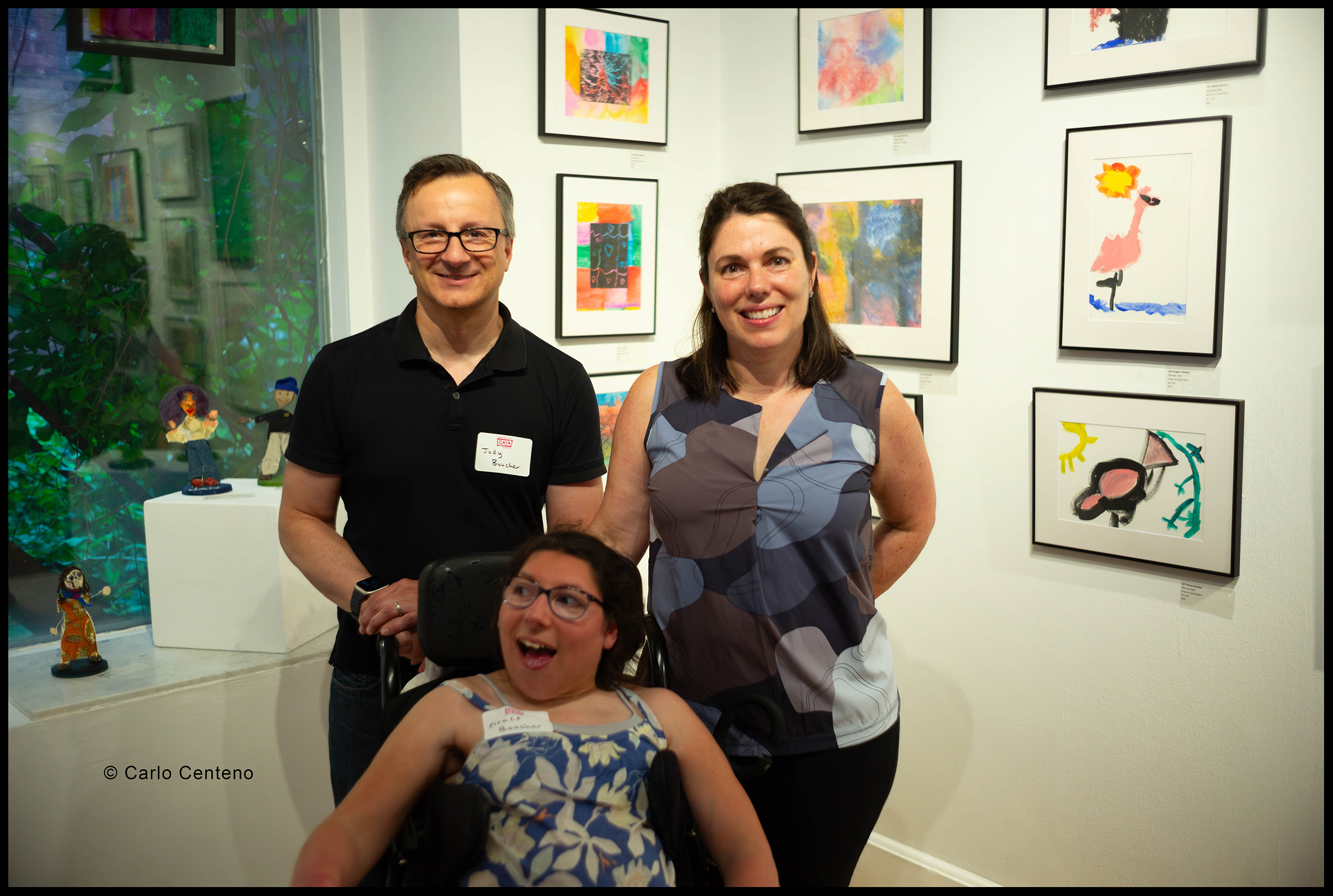
CATA artist Grace Boucher with parents.

Outside the gallery a boatload of rain just kept falling. It felt undeniably tropical; one moment a light rain, then clear, only to have everything overwhelmed by yet another heavy cloudburst accompanied by thunder and lightning. And yet the space was filled with friends, parents & guardians of some of the artists and loyal patrons and art lovers.

Kelly Galvins, CATA Program Director-Agency Programs

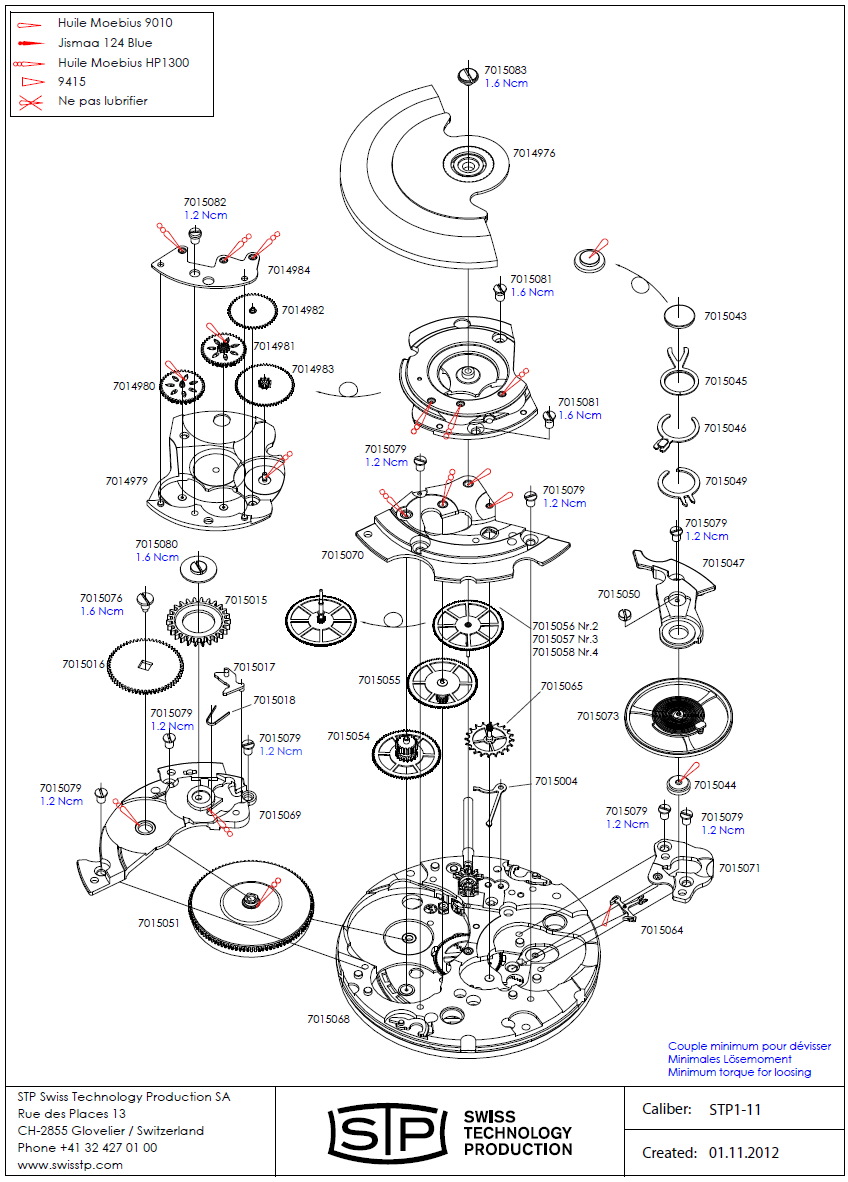
The success of any such gatherings depend a lot on those in charge of details. We all know that. I think of automatic watches, and how well they function. This organization [CATA] is akin to the dynamic of the workings of an automatic watch, self-winding [automatic] or hand winding only.

credit: Swiss Technologies Production

The sum of the parts is greater than the whole. Every component has a function, some specialized while others are a standard part to ensure the watch’s ultimate function.

credit: Patek-Philippe SA Geneve

Every person shaping an event matters. Just as an automatic watch requires springs, levers, meter wheels, escape & driver cannon pinions and so forth.

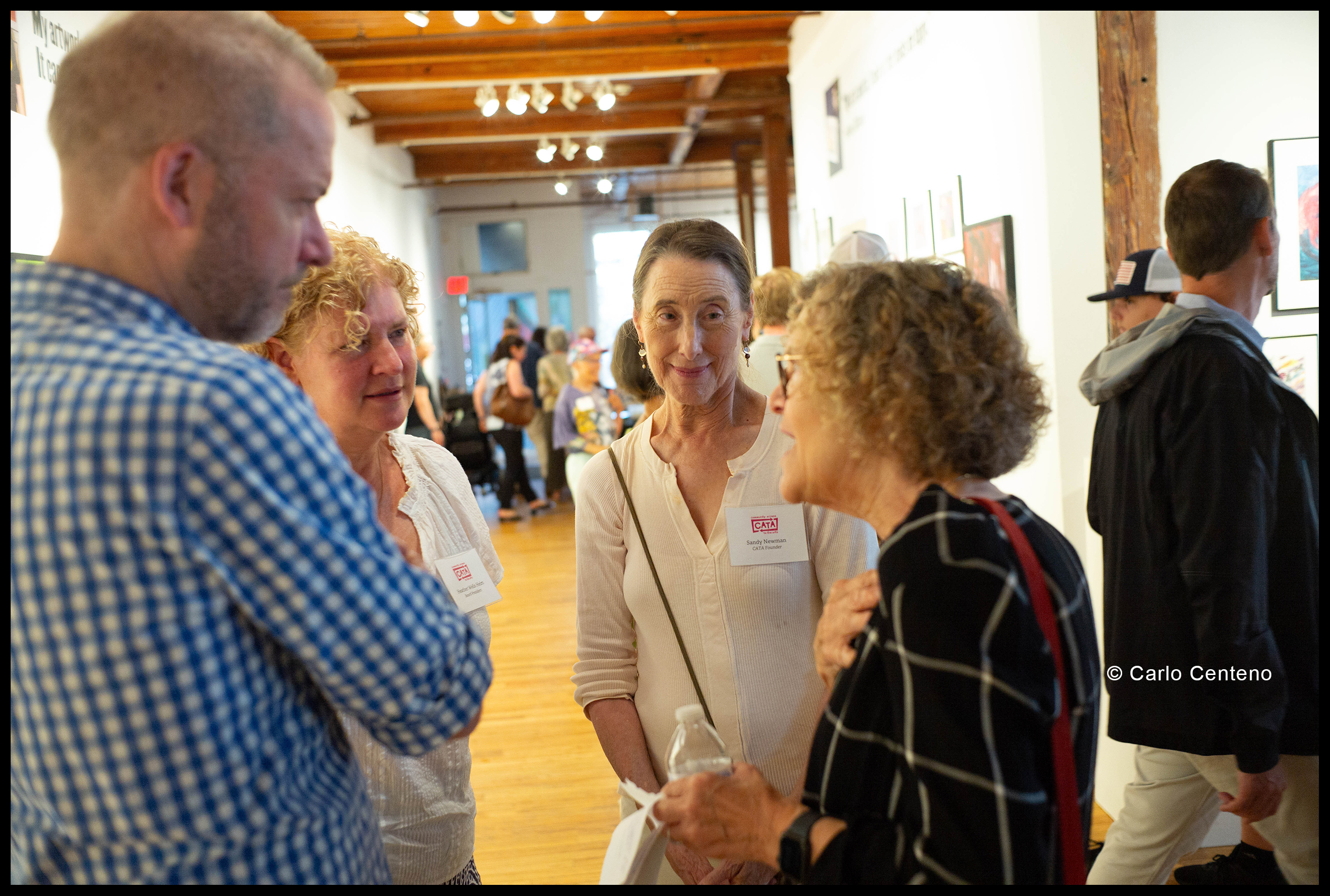
[center] Ms. Sandy Newman-CATA Founder

There needs to be synchronous relationships for many things to work: autos, machines, computers, watches and people. That quality of interaction relies on the functional capability of the part [or persons] involved.

Kara Smith, CATA Program Director [studios].
Ms. Michelle Goodman-CATA artist.

Meanwhile, there’s all this chatter about Artificial Intelligence [AI] with its potential and failings. Regulation? Monetization? Security? A bona fide threat to originality or something that can expand our ways of learning? In the end–and I do mean “The End”–nothing matters more than the people we love and care about, the interactions in gatherings familiar and new, and the way we contribute to being in the moment.

Get Closer

It was home back in the day. Situated on 48 acres, the “cottage” contains 44 rooms.

Have you ever tried to look at something right in front of you and discern one particular detail. It could be anything: color, shape, texture, scale/size, any specific object and so forth. I’m referring to a single element that piques your attention, whether the element is large or small, plain looking or colorful, simple or complex by design.
Naumkeag offers history, a feast for your senses and options to indulge in a location that’s an antithesis to our present-day way of living. So, with an unhurried pace, walk the grounds, examine the gardens, enjoy the vistas and of course the house that was the summer home of prominent lawyer, Joseph Choate and his wife, Caroline. They referred to their residence in Stockbridge, MA as a “cottage.”
You don’t need to be a cognoscenti to appreciate landscape design, flowers, stonework, or architecture. No agenda, just a dose of quiet time in a locale that puts you in the Housatonic River Valley, a place in the Berkshires as pastoral as any you’ll find across New England.

Naumkeag is a cornucopia of details. You’re offered a buffet of elements that rightfully distract you from monitors, traffic, deadlines, meetings along with other indeterminate noises. Granted the elements–or distractions–are innocuous, there’s a realization that having these very details shrink the less important, stressful elements that occupy your mind. Well, at least in my mind.

Where’s my focus? Is it obvious to you? Can it as much be yours as it is mine?

You might say this is an exercise in discernment, a way of sharpening perceptions, a means to refocus on other details/elements that may lead you to another level of thinking. The process is still your own, but this time, you’ve given yourself the beginnings of a map that’s genuinely yours.

A benefit of these sorties is this sense of life copacetic; in spite of the routines and doldrums, there are moments that are the opposite of what ails us. In the world of art and the written word, we can see and feel just about anything. Having a sense of place, in this space and time, not in your past and where the future is not promised to any of us, the now matters. That’s it. Don’t waste it. Appreciate don’t pontificate.

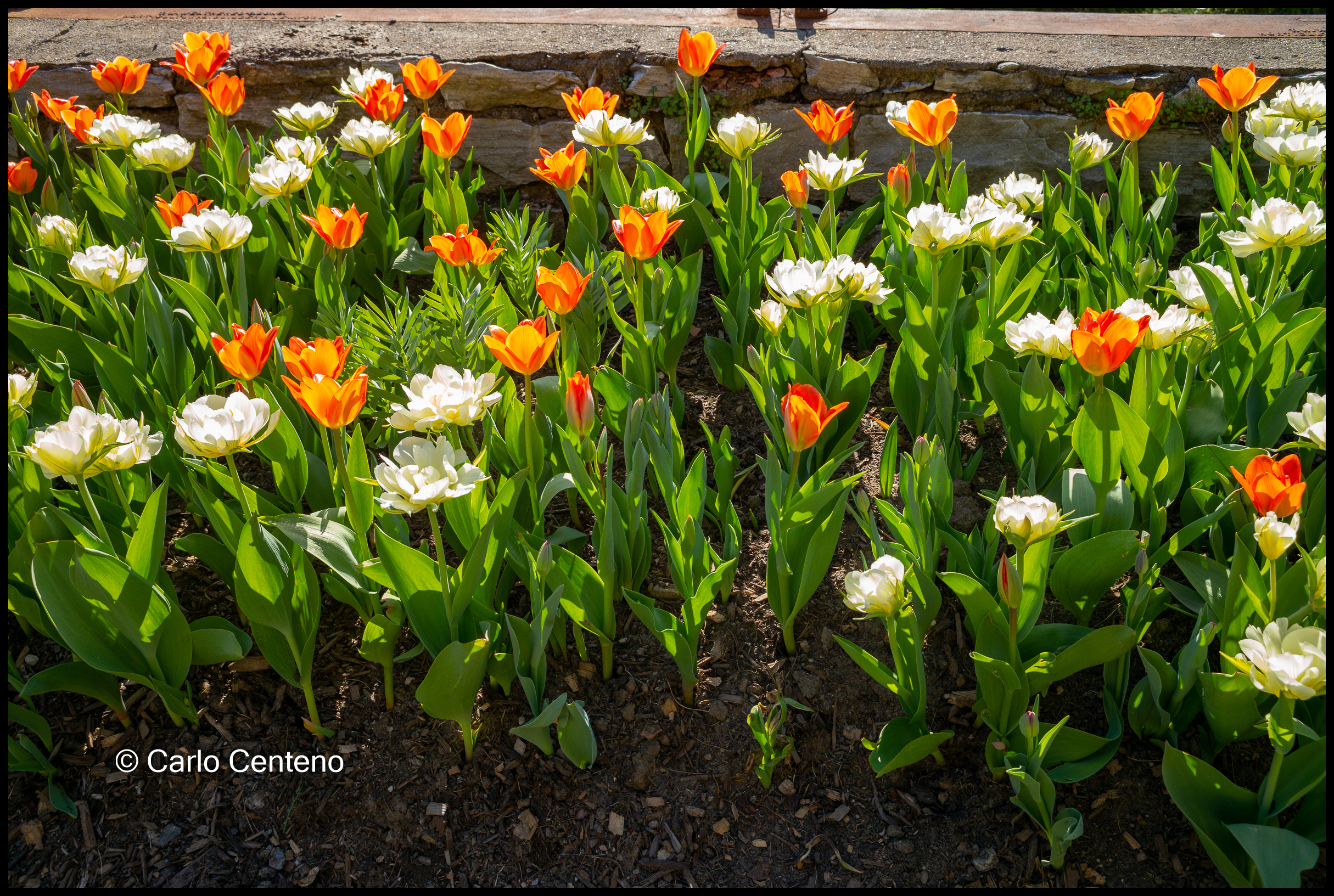
The exercise of pulling a detail out and away from everything else pushes me to consider and associate with another perspective of whatever detail I look at. The reds and yellows in the tulips appear even more intense when surrounded by the middle greys in the photographs. The broadleaf in one corner of the greenhouse looks healthy, in large part because of the depth of its green color. Nothing has changed really, and neither have the proprieties of the object or the surroundings. What’s changed is the manner in which you deconstruct details.

Those with a proclivity to capture details can notice more than what meets the eye. Beyond colors, tendrils of an iron chair, the gradation of a solid color to one of a lesser though similar hue, I tend to go toward an object, experience or what have you, that’s relevant to my personal history. You might say it’s akin to a word association game, a yin-yang of opposites as well as things similar.
The associations can be personal, simple or complex, a source of light-heartedness or burdened echoes ruminating within your memory.

This is a modification of the immemorial saying, Stop and smell the roses [or tulips]. Instead, reframe your perspective: You can see the big picture, but details bring you closer to the value of the picture.

…and when that fog does lift…

Observation and interpretation of anything is very subjective though in commercial and advertising work, that which is deemed creative and acceptable are often determined by the art director, sometimes by the account supervisor on behalf of a client. Actually, the person who has the last word is often not the illustrator, photographer, videographer, writer–or in today’s parlance–the content editor. In my experience, the buck stops at the client’s desk….and oddly enough at a desk occupied by someone with a tangential connection to the project, perhaps rare, but it happens. “I think it’s clever, why don’t we run with it?’

Now, if the creators of verse and image are the clients, then the advent of blogs and vlogs have given these clients the control to post final versions of whatever is being created. To have complete creative control is nothing short of invigorating if not self-serving. Being both client and creator is double-edged; not surprisingly, creators can be the hardest of critics, at times being so critical of their own efforts and results that projects crawl to a stop. Paralysis-by-analysis, imposter syndrome, go figure.
So, when your creative fog lifts don’t meander thinking you’ll encounter an epiphany. Yes, at times that does happen when the creative block lifts, and you’re greeted by some nugget of an idea. If you’re the creator and the client, then it’s incumbent upon both personas to look at your product/content with equal scrutiny. Both minds, while driven by other factors, do have a common intersection. Think of 2 circles, one overlapping the other. In that small, shaded area is where the diaspora of sales, marketing, advertising and more are all blended together.

I think of that creative block, that fog, as a layer temporarily covering my creative line-of-sight. It does lift, so be ready.