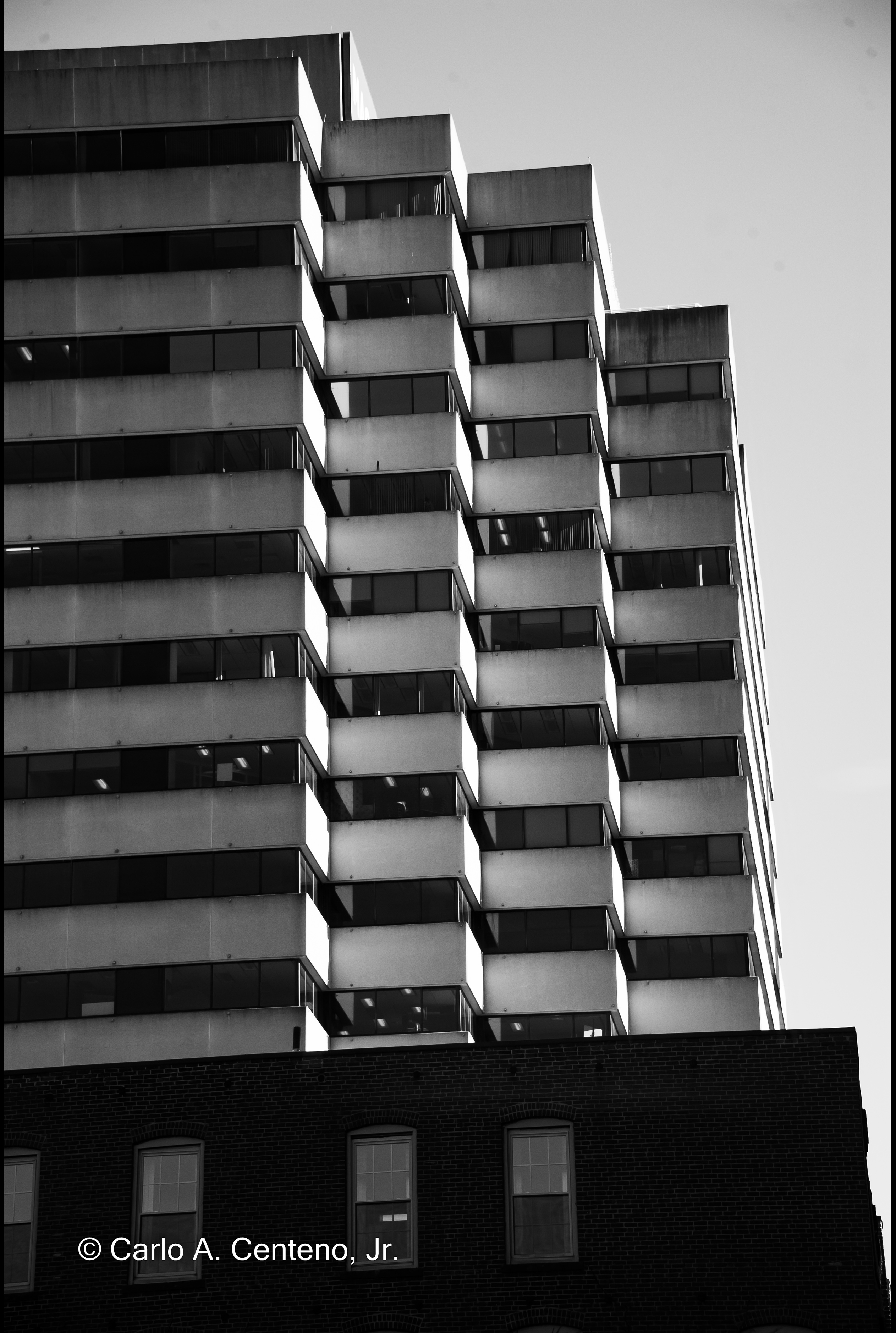
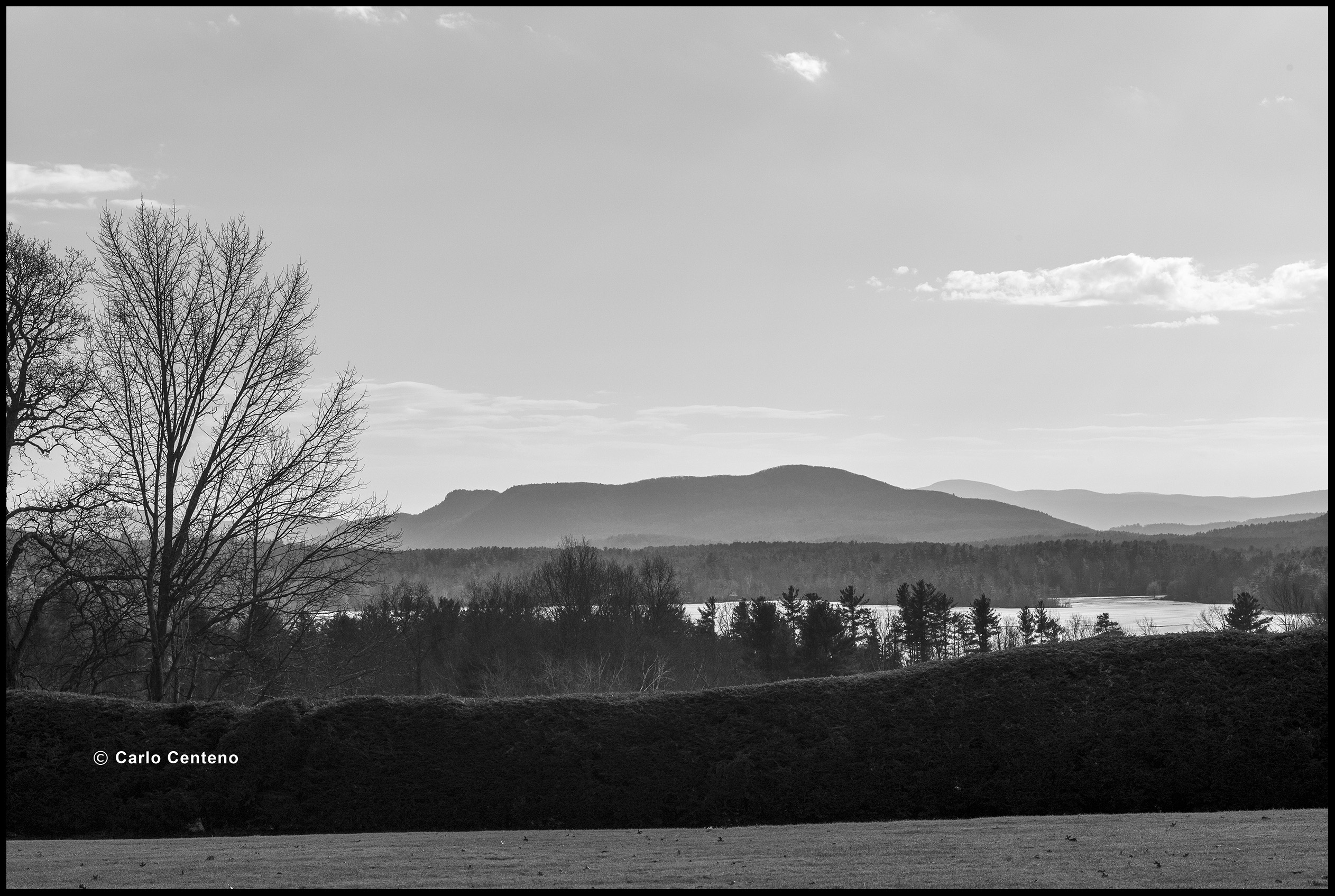
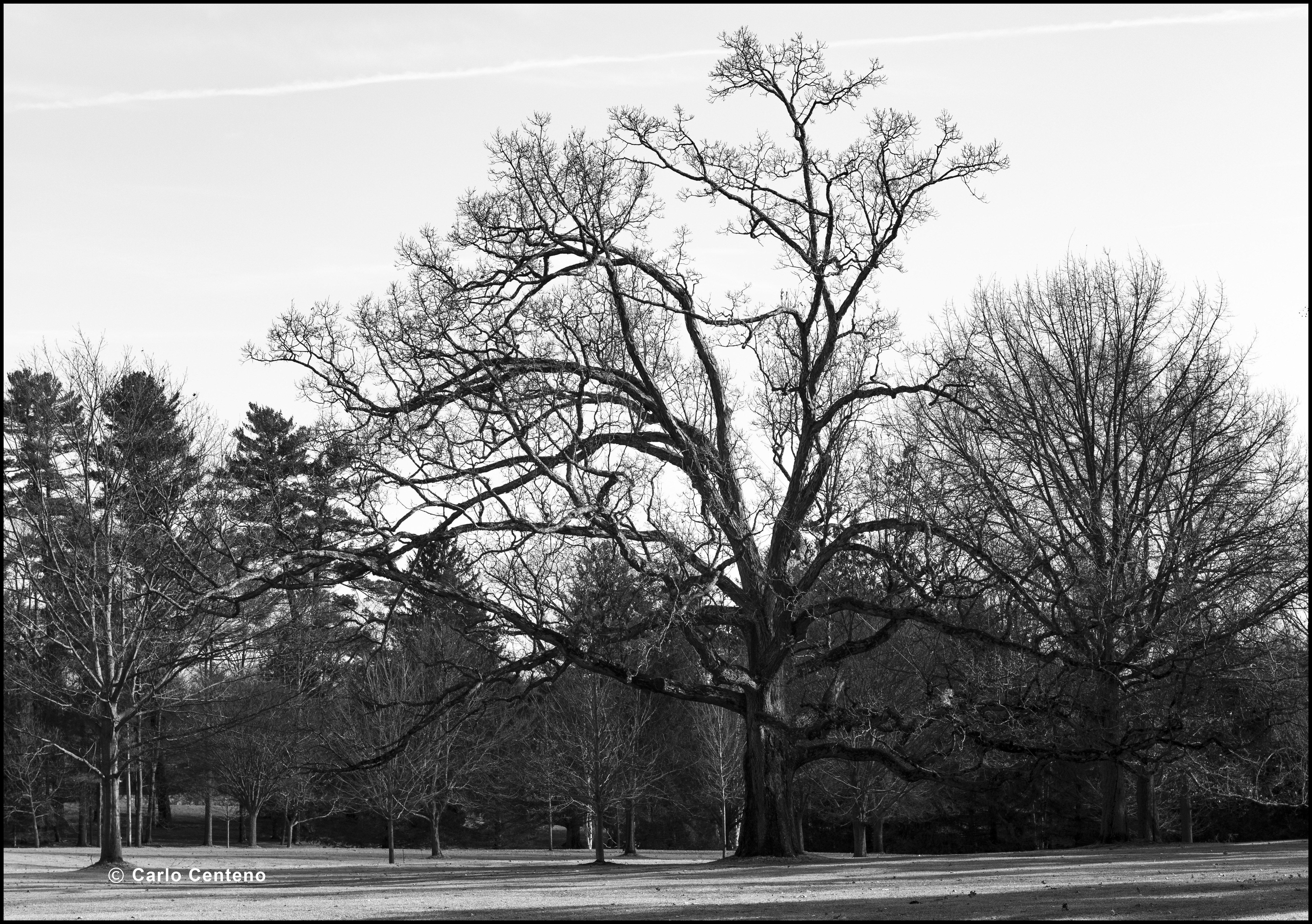
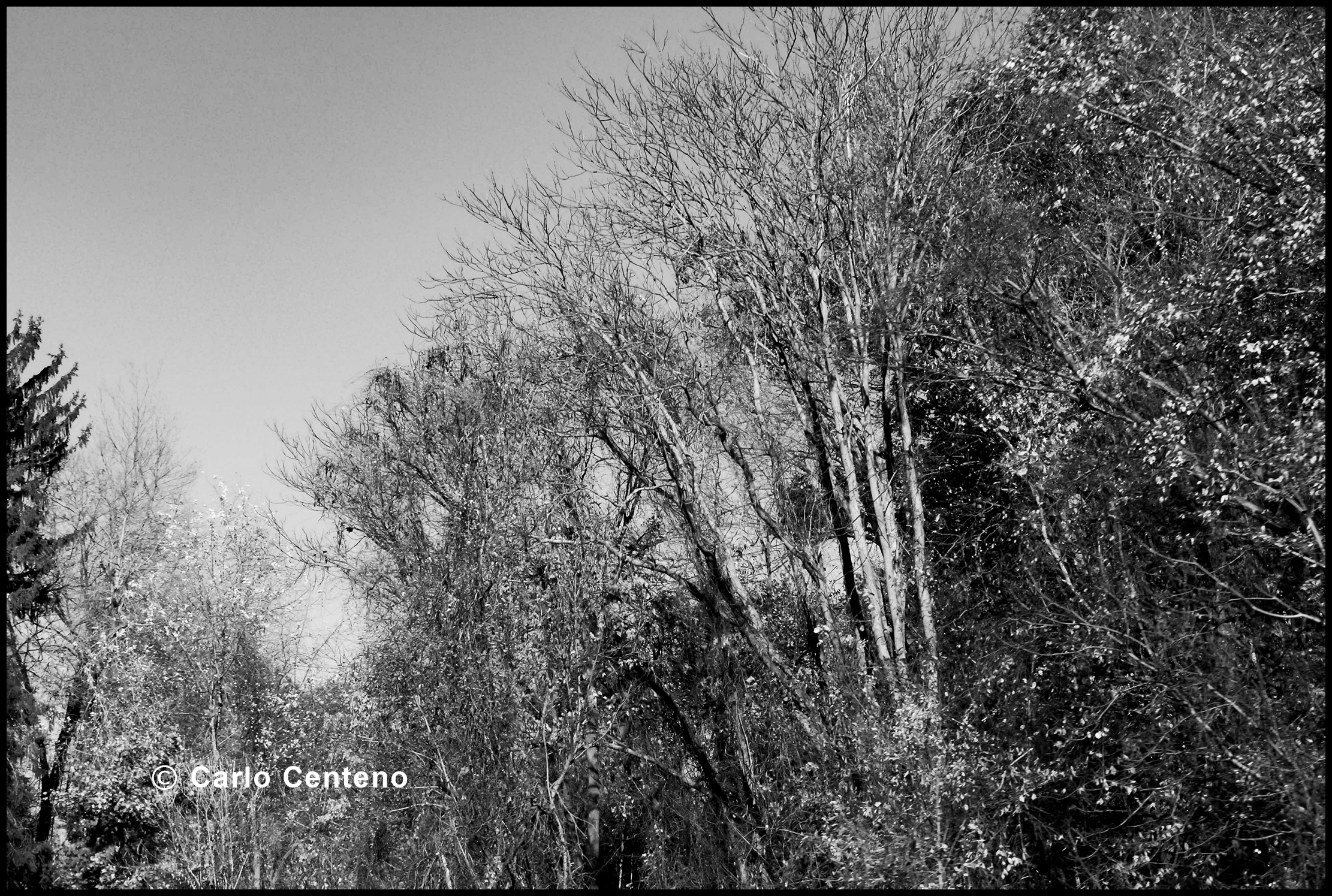
WinterLight-2

I’ll admit that it can take a lot out of you when winter conditions pin indicators below the norm [temperature, wind chill], or above the line [accumulation and severity of snow/freezing rain/sleet]. By February, a good number of folks are pining for—some hoping through a telekinetic event—the arrival of spring.
Yet in spite of our incongruous sentiments about winter, its been said that residents of Scandinavian countries can make the best of it.
Perhaps their overall acceptance of this perennial cold, snow and short days has something to do with the their countries having “the happiest people in the world.” Is there an attitude, a perception that we’re altogether missing? Warmer clothing compared to ours?

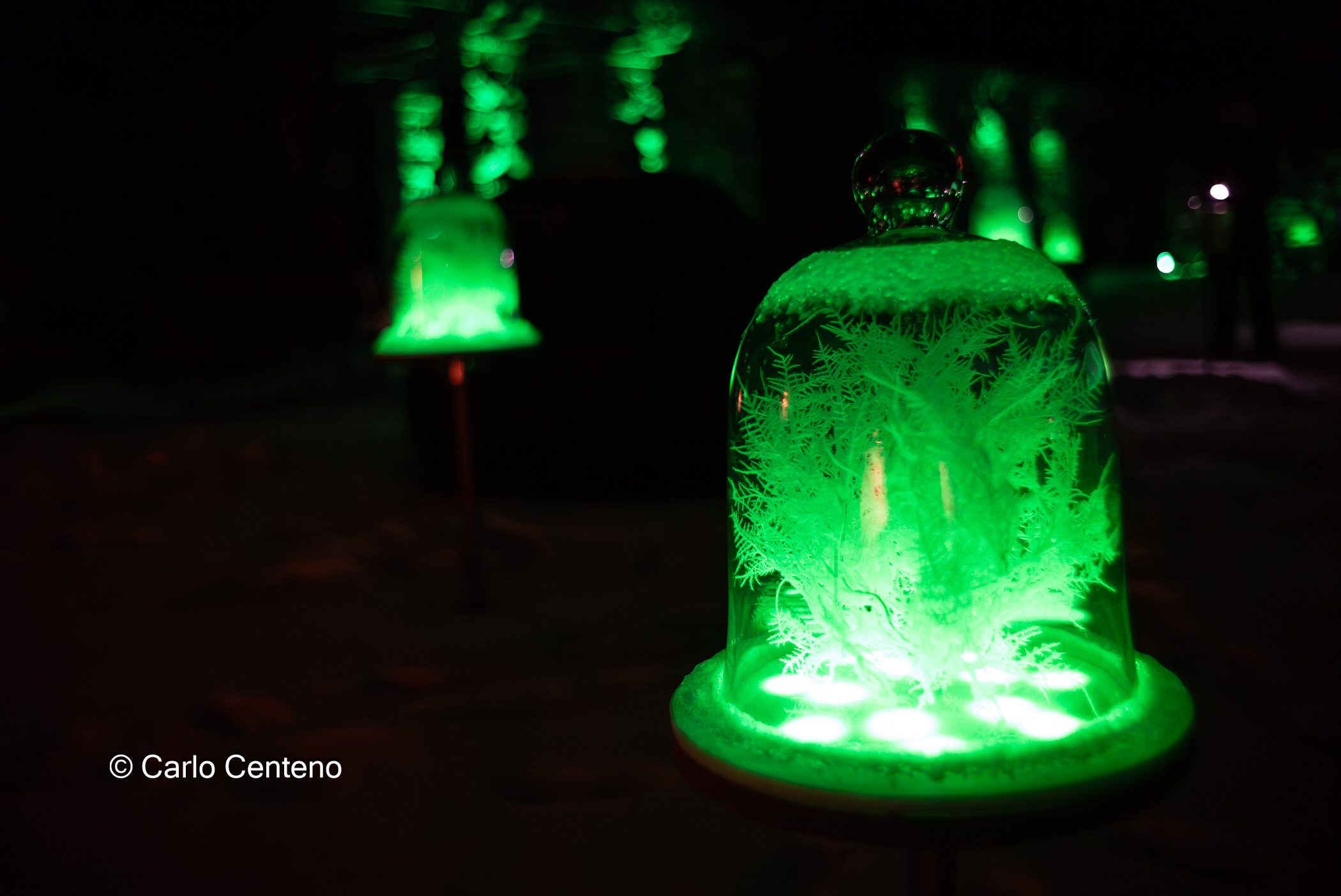
We’ve [me and my wife, MJ] made treks to the Berkshires all year long with additional stops during winter. Some of these stops included special outdoor exhibits of which 2 come to mind: The Mount, Edith Wharton’s home, and also at Naumkeag Estate. The photos posted here are from Nightwood, and it was a wonderful stroll along the garden pathways and woods at The Mount.

Appropriate winter clothing makes a big difference; it does get colder in the Berkshires. Key details: wool sweaters, base layers, even hand warmers.
Along a mile-long path cutting through the woods and gardens, the exhibits appear like waypoints on a map. Each installation carries its own interpretation of light, while an original music composition aurally ties everything together.
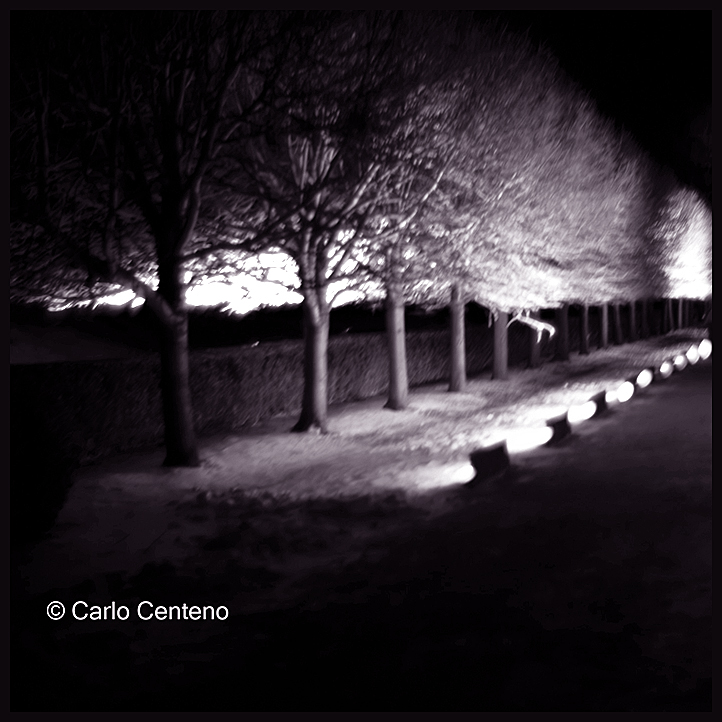
My interpretation of The Mount exhibit centered around the intensity of each installation, vis-a-vis the light itself. Using B&W images had provided [for me] a key, old-school tenet of imagery: simplicity allows interaction between the visitor, and the subject at hand. Put another way, monochromatic images transcend continuity. Color images offer validation to what we see because we readily see color. Yet color can be distracting. Not a slight, but just a matter of fact.

For me, I’m drawn to B&W images because of its tonal consistency. Black & white does not have the influence of color, and yet allows me to see the entire image and all its nuances.
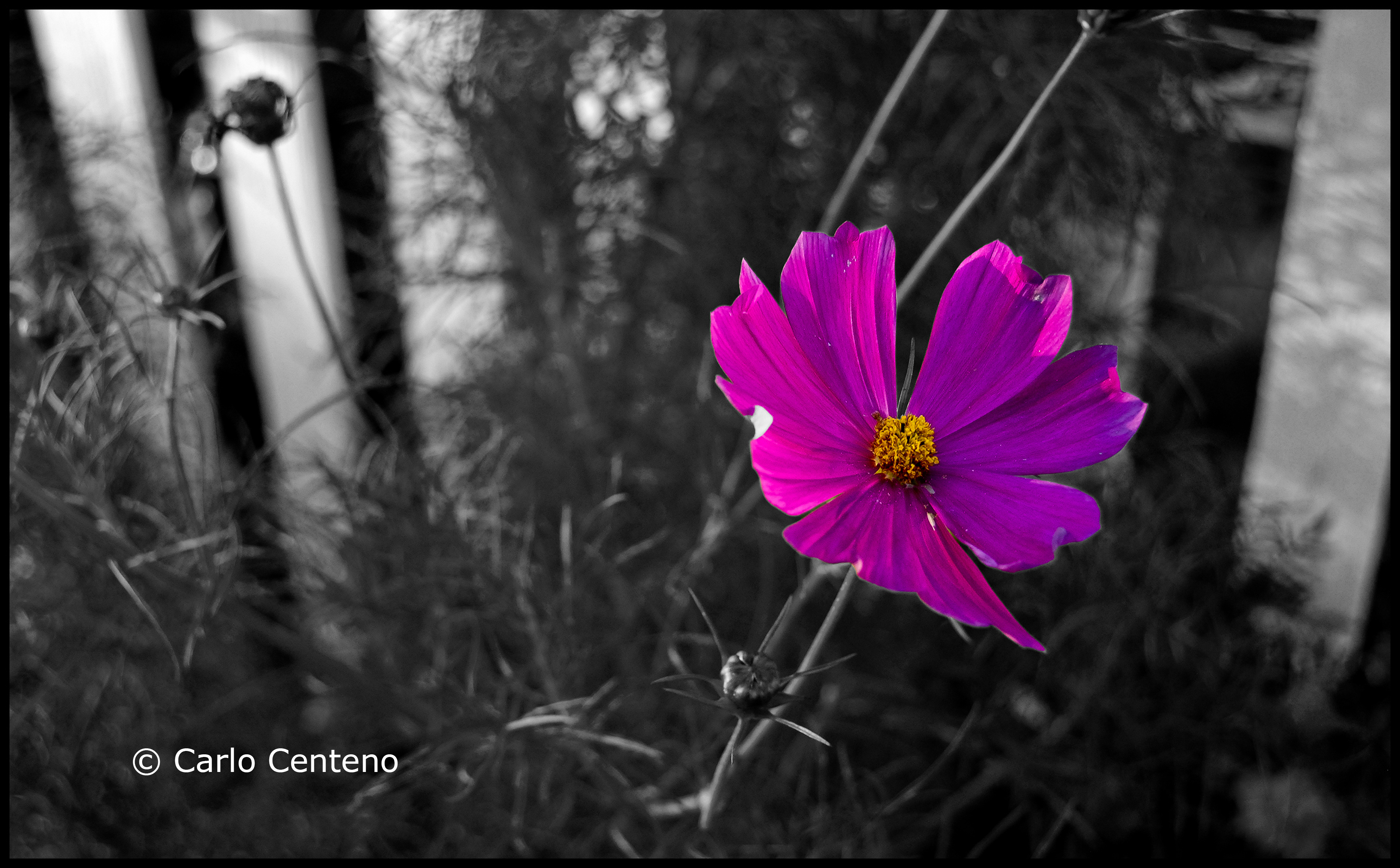
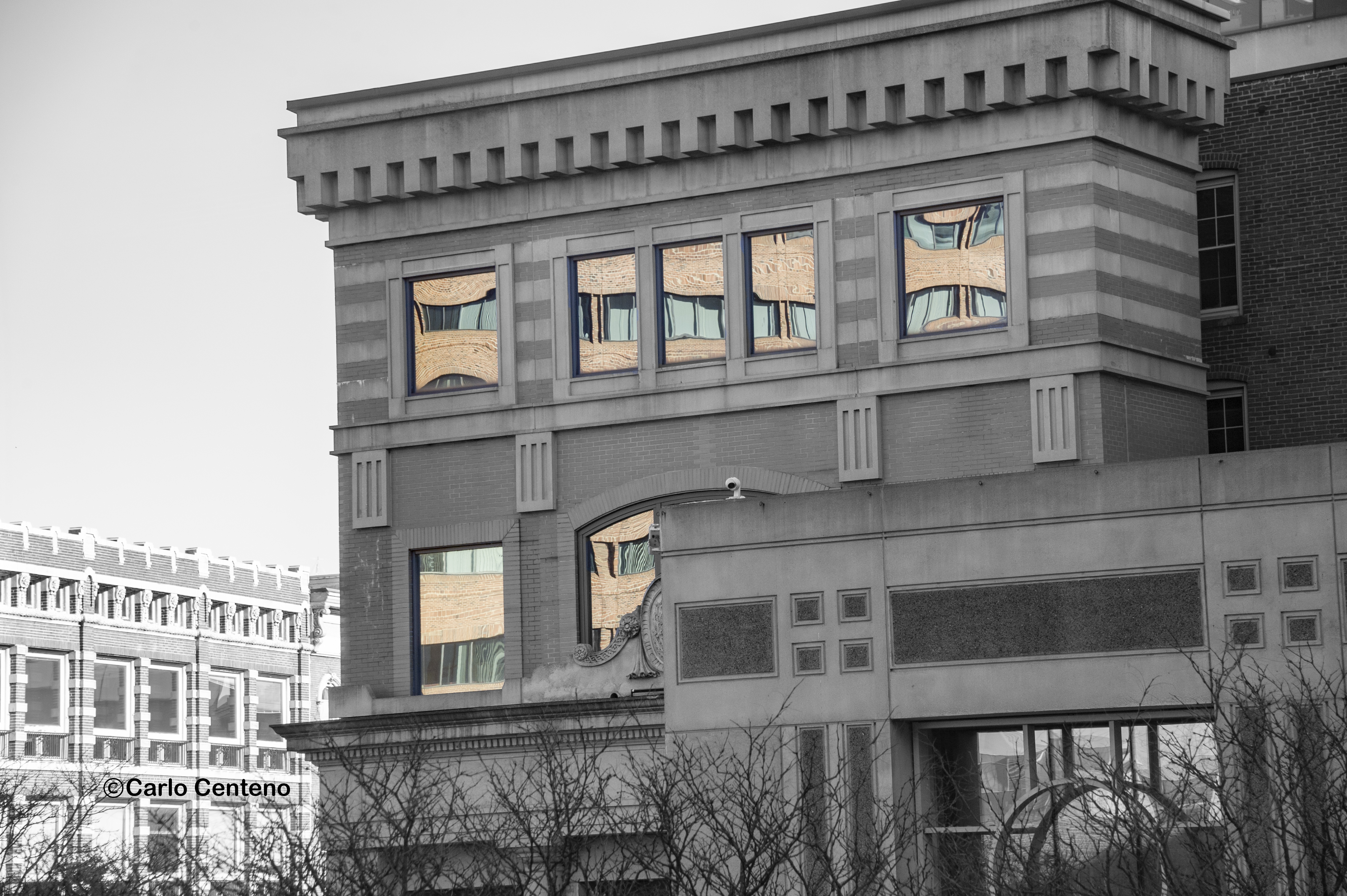
I, along with others like color images , but there are times when color feels more like a distraction. A single color that’s part of a smaller detail is enough to pull you away from the whole and down into a rabbit’s hole. Still, B&W does have a way of binding together the elements that make up the photograph, all within the inimitable, ever valid black & white palette.

Winter Light

[Dylan Thomas, poet; Do not go gentle into that good night.]

Do not go gentle into that good night,
Old age should burn and rave at close of day;
Rage, rage against the dying of the light.

Though wise men at their end know dark is right,
Because their words had forked no lightning they
Do not go gentle into that good night.

Grave men, near death, who see with blinding sight
Blind eyes could blaze like meteors and be gay,
Rage, rage against the dying of the light.

And you, my father, there on the sad height,
Curse, bless, me now with your fierce tears, I pray.
Do not go gentle into that good night.
Rage, rage against the dying of the light.

Consciousness in the Age of Irreverence

I’m not alone on this one, but it seems that many channels of communication [discussions, social media and various online postings, news media, e.g.] are quite inhospitable. Of course not all content is an incorrigible exaggeration, but it does seem that we’ve gone myopic of a rule that involves interaction and in particular, discussion, between different POVs. Essentially, such discussions are cleaved in 2. There are some instances where discussions cannot abide with the adage, One can disagree without being disagreeable.

Ironically, much of what we do that makes us feel lost, infuriated and misunderstood is, indeed, something that’s very human. And of course, we can be intractable and obstinate just as we can be manageable and flexible. It’s been said that politics and elections are catalysts to conditions of inflexibility, among other reactions and situations.

Consciousness Fine Tuned

Being aware of yourself and how you think about everything around you is uniquely yours. There are a few theories which attempt to explain consciousness, but one written by a researcher at Boston University School of Medicine is one which mortals like me can comprehend.
The end of October has rendered our landscape into a wonderful palette of autumnal colors: the reds, orange, yellows and hues in between are as beautiful as I’ve ever seen. I share this because watching and/or listening to the news is taking the wind out of my sails. So, to fine tune [or tune out] the bad vibes plaguing airwaves, print, and online, I retreat to places where I can hear my thoughts and submit to various feelings coursing through my consciousness.

You could say that I’m “rebooting” my consciousness, but I feel it’s more like a “recalibrating” effort to keep my sanity more or less where it’s supposed to be. The quiet and calm of places such as these act like a rheostat where mood, color, the smell of the air and so on can be dialed up or down or not at all. In doing so, I’m reminded that the angst raging between factions entrenched in ideologies are obstacles for realizing a common good. The greater good lies dormant, restrained with indifference and the stubborn personas that make life uncomfortable.

There’s no denying the subjectivity of consciousness, but there are constructs within it which allow for common ground. Without those common constructs co-existence would be, in a word, Sisyphian.

I look to writing and chasing the light, feeling immersed with either one or both, to purge distress, sadness, loss of concentration, etc. Certainly, when your mind is busy with something good, a good that pulls you away from angst, then jump in.
I won’t be chagrined by situations beyond my reach. It’s a waste of energy and time grinding about things I cannot control. That’s easier said than done, but I remind myself to ruminate less on what weighs me down and instead examine alternatives that have helped me before.

Can anyone deflect dissonance long enough to find even the smallest gesture or comment that closes distance and transforms distraction into possibility?

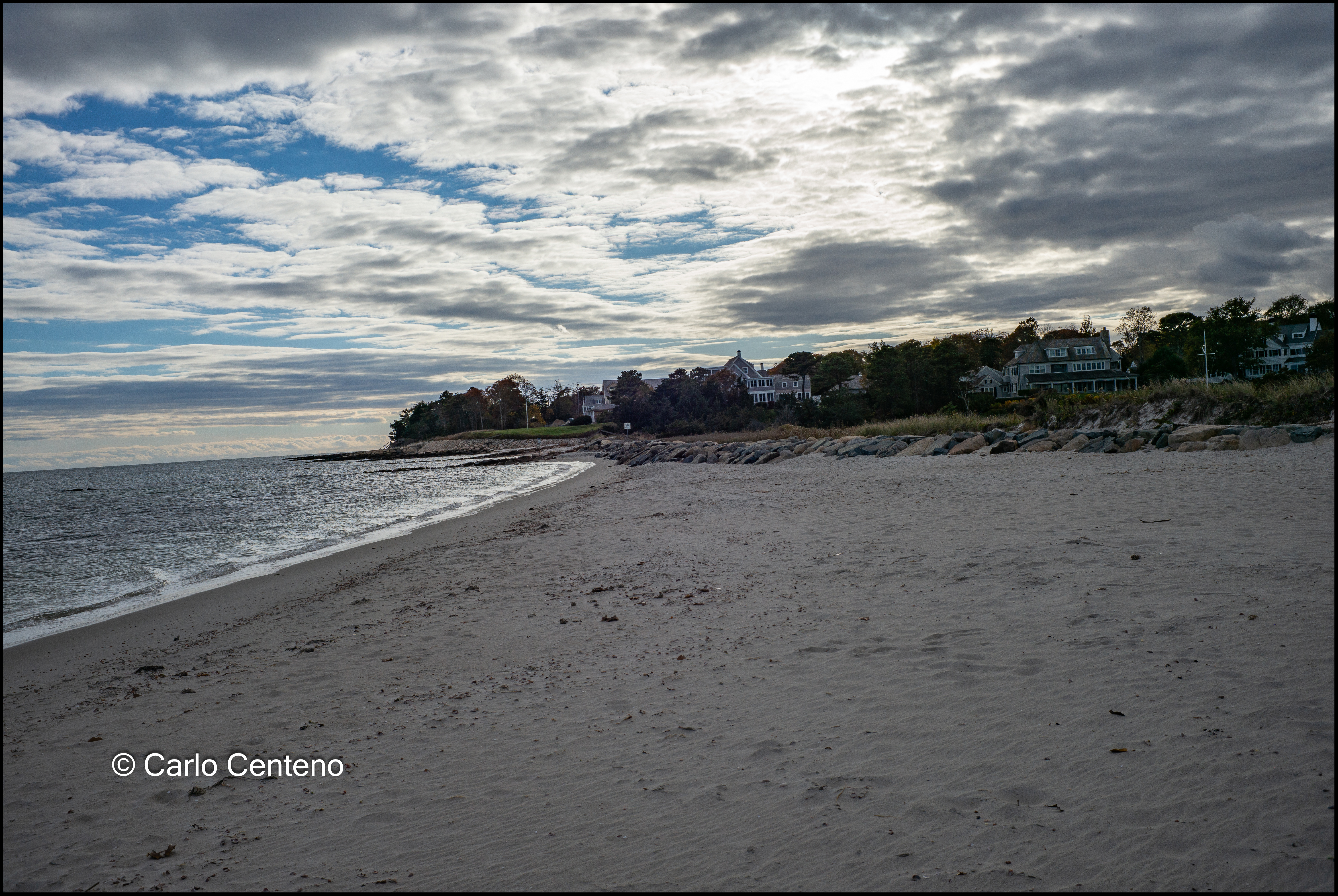
I relish the 4-seasons here in New England. I have preferences for the times in a year that are cooler and less humid, but I also welcome activities and distractions that come with the other seasons: longer daylight hours, trips to Cape Cod in Massachusetts [salt water and salty air are genuinely therapeutic], visits to the Berkshires and so forth.

How do you take care of your sense of–or even recalibrate–consciousness?

Fog aka creative block

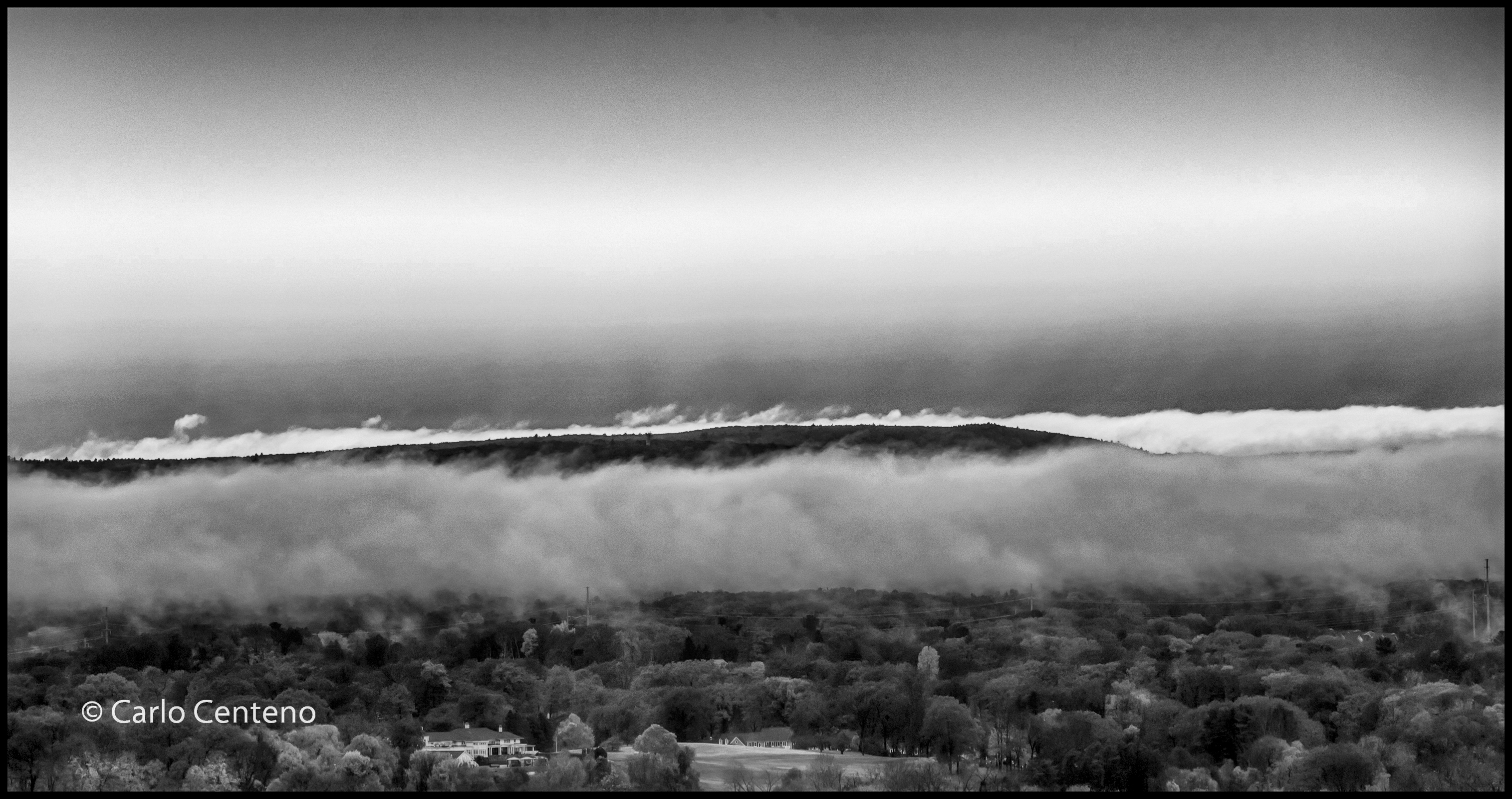
This is the view from my office. Because this window faces north, changes in weather often come this way, and today was no exception. A front was slowly moving through bringing with it some drizzle if not showers and a pinch of wet snow for good measure.
I go through some days feeling creatively barren, as if covered with a fog. My brain cannot keep focus of what’s important, nor can it generate a spark of an idea. I’d welcome a nugget of thought that morphs into a theme, a sentence, a paragraph and even a photograph.

When that kind of fog moves in, I used to double down on my brain as if I could purposefully, indeed consciously command by merely thinking, “I need something to work with here! Get it off the ground.” A couple mugs of green tea or coffee later, nothing appears on my creative radar.
And so I apply a way of thinking and visualizing to help reveal something/anything beneath that fog. I imagine what’s lying beneath not only my creative fog, but the cloak draped outside my window. Somehow the symbiosis of such processing helps clear my brain fog. It doesn’t reveal something monumental; it’s not a Eureka! moment at all. Some real right-brain elbow juice comes into play. I’m from the school that believes there’s no such thing as a “dumb idea or answer.” Possibilities abound depending on your attitude.

The transition time varies, sometimes in an hour, other times a day or 2 later. I suppose other efforts have probably taken longer to render that creative crumb-of-an idea or concept. If I knew how to sketch, perhaps it would be easier and at times faster to arrive at the idea. However, it’s just the way this person works. Not very exciting. The excitement–if you can call it that–is more a feeling of relief and satisfaction.

Whether I’m looking at a blank sheet of paper, a clean page in my journal or through a camera viewfinder [yes, very old school this guy], I sometimes think of Occam’s razor, a philosophy that states when troubled with competing solutions or ideas for a desired outcome, often the simplest version is the very solution that makes sense.

Trompe l’oeil

Marketers and consumers share an underlying condition that produces second-guesses to decisions and even behaviors. In the realm of behaviorists, psychologists and therapists, this is often referred to as, cognitive dissonance.
Though the condition is often used in psychology/psychiatry, the right-brainers in marketing can take certain liberties in applying the essence of its definition to feelings and behaviors in our consumption-driven economy. What shapes your decisions and expectations when you buy something, work on a project or to make a single decision at a given time? What influences your “…on second thought, I better…?”

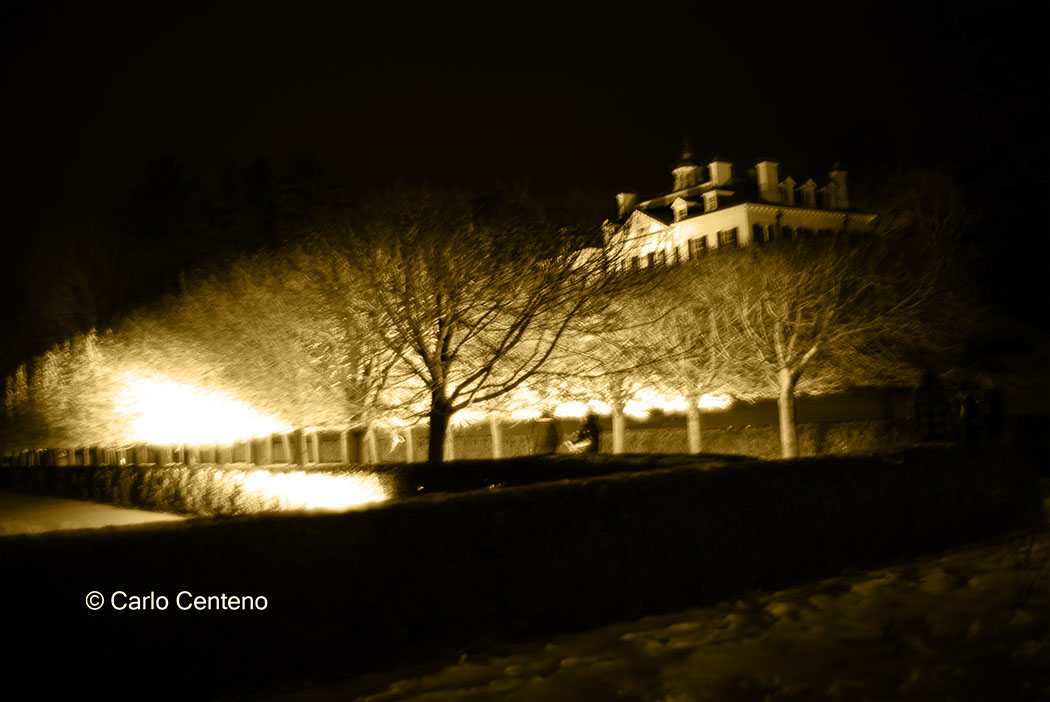
As I’ve noted in previous posts about marketing, it’s not what you’re actually receiving, but what you think you’re getting. This is a stretch, but at times I think some marketing is a form of trompe l’oeil. Are the cluster of lights actually on the bare trees?

Like a product attribute [example: price equates to exclusivity…though it can certainly suggest something else]. Do the light projections draw your attention? Or do you first see the small cluster of lamps in the lower left? Are the lamps somewhere near the building? Or suspended close to it? Clearly direct sunlight is apparent on the face of the building. Which light source peaks your curiosity?

There are numerous examples of classic trompe l’oeil art such as the one painted by Sameul Dirksz van Hoogstraten entitled, Still-Life. It’s a timeless piece, one that can feel more contemporary than its 360- year age might suggest.

courtesy: ARt and Object commons
Still-Life, 1664 by Dutch painter Samuel Dirksz van Hoogstraten

Marketing can, indeed, fool your eye. The pima cotton sweater I saw in a catalog looked like a keeper….until I tried it on. Fortunately, returns are the norm for many online purchases.

Bare Trees

The changing seasons has a way of rebooting my perspectives on life’s moving parts. It’s also an opportunity for me to find, even create, connections that could lead me to alternate choices about work and family, problems and challenges, as well as my own professional and personal goals. The fall suggests possibilities with a palette of colors where each one suggests a sentiment to whatever I’m feeling or thinking. More often than not, I make one, perhaps 2 attachments of color to an idea, an attitude, or even a condition that’s been entrenched in a mood of some sort which I cannot correlate or let go of.
However, when the maples, birch, oaks and other trees reveal their once covered limbs, I see a “wireframe” ready for a season of open air, of white space and a period of quiet and rest. Once again, it’s a reboot of sorts given the visual clues of autumn.

From a distance these bare trees take on an innocuous albeit familiar appearance. You realize that these wireframes silhouetted against a grey forest floor or an overcast sky has the potential to stimulate your way of visualizing beyond the obvious and the rote. Late fall and bare trees are midwives to modified or new byways to thinking and feeling.
Such possibilities make bare trees special. True, this past autumn the colors were fantastic, vibrant, even spectacular, more so than years past as far as I can tell. That festival of color has its own cathartic energy. Compared to just a few weeks ago, these now dormant, quiet trees are a type of dopamine, a suitable follow-on for my busy “monkey-mind.” There’s a levity and sense of calm with bare trees that’s akin to starting anew and refreshed.
The trees are steadfast and immobile and yet there’s a fluid-like form that draws your attention. And because you can see between the branches, openings of various shapes and dimensions become apparent. That white space becomes a cocoon for imagination and emotion, of things improbable that feel possible if only in theoretical form. What can you jettison from your mind into those spaces now in front of you? There are things each of us can let go of.

Many of the trees are straight up and down although the oaks and maples have a grace manifested by the sweeping reach of higher branches. The silhouette of these branches appear as arms with a soft curve, its ends like fingers gently reaching for the sky.

Late fall and bare trees are markers of change. In its most obvious forms, it means shorter days, cooler temperatures, fantastic light and shadow and a time change. The latter is likely the least wanted change this time of year. And yet the markers also remind us that still more change is to come. Some welcome winter [like me] and others can’t wait for spring.
In a personal way bare trees are anthropomorphic. They go through cycles of change just as we do with our life stages. And as in life, some of the bare trees will remain so in the months ahead. Just as some of us will, our own thoughts and feelings leaving our physical selves.
Bare trees can mirror our own life qualities season to season. Or maybe it’s the other way around; after all, trees have long existed before we arrived.

The Birdman

By all appearances, he patiently cares for his pigeons. While I cannot verify if he’s out regardless of weather, my sense is he’s devoted and committed to his feathered friends. I have this feeling he’s been at this for a long time. The 3 or 4 times I’ve seen him on the roof is a study in stoicism, or maybe a purposeful, self-administered state of calm and reflection which is part of his daily schedule. Click HERE to learn more about the hows and whys of raising pigeons.

On a cold March afternoon, I was surprised to see a large flock of birds flying closely together, first in one direction, then back toward the direction they came from. When they hovered and eventually landed, I noticed someone walking on a flat roof top, nothing more than his head and shoulders visible from the street below.

Having access to the roof of an apartment across the street, I made my way up and discovered the gentleman sitting on a bench, his back against a column of white-painted brick. His focus was on a rather large screened-in coop housing perhaps a hundred or more pigeons. Having nothing to compare this to, seeing it was impressive.

I only know of 3 reasons why someone would raise pigeons: some enthusiasts race them, another group trains them to return home to their roost and others rear them for special occasions. During some festivals, you might see a flock released from a specific area often during a program within that festival. Or you may witness a blur of white-feathered pigeons take flight moments after an officiant proclaims the union of two lovebirds [indeed, pun is intended].

It’s unwise to assume. Assumptions often miss their mark, but in this case, I believe the birds and their caretaker have a strong connection. It’s a reciprocal relationship.

For his efforts, the pigeons have shelter, food and water. He in turn relishes his role and acquires satisfaction knowing his handiwork allows him a unique form of social interaction.

Attentive to Details

When it comes to recognizing things or acknowledging details from “the big picture,” several expressions come to mind, such as “….I couldn’t see the forest for the trees…..the devil is in the details.” My typical reaction after further scrutiny goes along the line of, “….oh, yeah, well…if it was a bear, it would’ve bit me…” Granted, through some Jumanji-esque manifestation, I would undoubtedly be covered with bite marks.

For me, nothing draws more attention than an infant. They change right before your eyes. Case in point: my granddaughter you see above, is all of one week young, and yet in the past several days, she has changed with little fanfare. Other times I marvel at her physical development. All of sudden, fingernails have grown, her eyelashes are longer and her eyes are clearer and probably tracking motion. Before too long, her onesies, and probably diapers too, will have to go up in size.

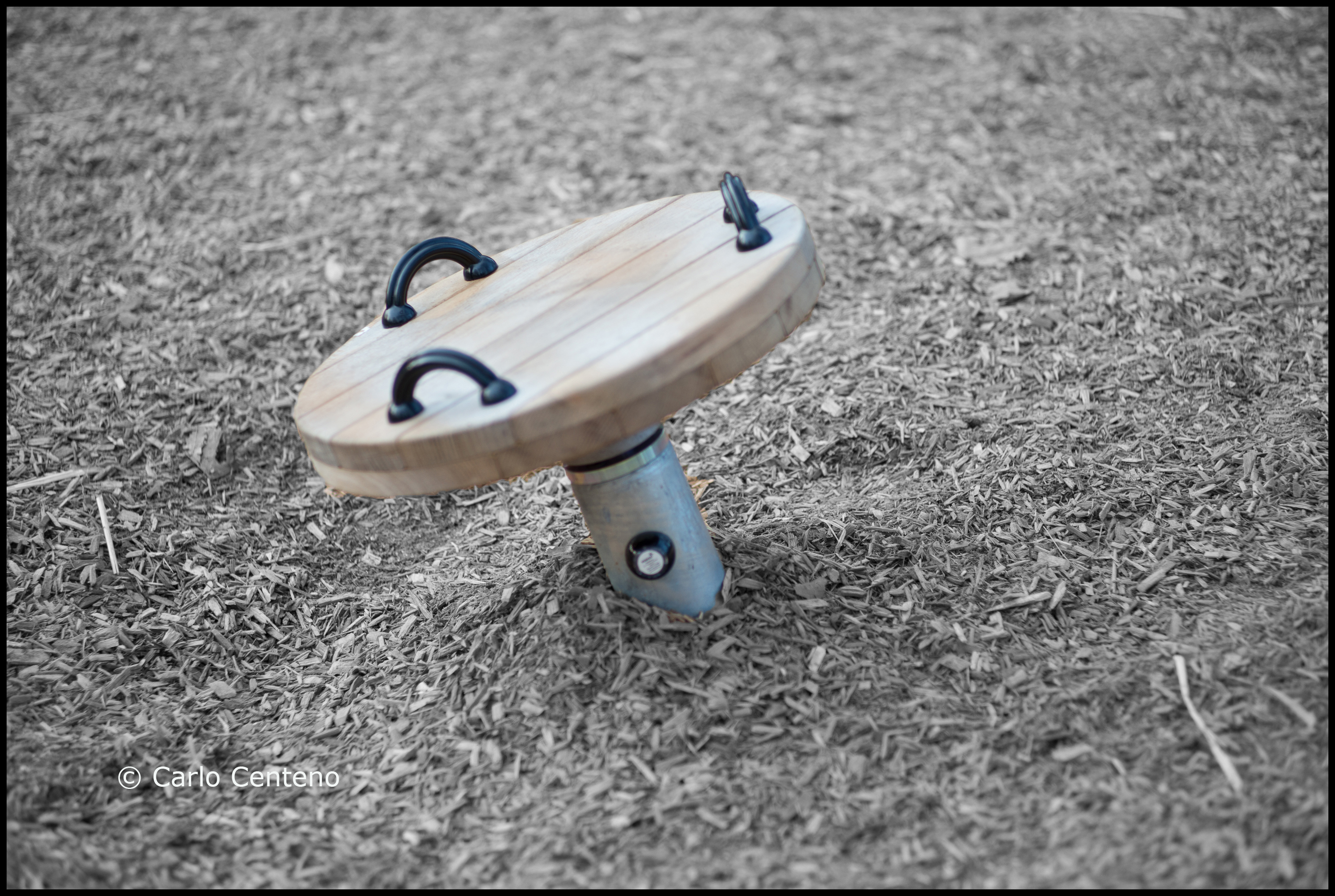
It’s a single-seat, wobbly merry-go-round.

From a distance, the spinning wheel looks like a badly installed table top for pre-schoolers. No, I didn’t demo this playground-attraction. For fearless children who repeatedly spin themselves silly, the attraction delivers. With dizziness in full force, a smile of wonder and novelty appear. Not surprisingly, none of the kids I saw walked straight and narrow upon getting off the spinner. Think wobbly and crooked on any given stride. It’s enough to make you nauseous just watching them weave across the playground.

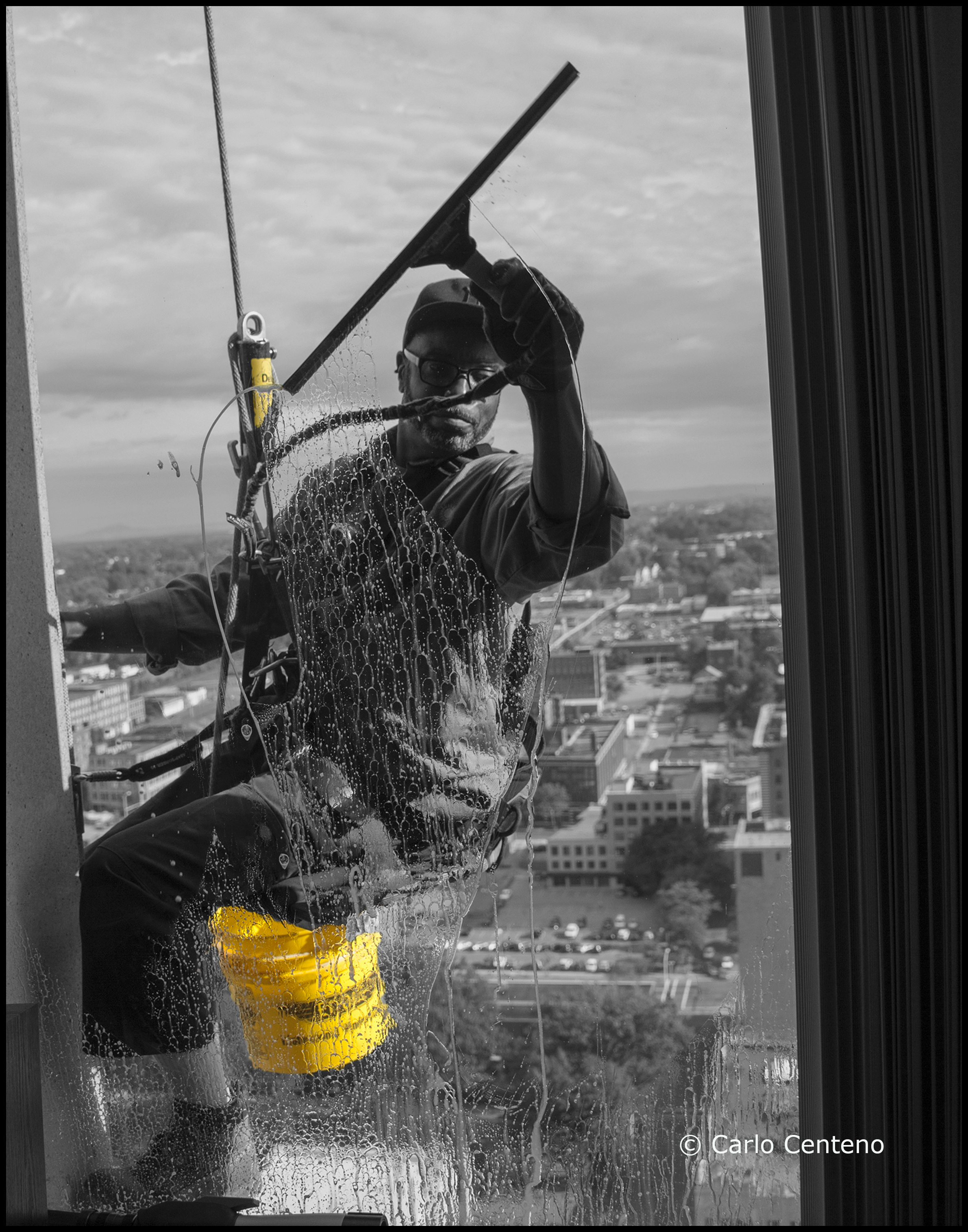
When you’re 25 floors above the street, strapped into a harness, wobbly doesn’t fit into the picture. I’ve seen these pros accomplish their tasks on breezy days, certainly when the weather is warmer than it is now. The color yellow stood out in large part because it was bright and the rest of the scene—originally in color—looked monochromatic. I also learned that 2-3 drops of dishwashing fluid into warm water makes for a thorough glass cleaner. There’s a detail worth noting…

Wounds.

The power of water is astounding.  Trickles that turn into streams then morph to raging rivers—at times in a matter of a few minutes if not less—cannot be taken lightly. Trying to accurately track an object caught in fast-moving current is almost impossible. My August 5th post about The Falls clearly demonstrates the meaning of “fast-moving.”

Wind can be just as harrowing. Various parts of the country were seriously hit first by the rain storm Isaias then by a rare, but powerful wind storm called a “derecho.” The middle of our country bore the brunt of its force leaving what resembles a war zone.

Closer to home, there was considerable damage from this most recent windstorm. Though the harm and damage here pales to communities in Iowa and beyond, I’ve noticed pine and oaks uprooted and toppled over. The swath of this recent storm event caught me somewhat off guard.

Looking at the damaged trees produced that anthropomorphic feeling within me. The morphology of plants, and trees in particular, created a connection hard to ignore. My trunk or torso is akin to that of a tree. My arms and legs are limbs just as a tree has limbs. My core, like that of a tree, is the foundation that helps me stay upright.

It was apparent that these trees could no longer return to what they were only days before.  I’m not an arborist, but I surmised that nothing could be done to “save” any of the trees I looked at and photographed. Not a one.

When severe storms strike, all life is impacted in one way or another. However, plants and trees are particularly vulnerable because they are literally anchored to earth. They can neither hide nor escape their circumstance and their wounds are so obvious.