Frisson…..it’s French for a chilling sensation, a shiver. It’s typically a pleasurable response to a stimuli that “moves you.” At times we refer to this reactive sensation as something that, “gives me the shivers.” You get goosebumps, you feel the small hairs on your arm or the back of your neck stand up, your breathing and pulse become quicker.
Frisson is that short-lived somewhat intense satisfaction often brought on by music, art, an event, a person, a book, essentially whatever it is you witness that generates a momentary elevation of pleasure. The brain and body experience something akin to adrenaline and dopamine reaching peak levels.
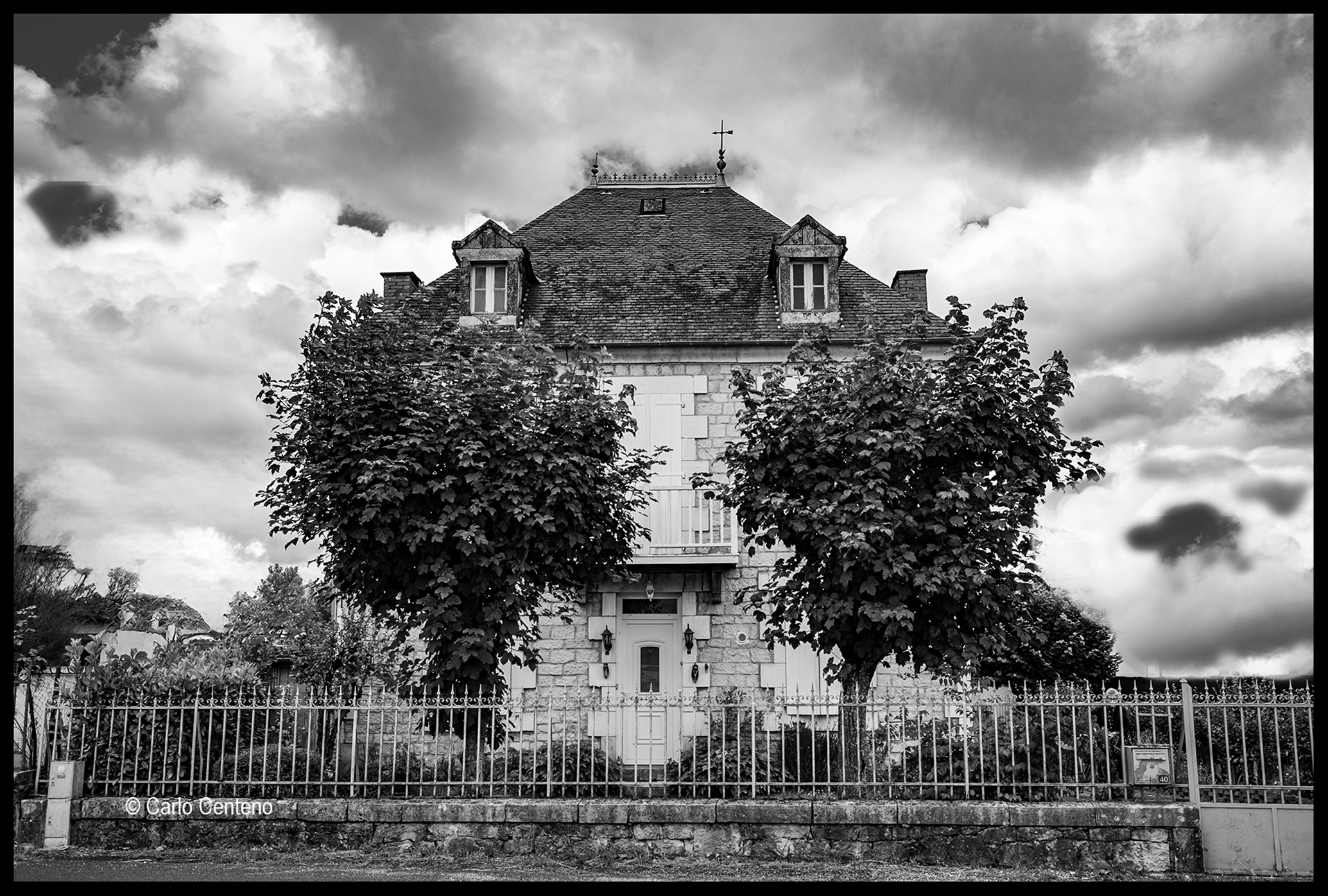
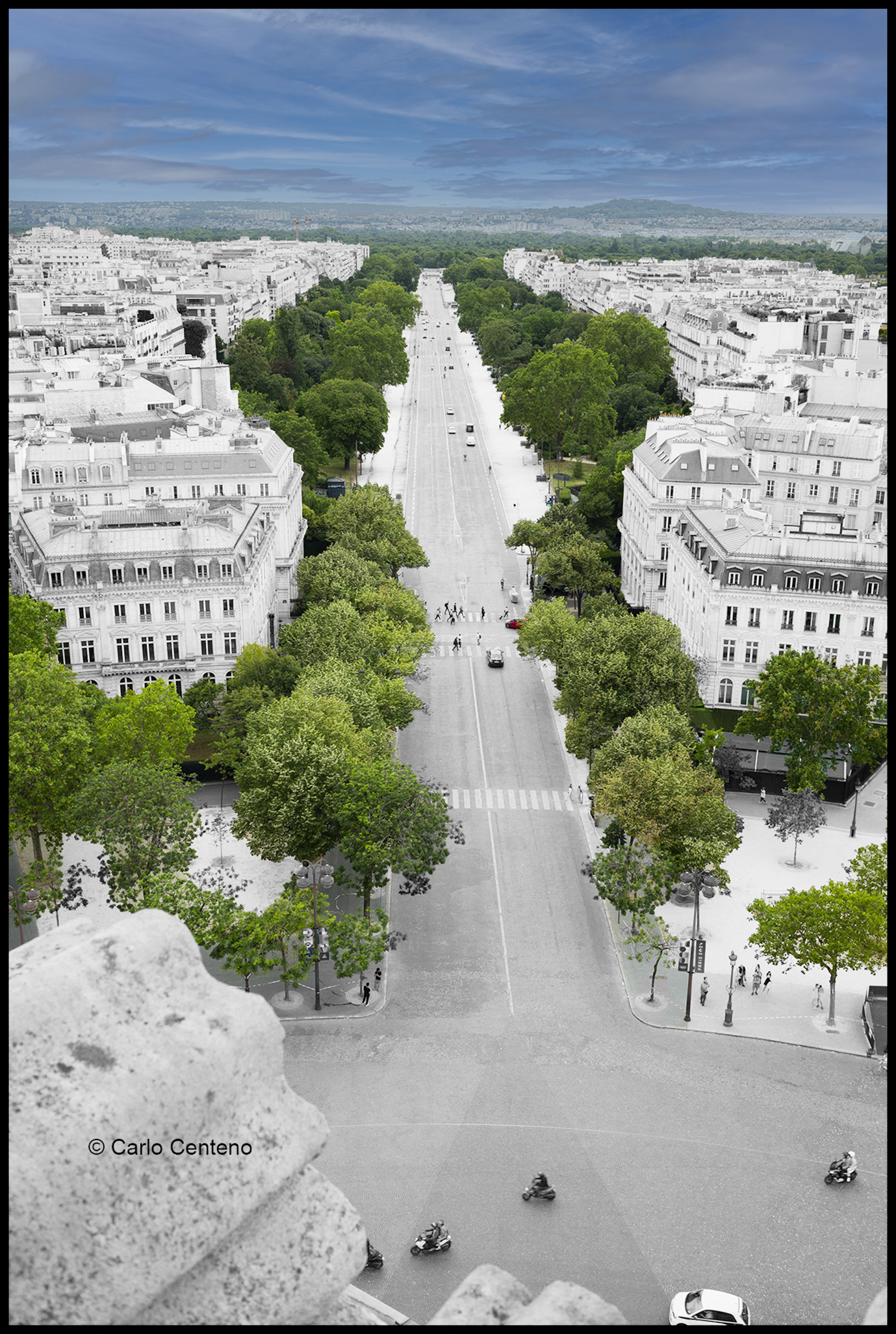
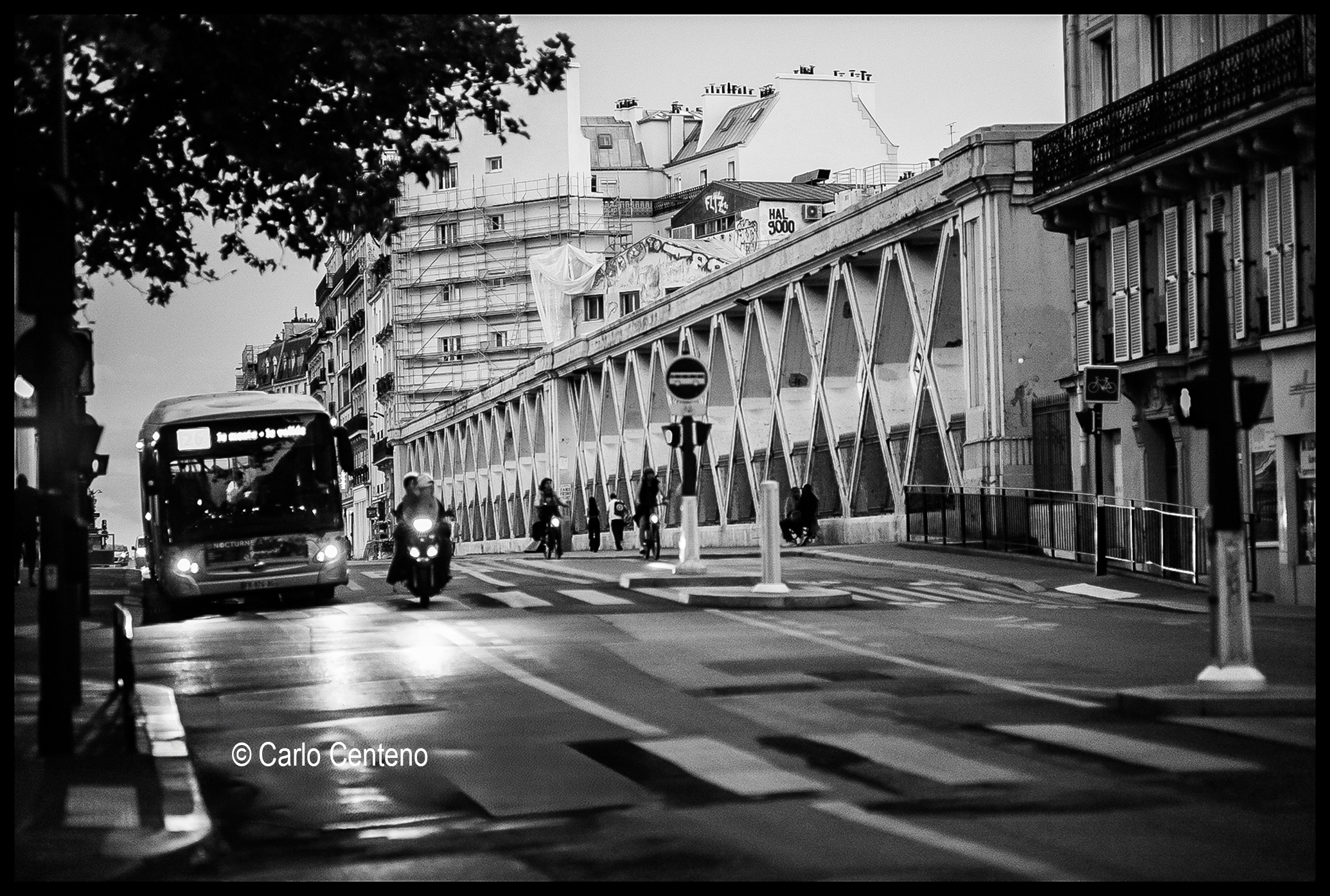
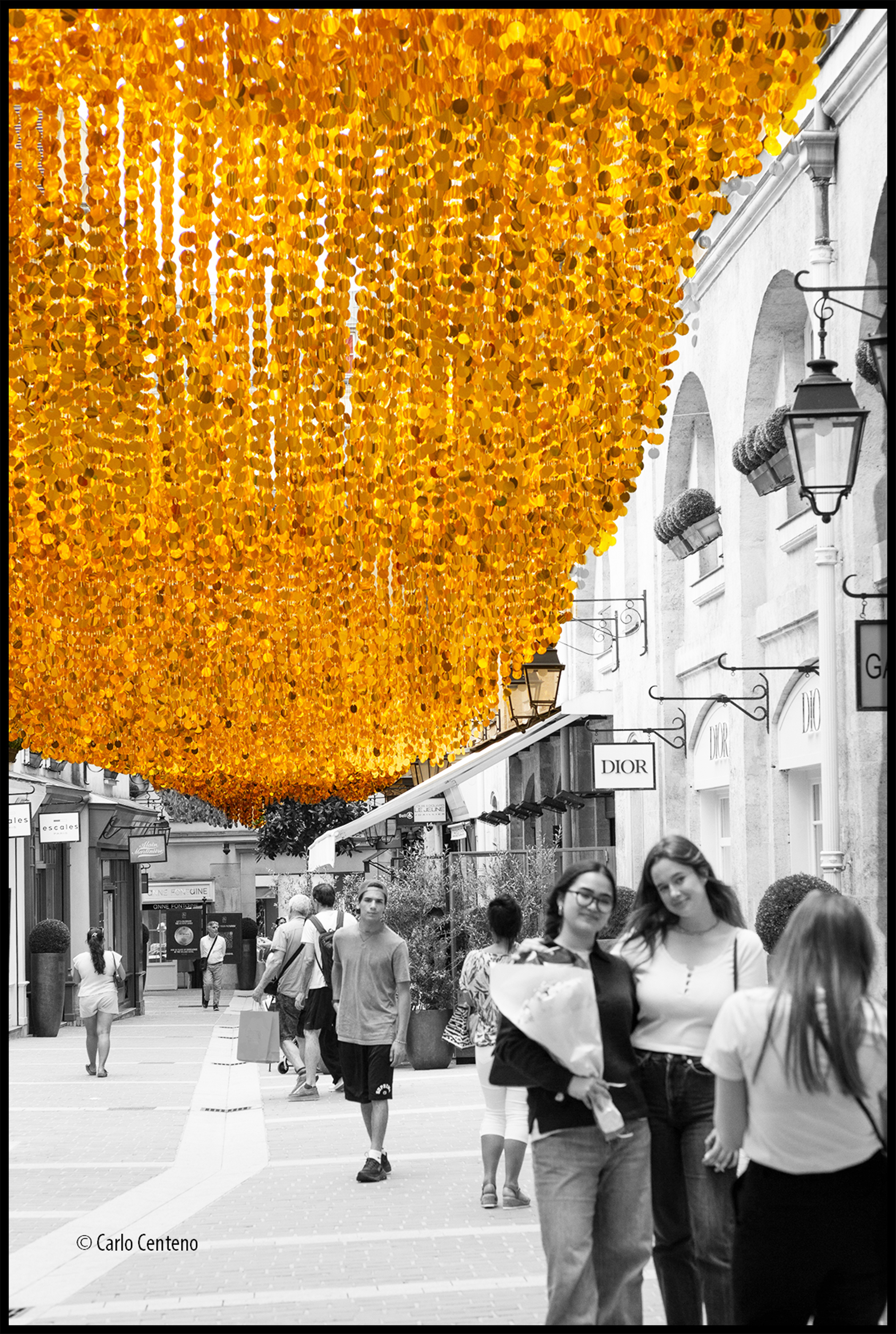
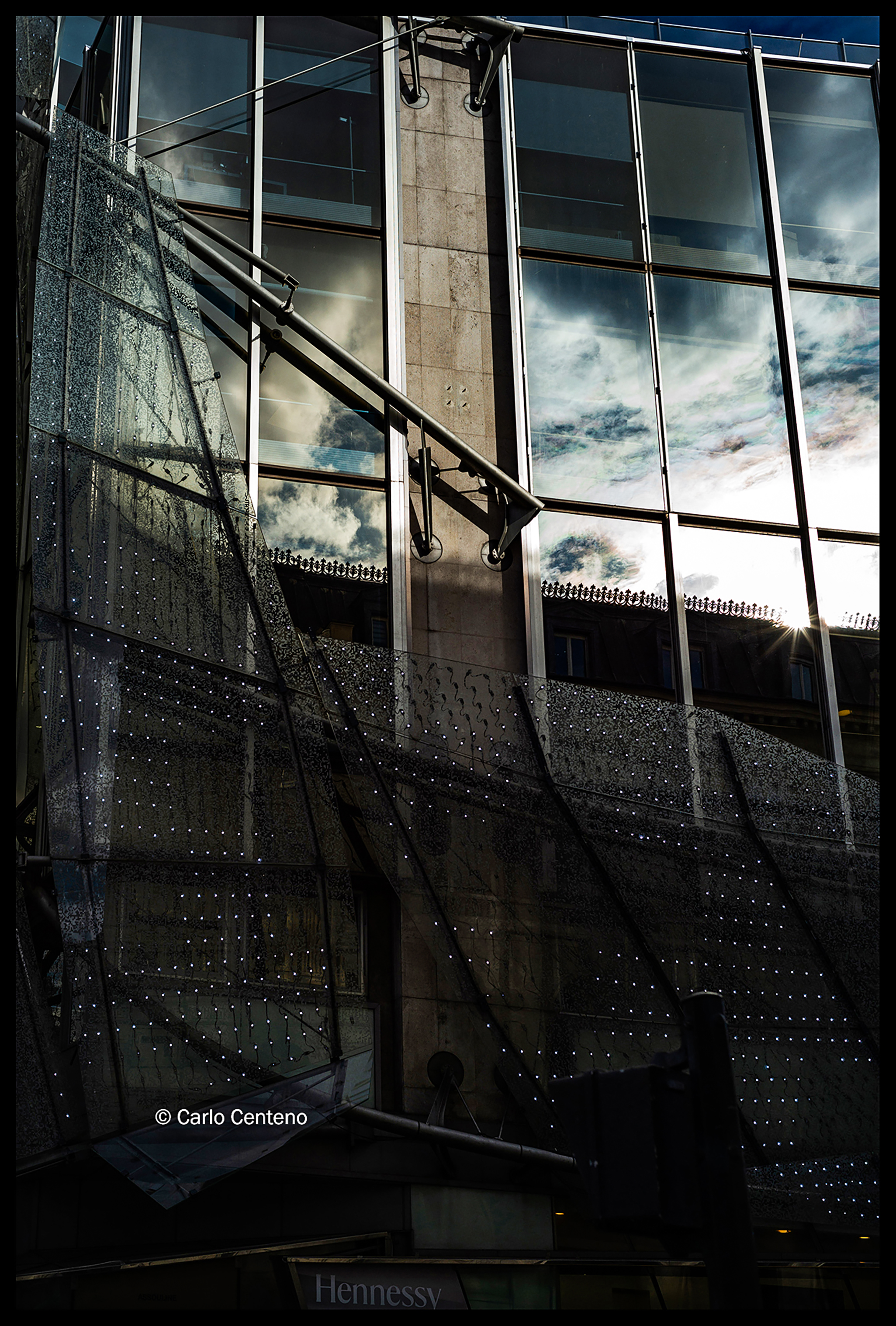
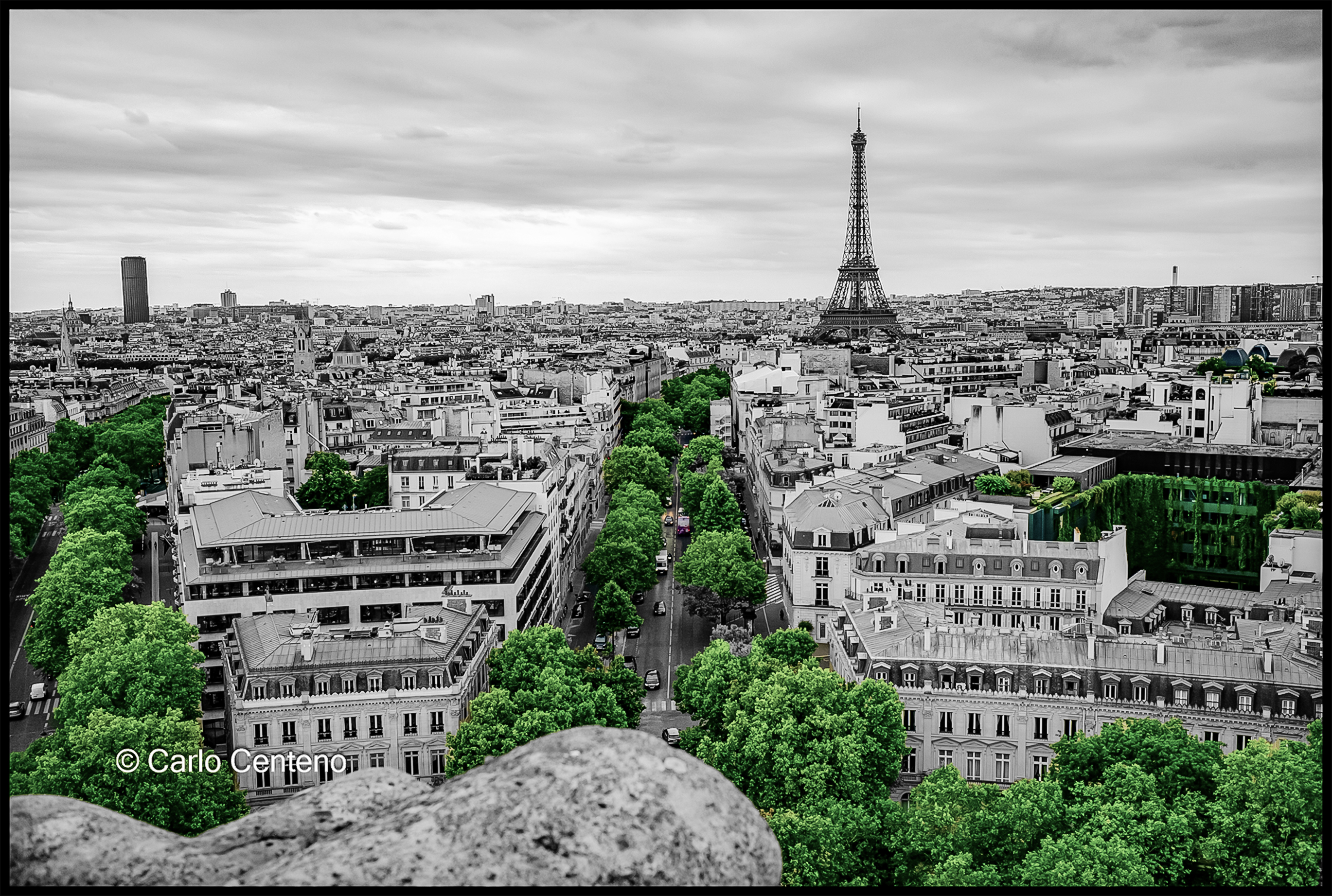
The following images are some of the “frissons” I felt while in France. I enjoyed the “shivers” and enjoy bringing them to life here. Hope you find something to like…..
“The sending of a letter constitutes a magic grasp upon the future.” Iris Murdock, CBE, DBE. Irish-born, British philosopher & novelist
“In our letters, we are recollecting and conversing with the soul, through both our friends and ourselves.” Thomas Moore Irish writer, social philosopher and in his lifetime, regarded as “Ireland’s national bard.”
“There is something special about holding a hand written letter. It carries the essence of the writer.” Jane Austen
I would suspect that the majority of readers who come across my blog do not write with a fountain pen. Not unusual and it’s okay. That’s just a factoid of our technology epoch. It’s been written that many are far more familiar with a screen, a QWERTY keyboard and now the exponential growth of AI. An observation, as well as a dirge, for the sentience and engagement of a communication method that some find impractical and inefficient.
Yet on any given day or evening, I’m not far from paper and a pen filled with royal blue ink, ink drawn from a bottle and into a pen barrel via its nib and the piston residing in that barrel. Archaic, perhaps, yet some believe such things are unnecessary for our current state of living. What about the state of your life and the qualities that define its value…?
A frequent criticism is that using such a writing instrument is too slow, to use and get used to. Put another way, this is a communication method that requires your patience, your willingness to engage both mind and heart over a period of time. Handwriting is the articulation of thinking, learning, feeling and so much more.
I would be remiss if I did not include some of the toils in finding the right paper and ink that adds to the fascination of such a timeless way of expression. These 2 items are just part of the discovery process, one which needs your attention as you gain familiarity and traction to fountain pens, inks, types of paper and of course, writing. With a nod to digital technology, researching pens, paper and ink is far easier now than it has ever been.
Writing with ink and paper is slow, certainly slower compared to the speed in which we talk; and even that is a lot slower than our brains when we’re processing just about anything we can think of. Writing slowly does not correlate to slow thinking. Such writing encompasses thoughtful pauses, an examination of those and adjacent thoughts, whether abstract or tangible, even working to make what was just put to paper more lucid for anyone–including myself–to grasp.
If you’ve come this far, you might have wondered about the “Permanence in Paper” notion in the essay’s title. Paper and the writing it holds can survive over a long period of time. But I wonder about some of those pages bound or bundled together for centuries. Egyptian manuscripts written on Papyrus are some of the oldest known individual texts in existence. Their scrolls go back c. 2500 BCE, whereas paper in its earliest form appeared in China c. 105 CE. [Note: BCE stands for Before Common Era and CE represents Common Era. These are the secular versions of Before Christ (BC) and After Christ/Anno Domini].
I think of times in history when handwritten correspondence was the perhaps the most confident way to connect. I visualize piles of envelopes each with a letter, a notice or alert, even a photograph among other possibilities. There were many, many things in those letters, rote and topical. There was the weight of loss and longing, of anticipation and impatience, of a happiness that seems forever in arriving, or the gravity of profound grief relentless in its hold of sadness, regret and helplessness.
Books have been written describing letters that have been exchanged. John and Abigail Smith Adams regularly wrote to each other. They were well ahead of their time as they were reciprocal to each other for support and encouragement and more. Think of this: more than once, Mr. Adams stated in his letters that Ms. Adams was his “dearest partner” and a “stateswoman” worthy to be among the most astute of advisors and confidantes.
Queen Elizabeth 1 wrote upwards of “3,000 plus letters to her oldest daughter.” President Lincoln’s “letter to Widow Bixby” is as empathetic and demonstrative of any condolence letter addressing a mother’s loss. The King of Sweden, Gustav Vasa [1523-1560] wrote at least 1,000 letters according to records; the quantity filled 29 books.
Then there are the epistolary writers who crafted letter writing from letters available to the public. Their constructs of referring to letters within a story or a novel carried some significance to the protagonists, society, an ideal, a scandal and so on. Authors Mary Shelley [Frankenstein] and Bram Stoker [Dracula] were epistolary writers. They used letters as a vehicle to convey everything from discovery to fear, to hope and love. And to think that their stories with these references of hand written letters have to this day, remain relevant and thought provoking.
For those who already do as I do with pen and paper, well they know a few positives associated with this old-school way of communicating: for starters, no special apps or electronics are required.
Return to terra firma. A few pointers
Practically speaking, if this is your first foray, or re-entry to FP writing after a long sabbatical, you do not need a costly [above $25. USD] pen. You can obtain a fountain pen at a lower cost, but you get what you pay for. To start, select a universally adequate Medium nib. Nibs are made with steel or gold. Steel is more durable and gold has a feel all its own. The pen should come with a converter with the option of using universal ink cartridges. Color ink? That’s up to you.
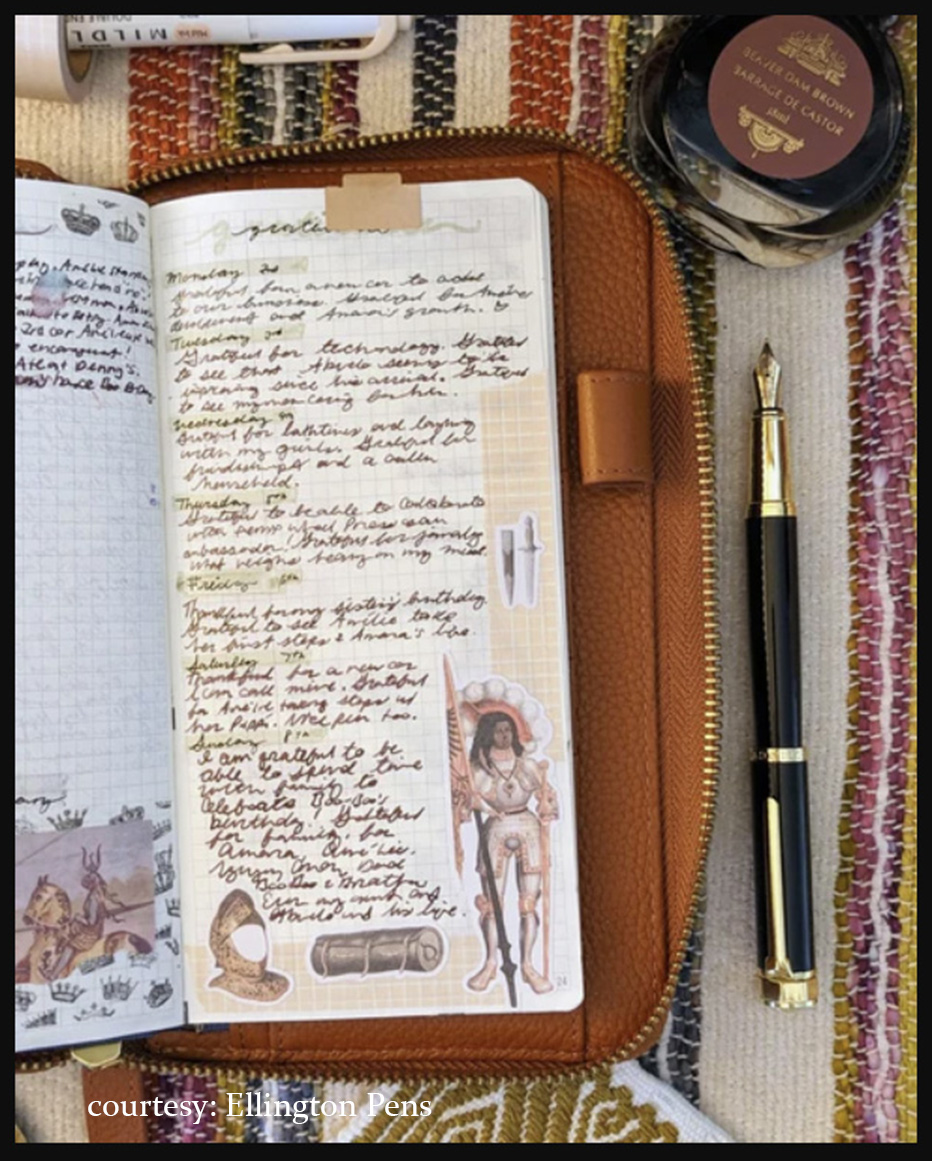
Speaking of ink, the easiest brand [at least around here] anyway is a ubiquitous bottle of Parker “Quink” in black, blue-black or royal blue. I believe all but the black is water & spot-cleaner soluble in combination. Parker offers cartridges as well, useful when traveling and potentially not as messy as carrying bottled ink. The Parker cartridges are made for use in Parker pens, however, you can also use universal ink cartridges, which are shorter in length and just as functional as any other.
Paper. For initial practice, copy paper works, but it’s not ideal. You may experience blotching [when the paper sucks ink out of the pen creating spots]. And/or feathering, which is when the lines that make up your letters show tiny “feathers” coming from the main line that defines your letters. Ultimately, this will take some trial and error. Paperworks has a special sale of letter sized paper that may do the trick. Look for samplers that offer sheets of different weight papers. I cut these sheets in half and have a faux-Monarch size sheet I use for letters.
Etsy has a number of papers as well. Names such as Clairefontaine and Tomeo [fantastic quality from Japan] are just 2 of other manufacturers that offer incredible papers. I do recommend you stay with smooth finished sheets versus sheets that have texture. Trust me on that one suggestion. A smooth surface is more forgiving than one that has texture. Goulet Pens has a complete section/tab on everything that has to do with fountain pens, inks, nibs, paper et al.
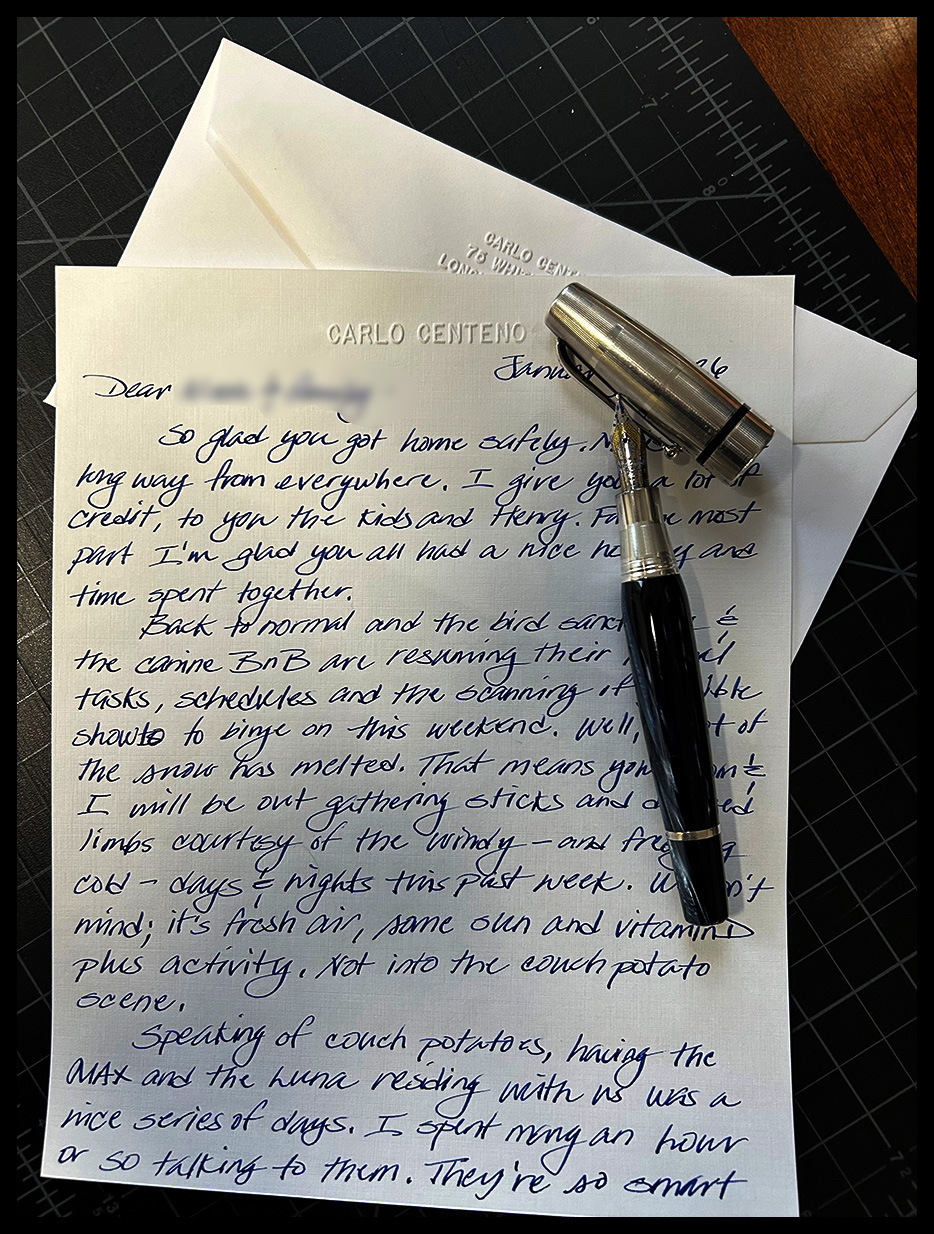
You can also create your own personalized cards, letters and envelopes using an embossing stamp. I use one for my return address on the flap of the envelope and the second I use to emboss my name at the “header” area at the top of my letter.
Here’s another resource that you may find useful in your journey:
Establish a schedule to write. Get yourself a journal and consider writing anything that comes to mind. A letter to your adolescent self or your current and future selves; notes about the _[skill]_in you that you want to improve. Essentially marry your thoughts to the fine motor skills that are important to clear writing. Legible writing is one thing, while illegible writing is but stepping stone that can lead you to letters, words, sentences and more with a character that’s yours and yours alone. Like learning an instrument, to be good at it, you need to have a plan, and you need to set aside time to make it work.
When you’re all in, the writing activity goes beyond movements of your wrist. Remember it’s your writing arm that carries the energy required to move synchronously across the paper & table top. Using your entire arm is necessary because it encourages good coordination and a focus. Another benefit is the wrist won’t do all the work, which means less repetitive stress to all those small tendons and cartilage, etc.
Left handers can fountain pen their way on & across paper. Take a look at scriveiner.com which contains a good amount of helpful details on what to look for.
Finally, I leave you with perhaps the wisest sentence in this top-heavy tome of questionable relevance:
“If people cannot write well, they cannot think well, and if they cannot think well, others will do their thinking for them”. George Orwell
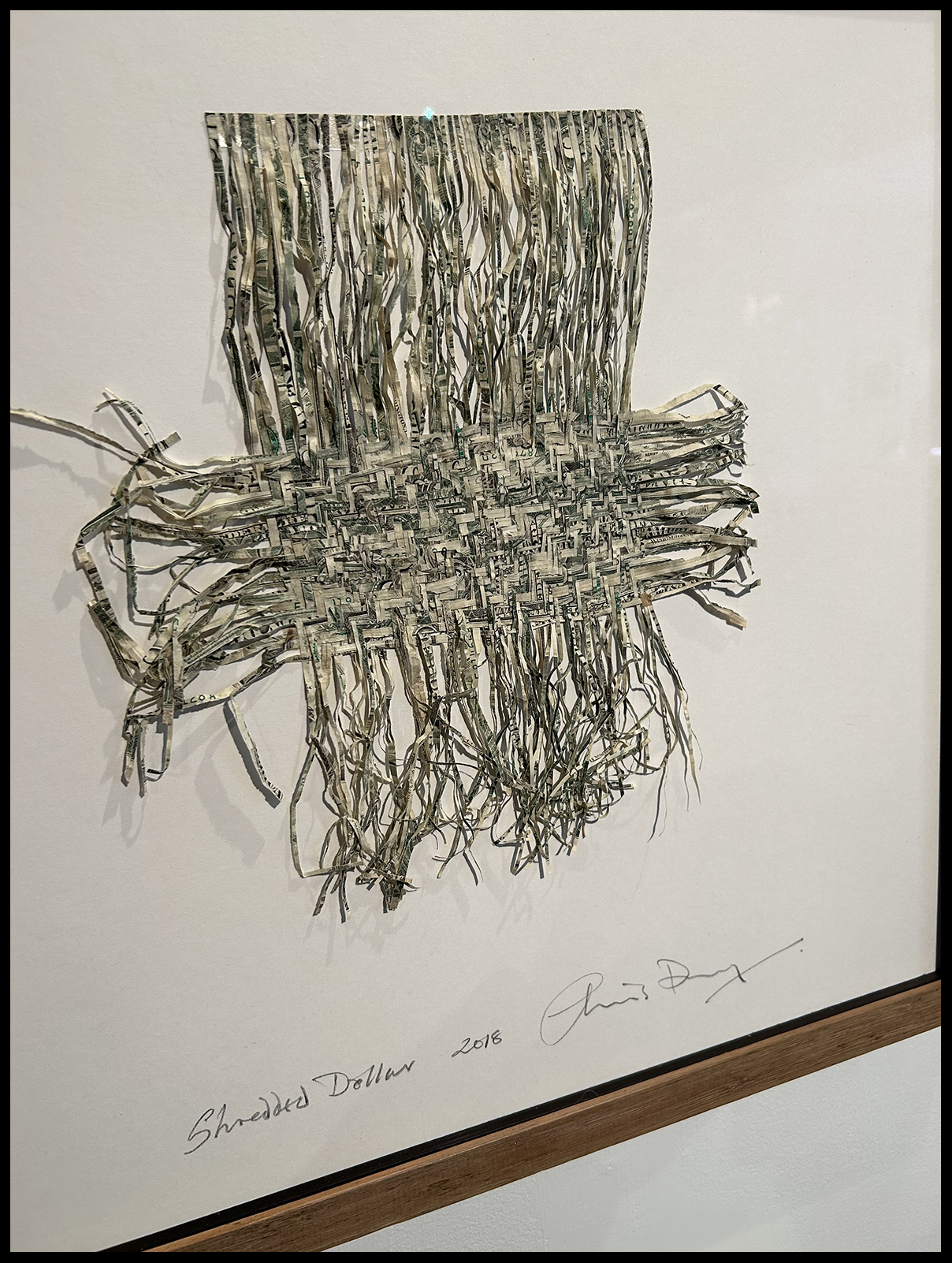
When you’re bogged down with writer’s block, creative fog, even brain freeze, what do you do to break free from its hold? Here’s one way to purge the hive of such impediments. Go to an opening, an art exhibit, perhaps one which deals in a medium that you know little of. In my case, think fabrics, paper and ceramics and other materials—either in combination—or crafted exclusively with fabric. An oversimplification, but a few photos can better illustrate the creations displayed at the exhibit, Beauty is Resistance, our Fall Art in the Barn Exhibtion. I was impressed with the inventiveness, originality, concept development, creativity, and overall execution of the various pieces.
At browngrotta arts, co-curators Tom Grotta and Rhonda Brown have managed original art, crafted by internationally recognized artists for more than 3 decades. My “introduction” to the pieces of art at this exhibit was an A-1 engagement of diminishing my brain fog, creative block and so on. Neither words nor photos can describe the pieces. This is a case of what I actually see and feel is amazing, because of what is physically in front of me. A demonstrative be-in-the-moment activity, to say the least. So, please take a moment to peruse a small sampling of what was on display.
A special thank you to Tom Grotta and Rhonda Brown for their hospitality and sharing their knowledge about the artists, the scope of this exhibit and their anecdotes of life in international Art. Photography: courtesy of Tom Grotta. All rights for the images and the Art are those of the artists.
Home artist Lija Rage; mixed media, wooden sticks, linen and copper [2-panels; detail shown in second image].
From Chaos to Reality artist Aleksandra Stoyanov; sisal, cotton
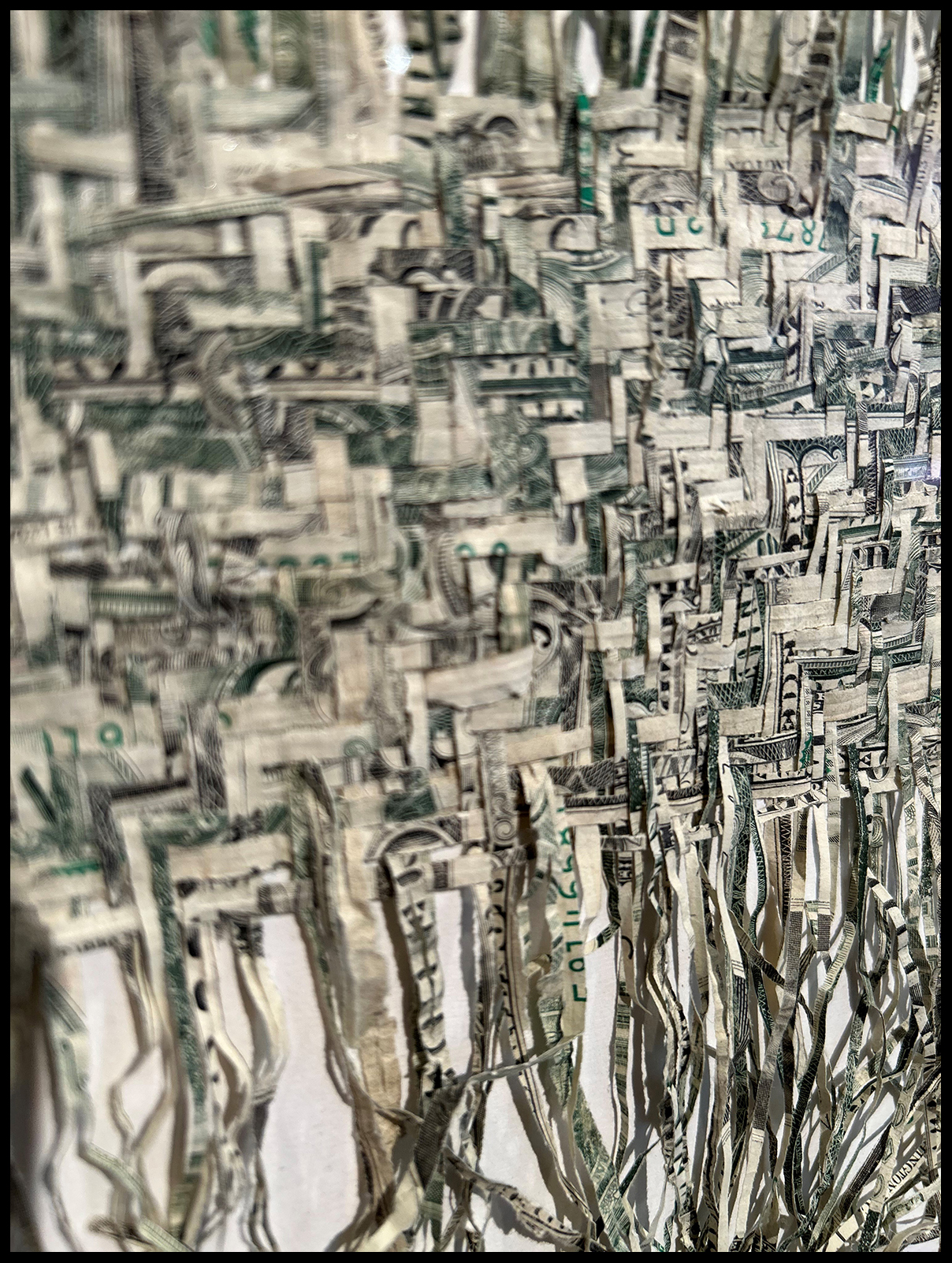
Shred dollar artist Chris Drury; US currency [detail shown below]
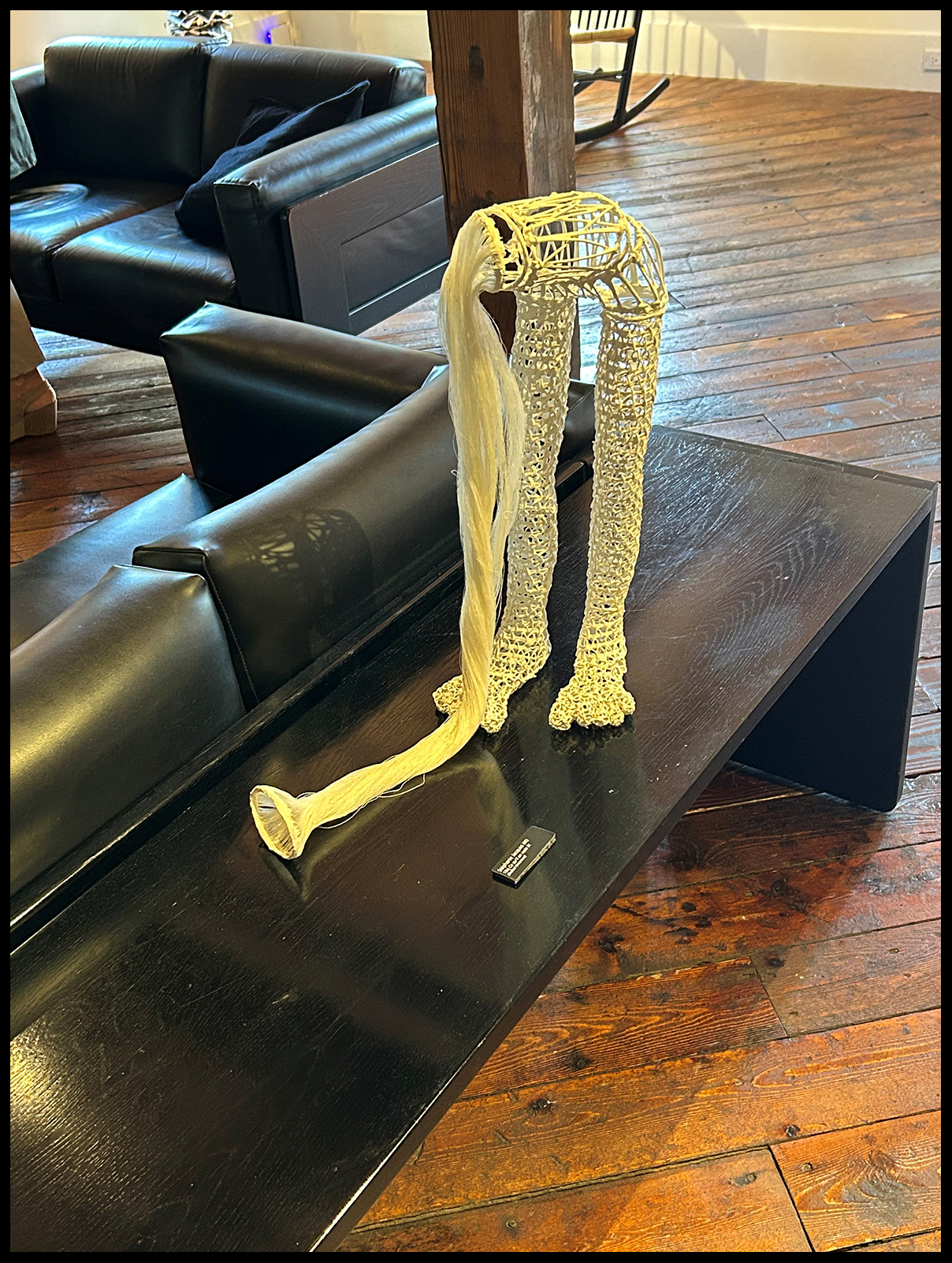
Female Husk II artist Anda Klancic; torso [from Momento Mori composition] with cone; palm tree bark, synthetic filament, acrylic, and metal wire
Ce qu’il en reste IX artist Stephanie Jacques; willow, gesso, linen thread
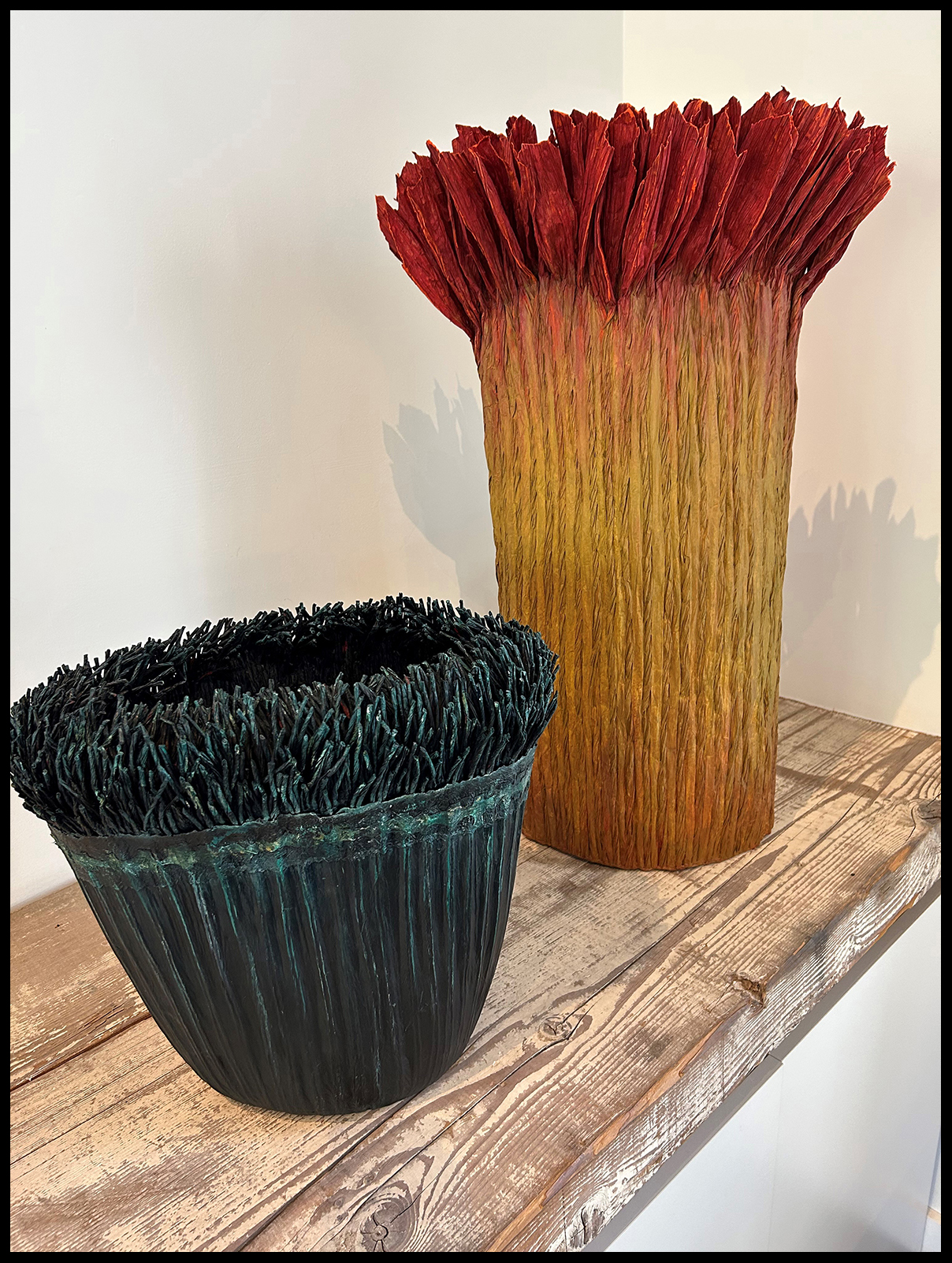
Flower Colors artist Mary Merkel-Hess; paper, cord, paper
Rhonda Brown co-curator
Tom Grotta co-curator
Photography a professional photographer, Tom Grotta created a display showcasing some of the literature and gear he has used through his ongoing career.
With all due respect to prodigies, I’ve looked at the histories of a variety of late bloomers, some familiar in stature, and of course others whom I’ve never heard of.
Let’s start with an author I think many readers will recognize: Bram Stoker. Yes, THE Bram Stoker, author of Dracula. Prior to the publication of his novel, Stoker worked at various jobs, the longest being that of a personal assistant and manager to noted stage actor, Sir Henry Irving. BTW, he was the first entertainer to be knighted for his contribution to theatre. This friendship started in 1896, when Stoker wrote a glowing review of Irving’s performance in a play. For about 20 years, he managed his affairs, tended to his day-to-day schedules and demands. The following year, Bram Stoker penned his literary masterpiece, Dracula.
When Irving read the novel, he thought little of it, even more so when Stoker thought his friend would take the lead role in a stage version of Dracula. Biographer Barbara Belford‘s book, Bram Stoker and the Man who was Dracula surmised that Stoker’s anti-hero was based on the conceited, self-absorbed, unpleasant person that was Irving. Irving’s pernicious behavior was relentless, and yet Stoker somehow prevailed. Irving’s repudiation of Dracula was his biggest loss, a loss forged in the theatrical history of the late 19th century. Bram Stoker was 50 years old when he penned Dracula
For the sake of brevity, the rest to follow will be brief.
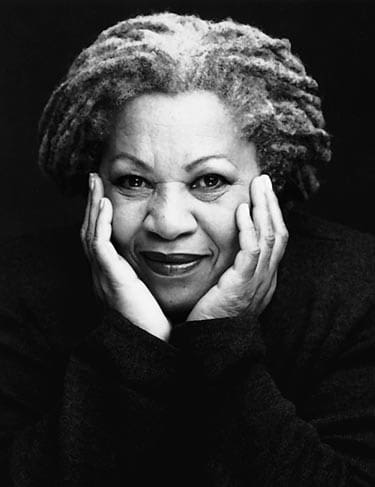
TONI MORRISON
Toni Morrison, an American writer was a long-time literature professor as well as an editor for Random House. Literature meant a lot to here; she is well recognized for her writing of the life experiences of Black women and life in the U.S. She was 39 years old when she published her first book, The Bluest Eyes in 1970. Here second novel, Sula, was nominated for the American Book Award. Morrison received the Pulitzer Prize for Beloved in 1987 and in 1993, she was the first Black woman to receive the Nobel Prize for Literature.
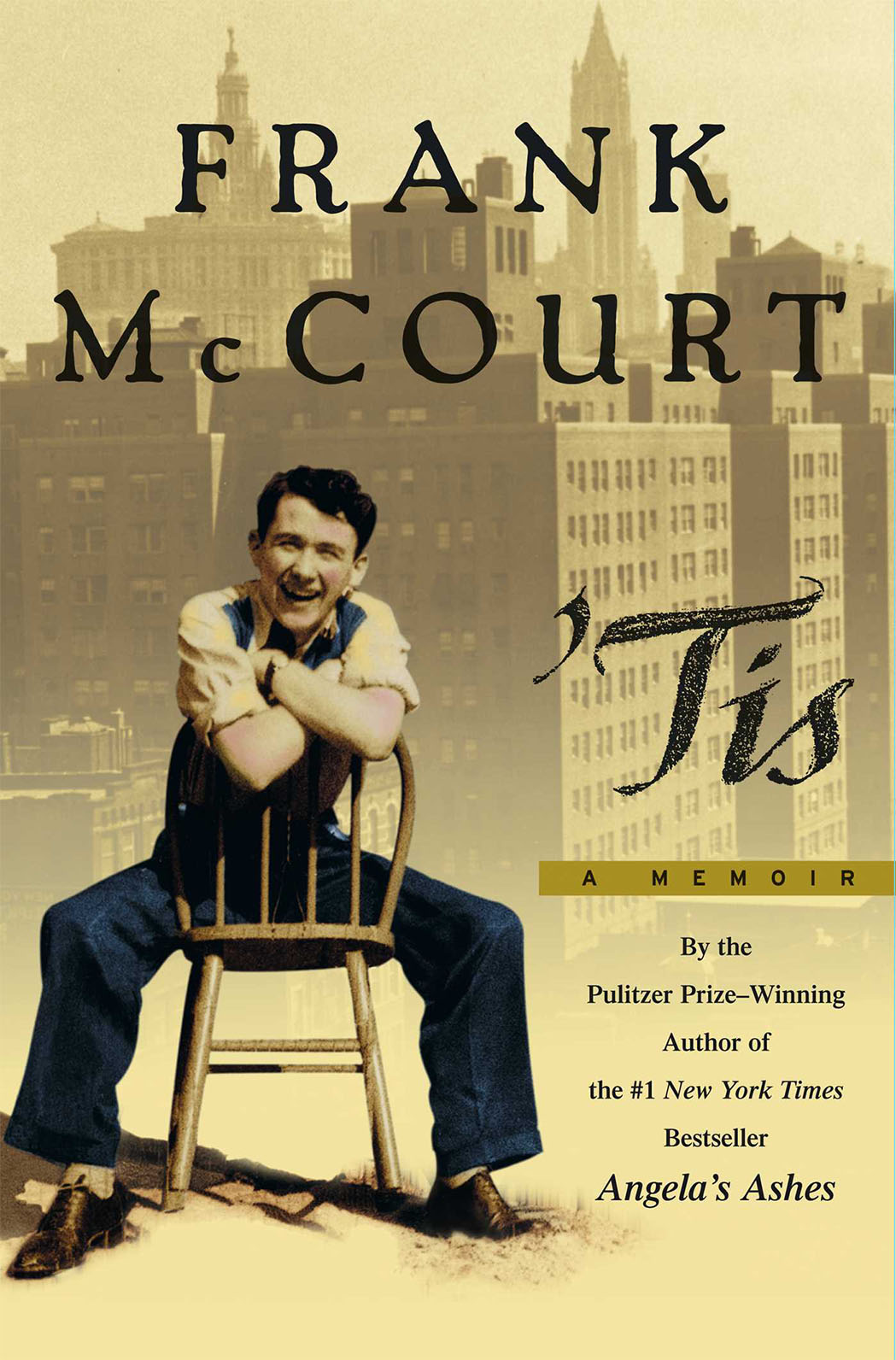
FRANK McCOURT
McCourt’s first book was published when he was 66 years old. Angela’s Ashes won the Pulitzer Prize for autobiography/biography in 1997. The memoir was also recognized with the National Book Critics Award, the LA Times Book Award and the Exclusive Books Boeke Prize to first time novelists.
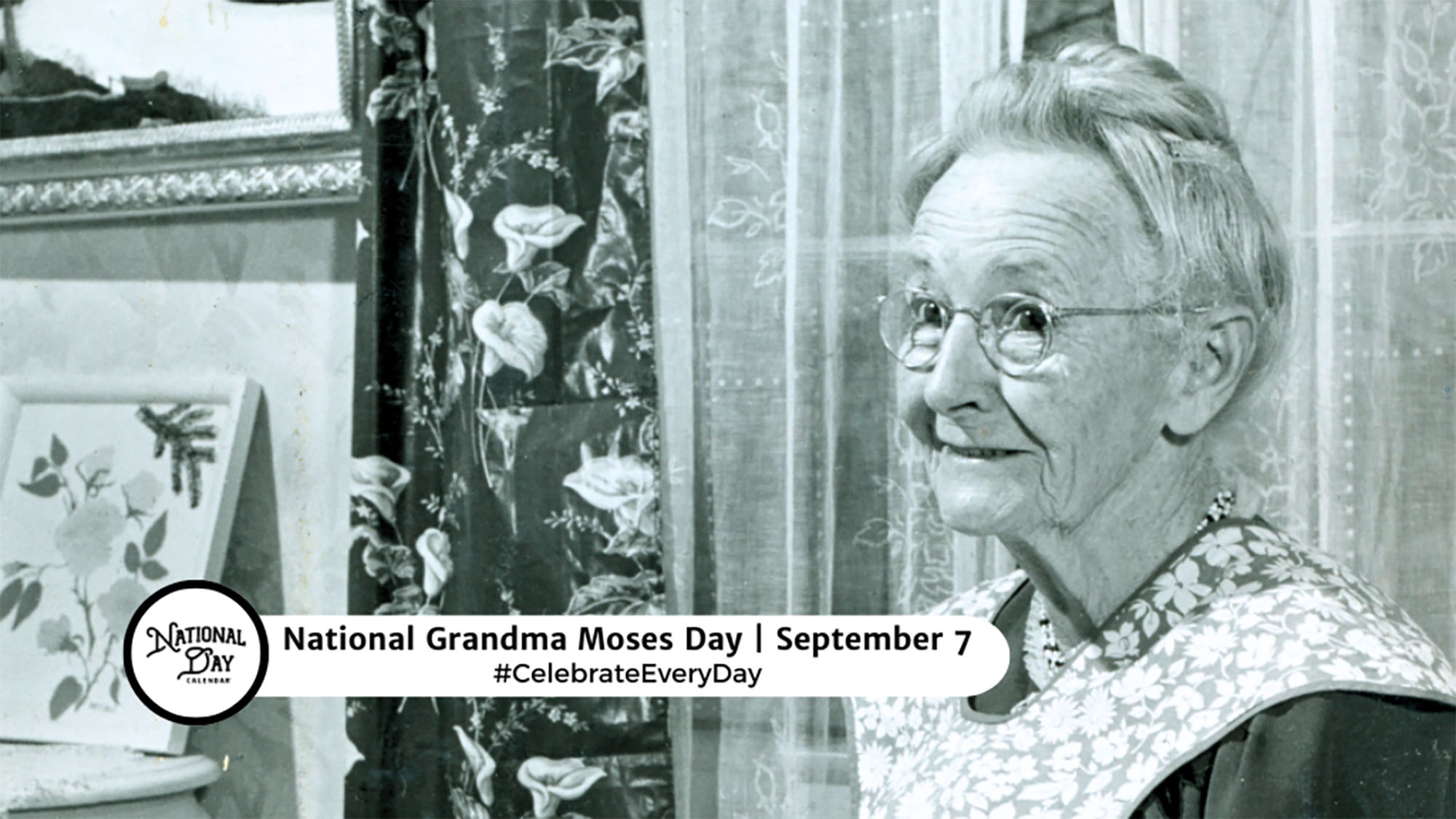
GRANDMA MOSES (Anna Mary Robertson Moses)
Ms. Moses was a celebrated American painter. She was noted for her needlework however, arthritis jettisoned that activity. Ms. Moses started painting at the age of 75. Her nostalgic style and depictions of rural life caught the attention of a collector and others, including large department stores who wanted to exhibit her work. Internationally, her work gained the interest of storied museums and galleries. A symbol of life in rural America, she passed away at 101, at the zenith of her painting creativity.
LAURA INGALLS WILDER
Laura Ingalls Wilder was a teacher, journalist, writer & columnist. Her life experiences were the subject material for her books, collectively a tome of perseverance, hardship and the challenges of farm life .She started writing her book series, Little House on the Prairie, when she was in her 60s. That first book, Little House in the Big Woods, was about her childhood. The Little house on the Prairie was Wilder’s eponymous version that proved popular in many TV households.
VERA WANG
Vera Wang had a successful career as a journalist and figure skater, but in her 40s, she started what would become a fashion empire that encompassed haute couture, high-end wedding gowns and licensed beauty products and home accessories.
NORMAN MACLEAN
I can identify with this individual: lover of writing, literature and fly fishing. An English professor, Dr. Maclean attended Dartmouth College and earned his Ph.D. at the University of Chicago where he taught for 47 years until his retirement in 1973. His most celebrated, and only book, A River Runs Through It, was published in 1976. He was 74 years old.
SALLY KRAWCHECK
Already a success on Wall Street, Krawcheck has long known that women clients were underserved by the wealth & financial management industry. She sensed that many women were not part of the discussions pertinent to financial management and more. So, she opened her own firm: Ellevest. She was 52 when she started her company that catered to women.
COLONEL SANDERS
A creative thinker, relentless believer, and one who demonstrated an enduring persistence, Harland Sanders is forever known as the southern gentleman who reinvented “home-cooked” southern-style chicken. Colonel Sanders was in his 60s when he finally achieved his renowned chicken recipe and his first Kentucky Fried Chicken franchise.
And there are so many others. If you’d like to share your short list, drop me a note. Thank you!
Back in the day, “soliloquy” was a word associated with theatre. There have been some powerful, mindful soliloquys, many found in English Literature. William Shakespeare and Robert Browning come to mind; the former for his plays, Browning for his poetry.
I find myself tuning into my inner self with soliloquys. These are not conversations to me, but a way to be honest with myself. In the process, I voice [in my head…..not out loud]. the deepest feelings which need to be brought out from the inner sanctum of my soul. These sentiments, perceptions and more, represent a personal unspoken anthology of emotions which remain exclusive to myself. Everyone should try their own form of soliloquy. You become the subject as well as the audience. The orator speaks to the most relevant, but private person in his/her life.
A recent trip to the Massachusetts Museum of Contemporary Art [MassMOCA] located in North Adams, MA is one location that gave an opportunity for reflection and acknowledgement. Come to think of it, most any museum makes a strong location for a soliloquy. Other alternatives abound: a beach, a park, a forest, a solitary space, even a space filled with people. The options are varied, but I do believe, like the soliloquys expressed in plays, poems and so forth, a place relatively quiet proves hospitable to many. A calm atmosphere is a priori given the breadth of one’s soliloquy.
Where ever you stand, and what ever you see, there lies a confluence of provocations that may come to the forefront of your thinking or introspection. The time stamp—from which these thoughts come from—depends on its significance: an early relationship gone awry; a current relationship that seems too good to be true; the unknown realm in choosing one option over another; the challenge of working through options in light of a chronic condition that will not stop let alone disappear. There’s a universe of profound feeling and thinking we can only imagine.
The above photos are from the MassMoCa’s permanent exhibit, The Boiler House. When you walk into the building, you’re visually overwhelmed with the scale and the number of boilers, pipes, connectors and vents that course over the entire space. If there ever was a place that made me feel Lilliputian, this is at the top of my list. The Boiler House is the facility that provided heat to all the space before it became MassMoCa. There are several floors, though I believe only the first 2 are open for visitors.
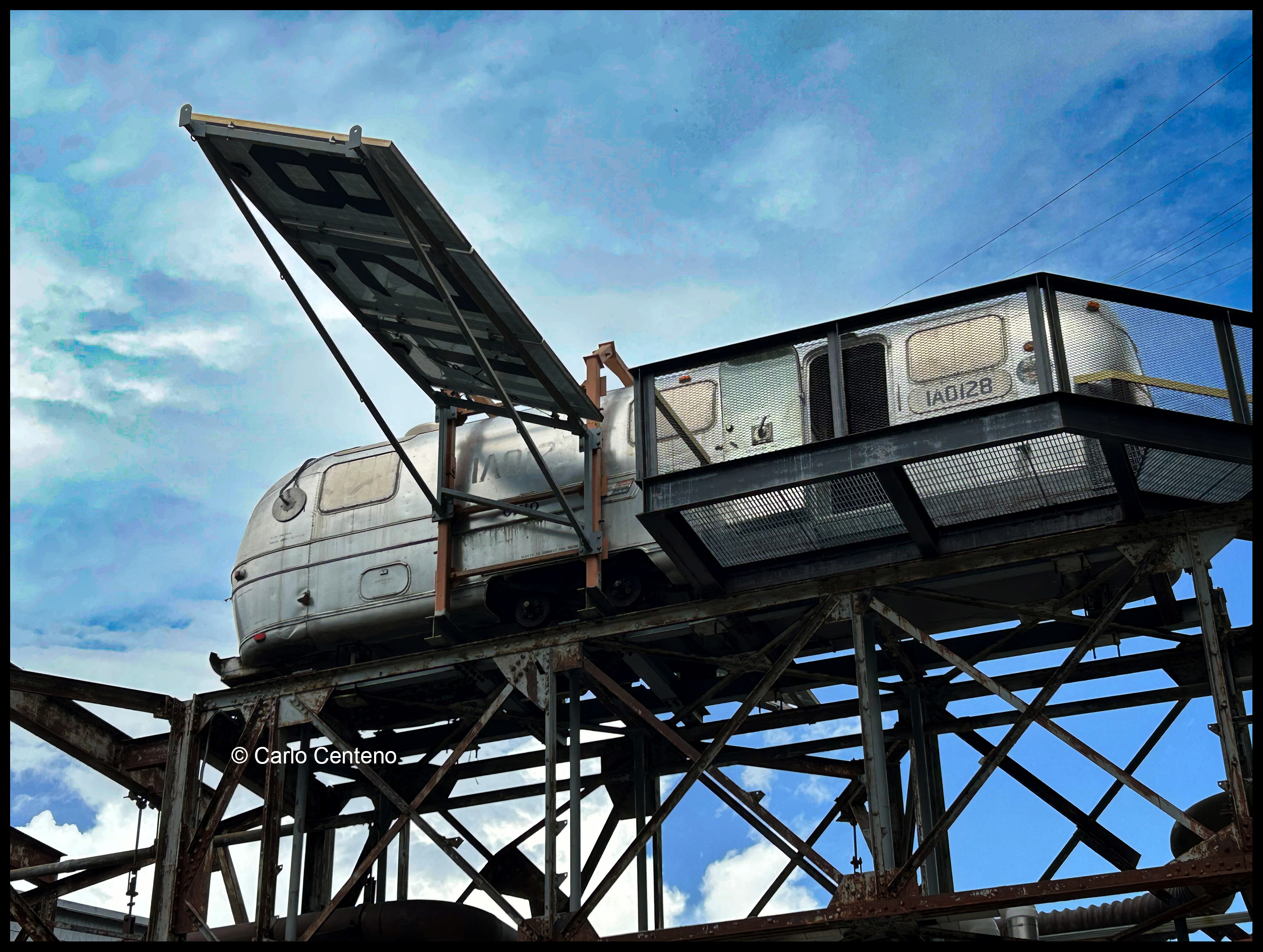
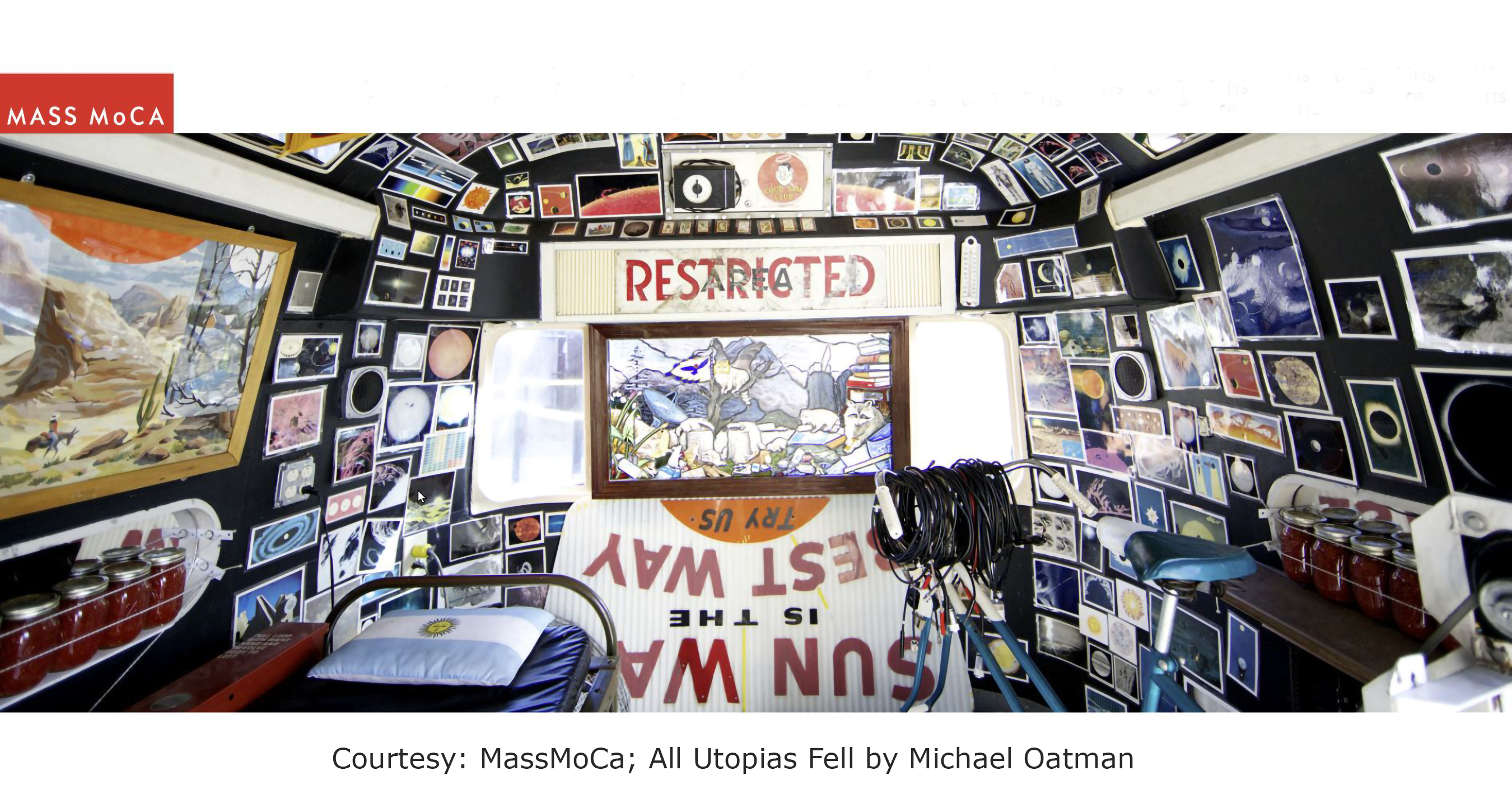
Suspended on tracks next to the Boiler House is an Airstream trailer. A walkway takes you to and from the Airstream to the Boiler House. This is the work of Michael Oatman, entitled “All Utopias Fell.”
A common theme in my soliloquy is this search for order and purpose, or a clarification of both. This is a challenge as I tend to overthink, excessively evaluate one over the other. Upon entering the Airstream, a myriad of visual elements reach out to you. It’s as if each photo, drawing, sign, piece of paper, object and so much more want to make mental impressions on you, as in right now. This is sensory overload and perhaps a metaphor for the soliloquy stirring in your thinking. It’s as if each piece could be a catalyst for a specific thought process. And once that piece or pieces enters your thinking, you start that introspection or make it progress to another level.
There are several “Why this?” and “What ifs?” within the profound, introspective construct of choices and decisions that are created. The certainty of being your own person, unique and unduplicated by any other, is that choices and decisions you make create the questions that begin with “why” or “what.” And while you and others are individuals in that singular sense, the framework of questioning is common for everyone, but ancillary circumstances are bound to differ between people.
Dr. Faustus, the play written by English dramatist Christopher Marlowe, revolves around the angst of Dr. Faustus agreeing to surrender his soul to the devil in exchange for magical powers. His soliloquy in the last hour before that exchange, is one which poses questions and conditions had the choices Dr. Faustus made were different. Once made, the commitment is binding, non-negotiable. There are no pause, stop or rewind buttons in life.
Shakespeare’s Hamlet is the quintessential soliloquy in my opinion. With new realities [and previous uncertainties] playing out today, themes of life & death, the meaning of our purpose and existence, mortality and vengeance are wonderfully distilled into words that examines all that can detract or enhance our existence.
I came across the last photo as I finished my visit to the Boiler House. It dawned on me that this effigy is a personification of someone covered with details that make up her/his soliloquy.
Time I spend at a museum of fine arts is about as cathartic an experience I can think of. Indeed, cathartic art is an emotional salve that can ease the burden of feelings that keep you down. For someone with dysthymia–like myself and others–engaging in positive activities helps mitigate the weight of dysthymia [Persistent Depressive Disorder]. PDD is not as well known as MDD [Major Depressive Disorder], but the former has less severe yet more persistent symptoms of depression.
With all that’s been bombarding us [unfortunately many instances are not positive] in our day-to-day, we can manage that which irks us and steer thought and action toward positive choices, which in turn can help generate positive thoughts and feelings. Some choices I lean to include blogging, letter writing, playing the piano, tennis, family time and more.
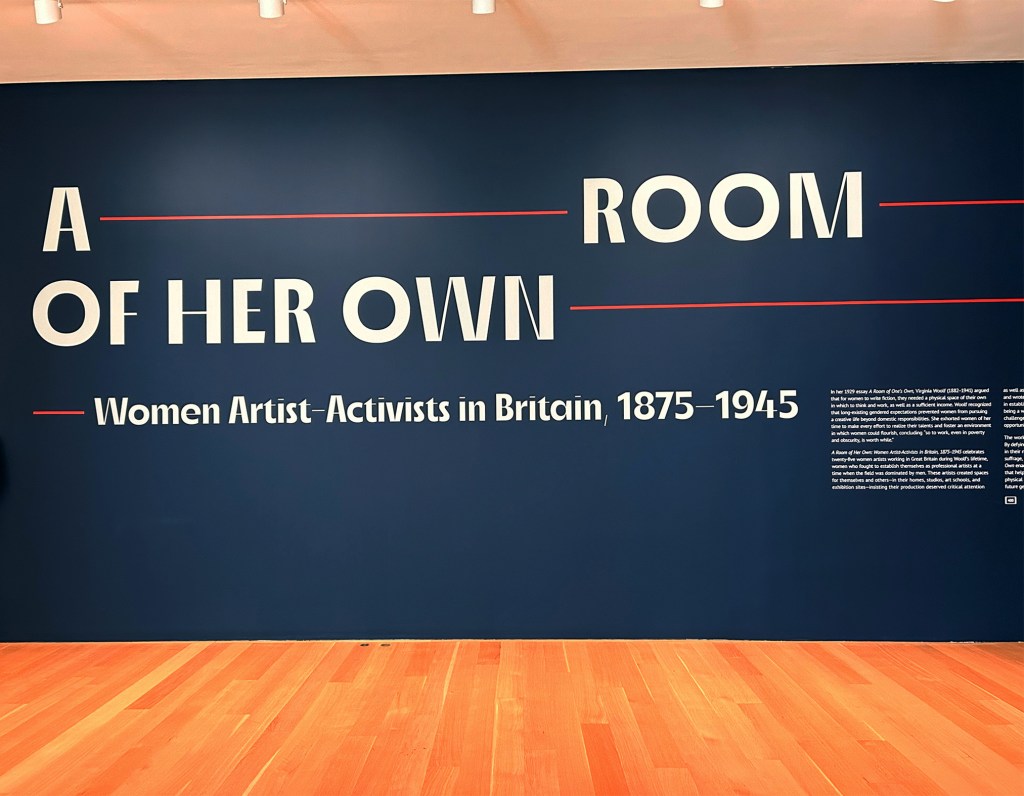
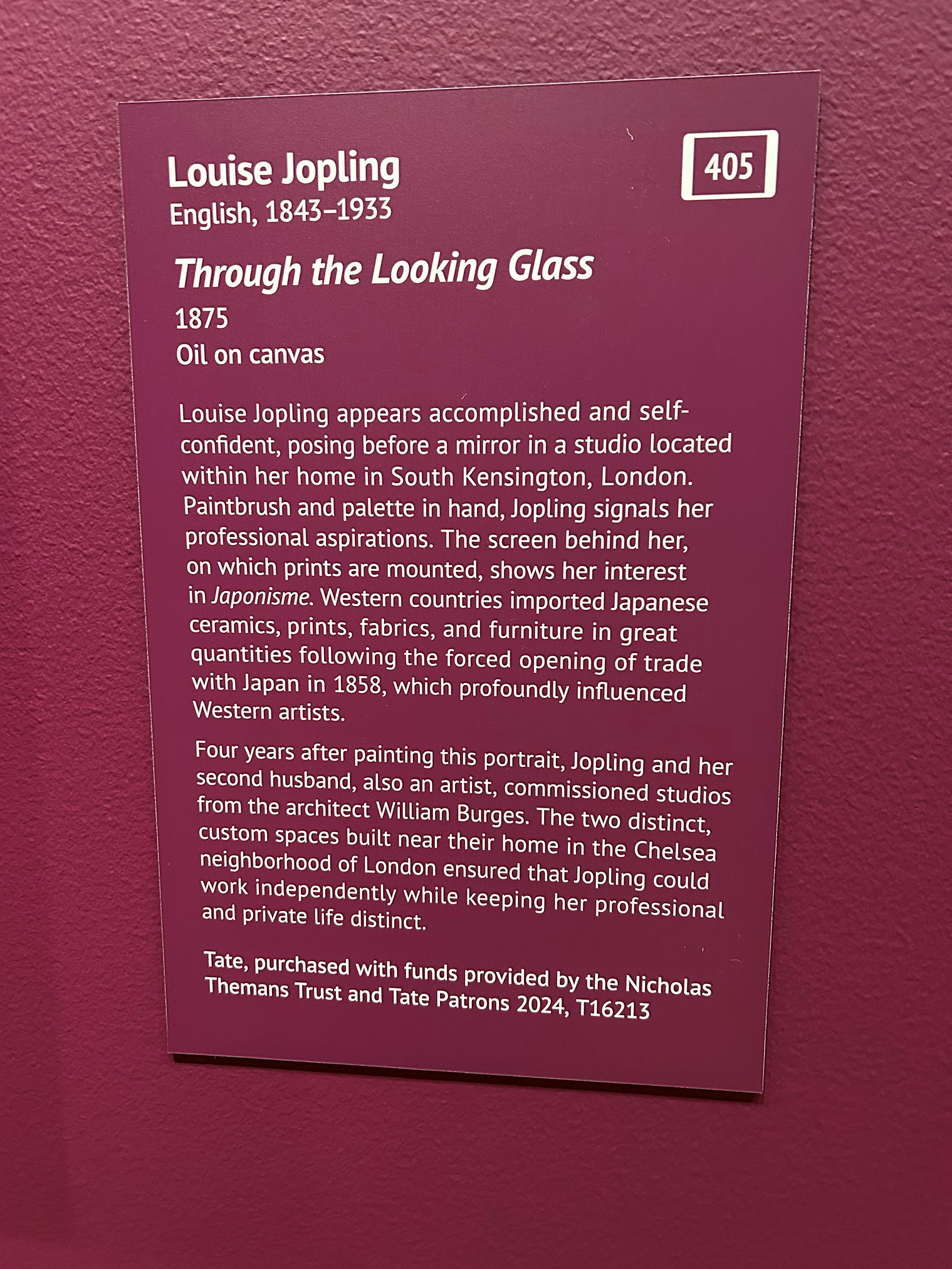
Recent family time with my 2 grown daughters, their husbands, children and their dogs percolated this thought: Both women and their spouses have full schedules with work, raising a family [includes a dog per family], volunteering etc. so then, how do these 2 women have a Room of One’s Own? I credit the exhibit now at the Clark Institute of Art, A Room of Her Own: Women Activists-Artists in Britain, 1875-1945, for germinating that thought surrounding my daughters. I encourage you to experience this exhibit; it runs until September 14, 2025.
The 1929 essay, A Room of One’s Own, was written by Virginia Woolf. You can see the tie between the title of the essay and the name of the exhibit. And if you read Ms. Woolf’s essay, all the better.
Photos taken, courtesy of Clark Institute of Art
Consider this post a “trailer” for the exhibit. It’s worth the trip, and not just for the love of art, but that of expanding our perspectives as well our own sensitivities toward women.
EPILOGUE For additional perspective with respect to women in the workforce please refer to the Women in the Workplace 10th anniversary report [published September 17, 2024 by McKinsey & Company]
In our current state of dystopia, many of us choose to distance ourselves from news media in all its forms. All that noise creates too much anxiety, along with all the other discomforts that accompany “news and information.” We are exposed to a colossus of news briefs, articles and “breaking news at this hour” enough to ignite [or bore] the minds of writers/authors well versed in our state of fear, hopelessness, frustration, suffering et al.
Misery knows no bounds, but so does hope and happiness.
Relevance and purpose can hold both good and bad in thoughts and actions, but your choice in one or the other adjectives relies in your beliefs and values that help you deal with your day-to-day. You may not realize–or even think about–your own stoic qualities.
Consider the opening paragraph of Charles Dickens A Tale of Two Cities.
“It was the best of times, it was the worst of times, it was the age of wisdom, it was the age of foolishness, it was the epoch of belief, it was the epoch of incredulity, it was the season of Light, it was the season of Darkness, it was the spring of hope, it was the winter of despair, we had everything before us, we had nothing before us, we were all going direct to Heaven, we were all going direct the other way–in short, the period was so far like the present period that some of its noisiest authorities insisted on its being received, for good or for evil, in the superlative degree of comparison only.”
When you realize you can’t control everything, but manage the ones you can, then you’re in a better place than many others.
It happens each year: Spring. It is perhaps the season that celebrates its affinity with renewal, new starts, opportunities, hope and personal rejuvenation. For the past 12-years, The Springfield Museum has held a unique exhibition that acknowledges some of these nuances of change, transitions, challenges, renewal et al.
courtesy Michelle & Donald D’Amour Museum of Fine Arts
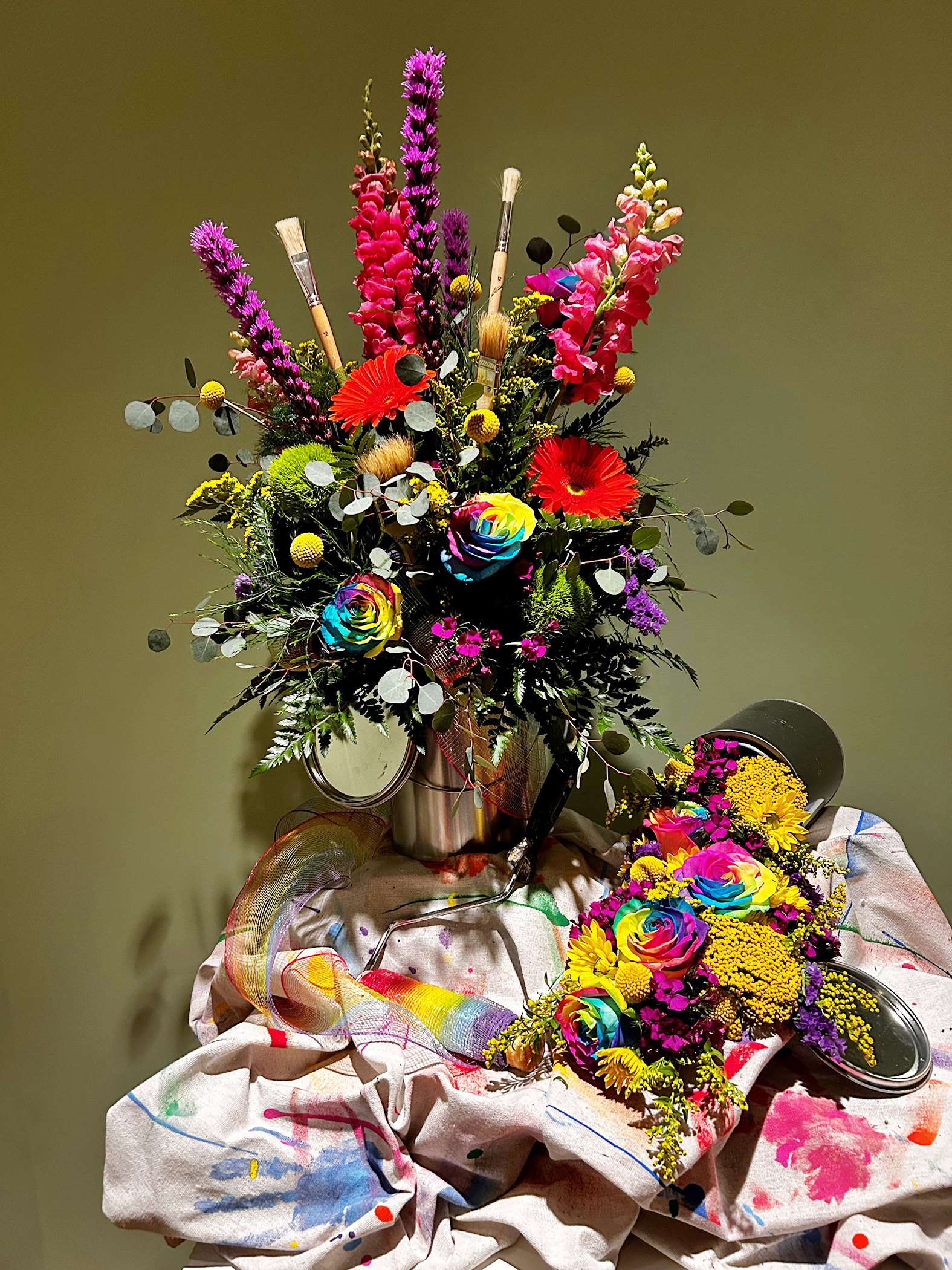
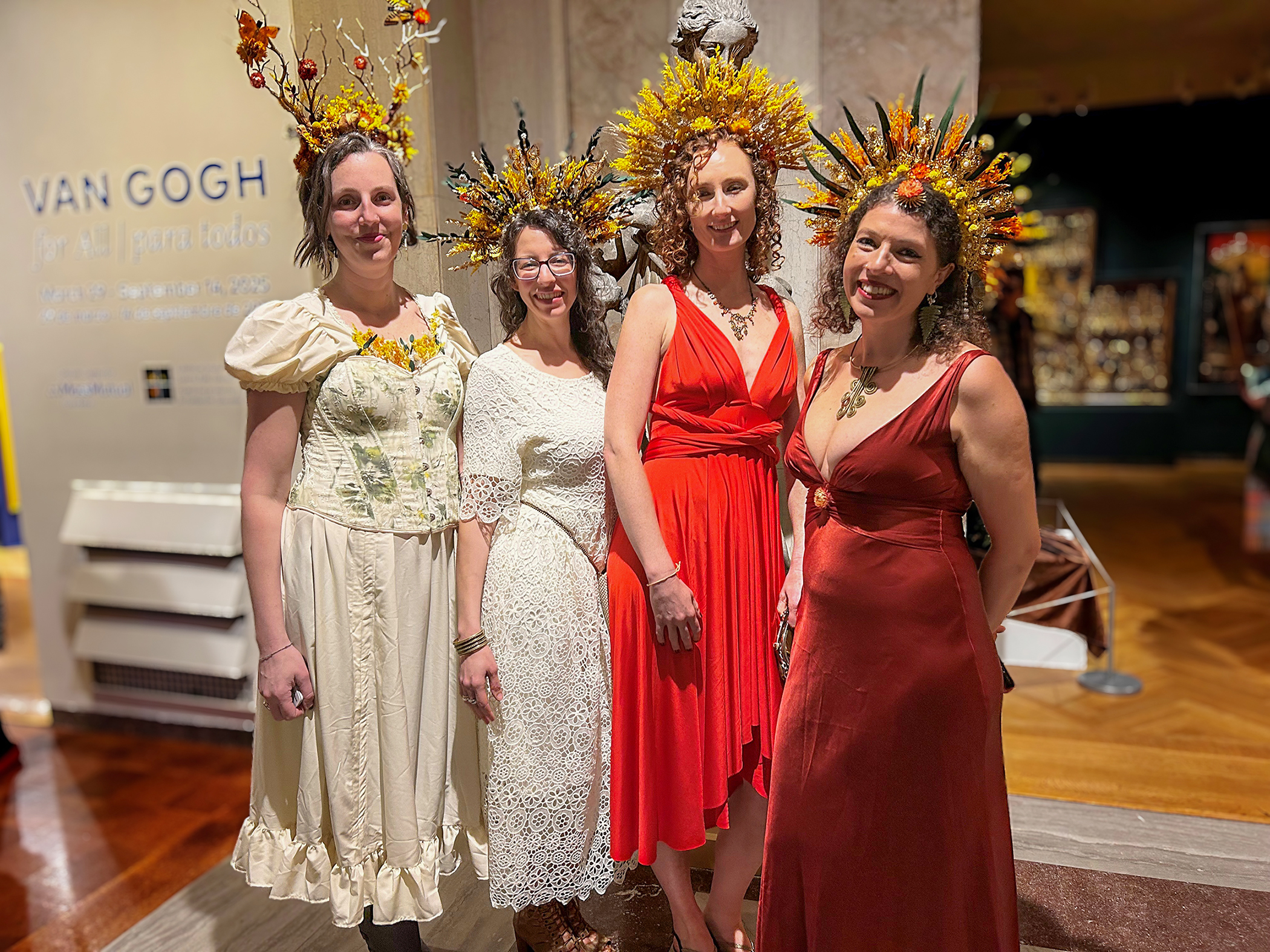
In each of the four museums that make up the Springfield Quadrangle, members of gardening clubs and florists based around the area created arrangements of colors, textures and other details in a manner that would intersect with a selected painting or other creation within the museums.
The creativity range was as eclectic and electric as anything I’ve seen, simply because of the relationship that attempted to “unify” two discreetly different pieces of art.
The juxtaposed subjects provided depth, perspective and of course relevance through the use of color and hues, manifestations of the blending of material, thread size, color, props, textures and so forth.
Some arrangements did not have a direct connection to a piece of art in the gallery. My sense is that such arrangements–such as the one displayed above–were created to compliment art already sitting in that room.
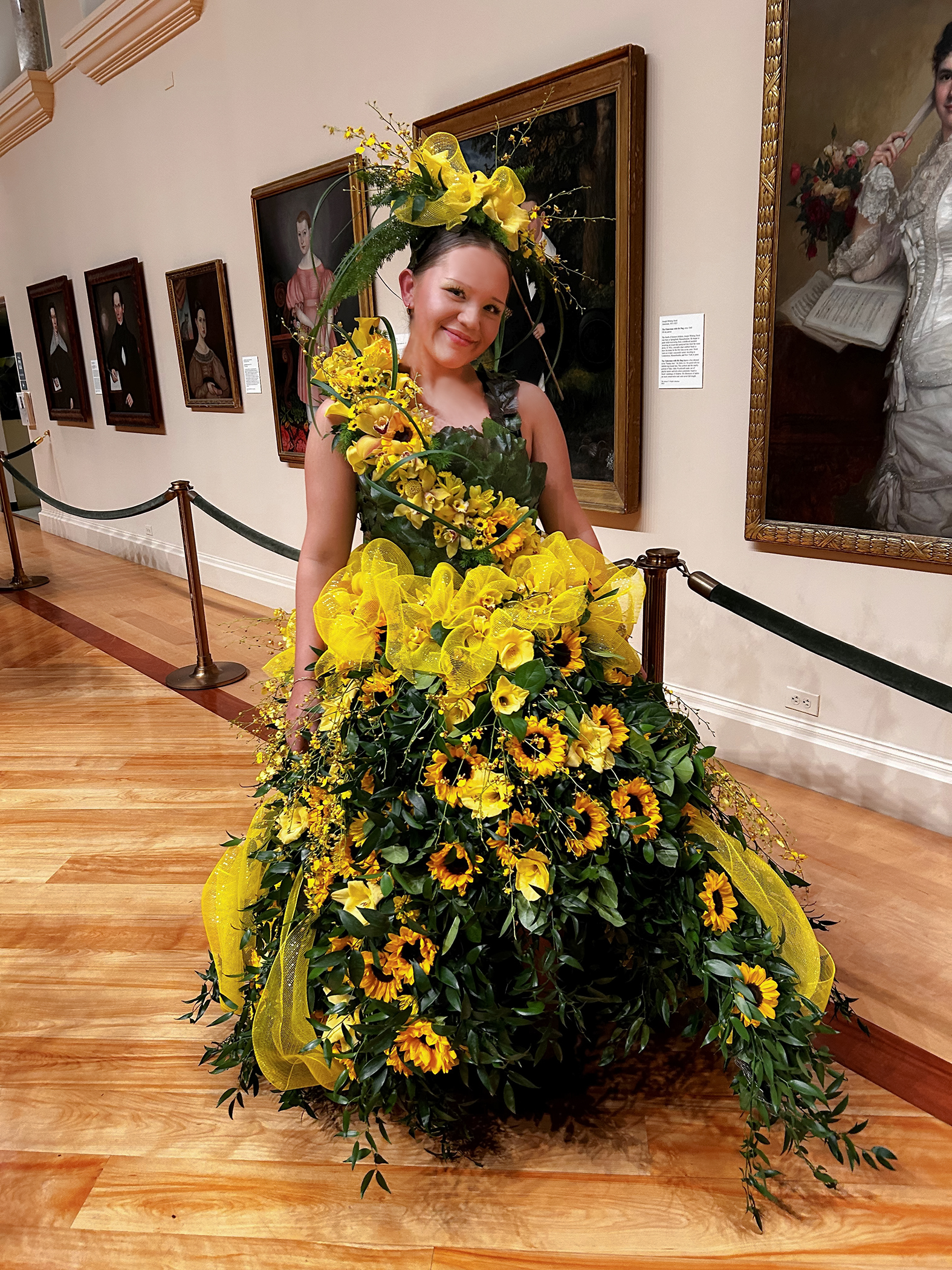
From headwear and accessories to…..
….gowns made entirely of real greens and flowers, the creativity was beyond words! Next April 2026, should be an interesting installation! See you then.
I’ll admit that it can take a lot out of you when winter conditions pin indicators below the norm [temperature, wind chill], or above the line [accumulation and severity of snow/freezing rain/sleet]. By February, a good number of folks are pining for—some hoping through a telekinetic event—the arrival of spring. Yet in spite of our incongruous sentiments about winter, its been said that residents of Scandinavian countries can make the best of it. Perhaps their overall acceptance of this perennial cold, snow and short days has something to do with the their countries having “the happiest people in the world.” Is there an attitude, a perception that we’re altogether missing? Warmer clothing compared to ours?
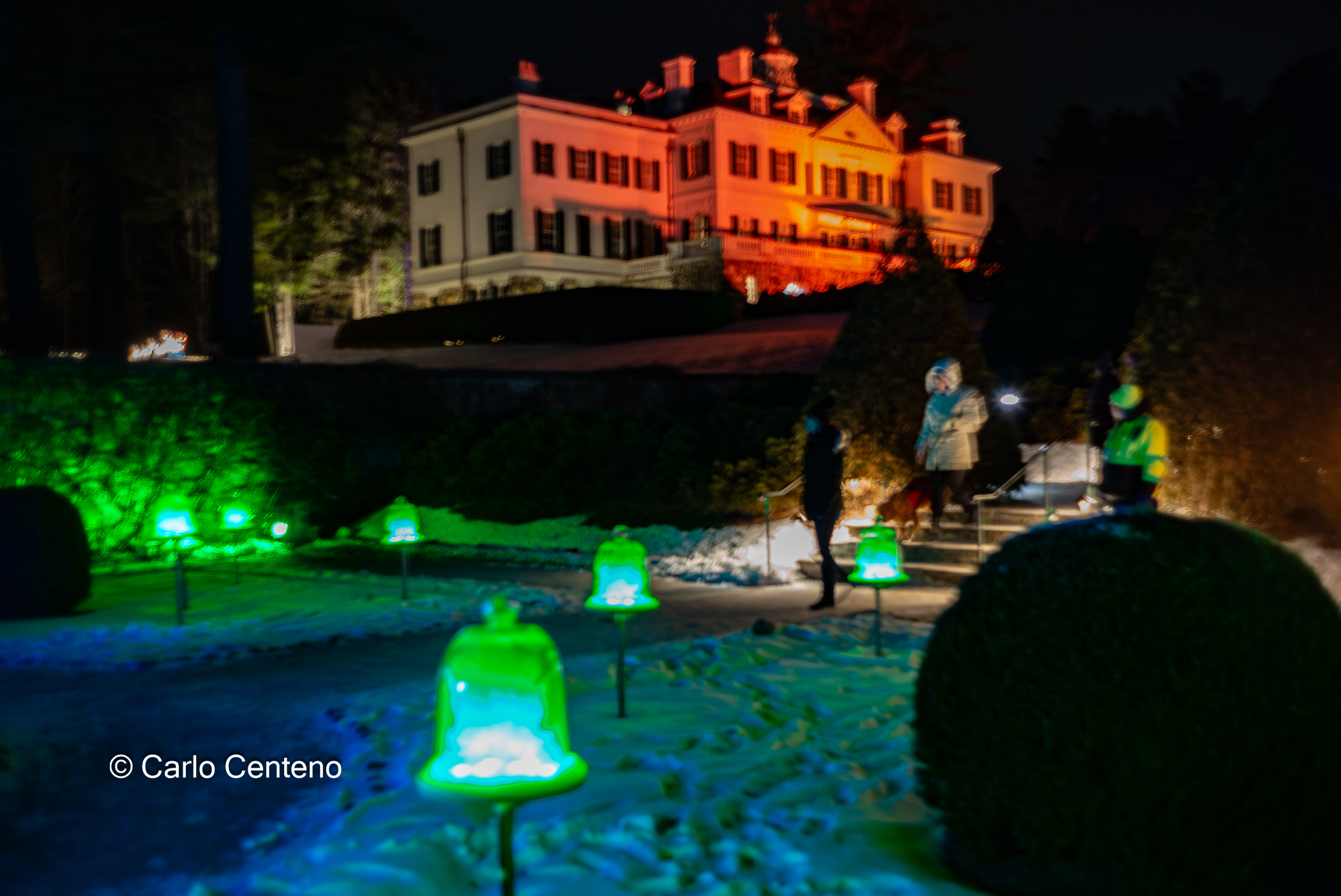
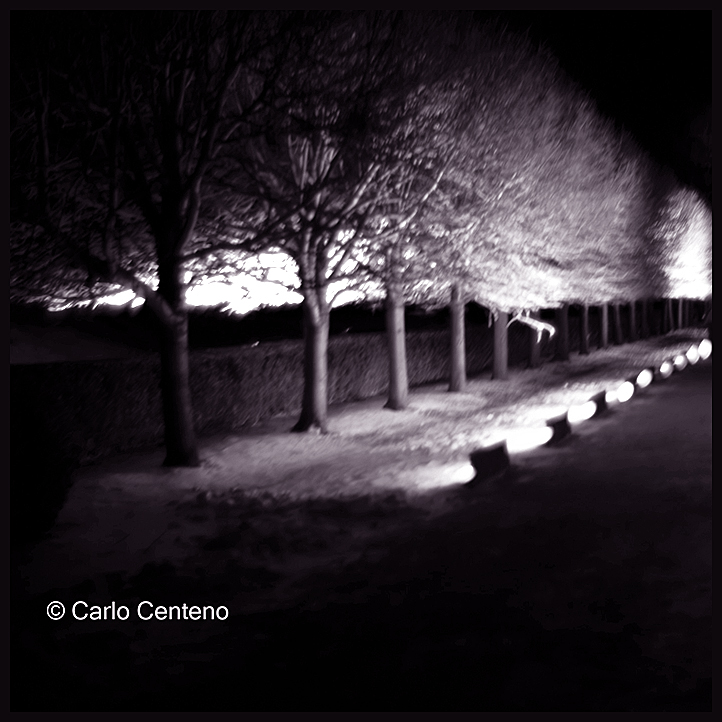
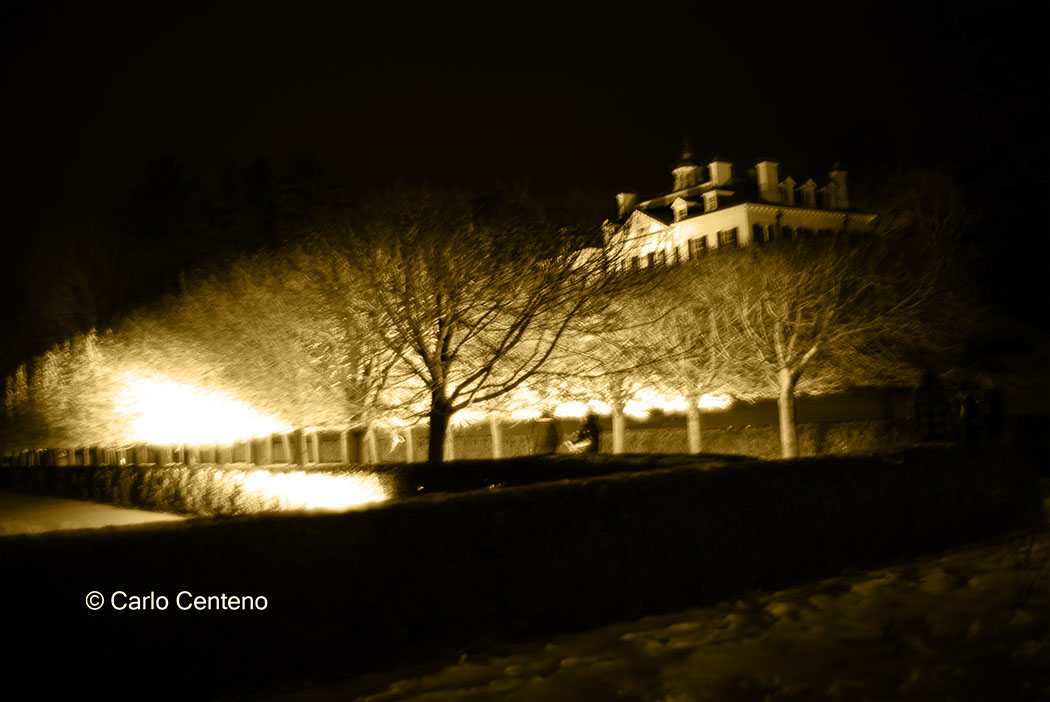
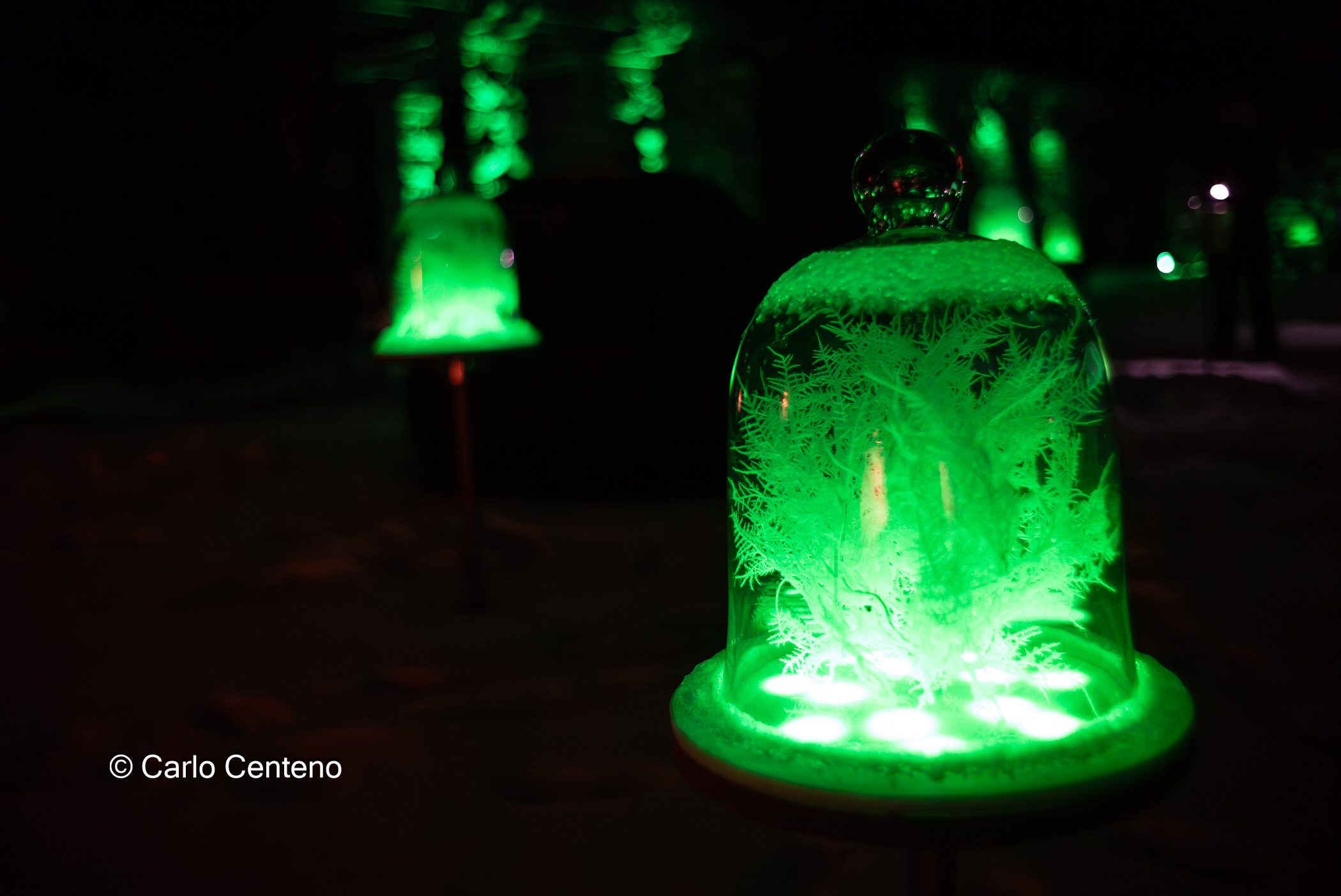
We’ve [me and my wife, MJ] made treks to the Berkshires all year long with additional stops during winter. Some of these stops included special outdoor exhibits of which 2 come to mind: The Mount, Edith Wharton’s home, and also at Naumkeag Estate. The photos posted here are from Nightwood, and it was a wonderful stroll along the garden pathways and woods at The Mount.
Appropriate winter clothing makes a big difference; it does get colder in the Berkshires. Key details: wool sweaters, base layers, even hand warmers. Along a mile-long path cutting through the woods and gardens, the exhibits appear like waypoints on a map. Each installation carries its own interpretation of light, while an original music composition aurally ties everything together.
My interpretation of The Mount exhibit centered around the intensity of each installation, vis-a-vis the light itself. Using B&W images had provided [for me] a key, old-school tenet of imagery: simplicity allows interaction between the visitor, and the subject at hand. Put another way, monochromatic images transcend continuity. Color images offer validation to what we see because we readily see color. Yet color can be distracting. Not a slight, but just a matter of fact.
For me, I’m drawn to B&W images because of its tonal consistency. Black & white does not have the influence of color, and yet allows me to see the entire image and all its nuances.
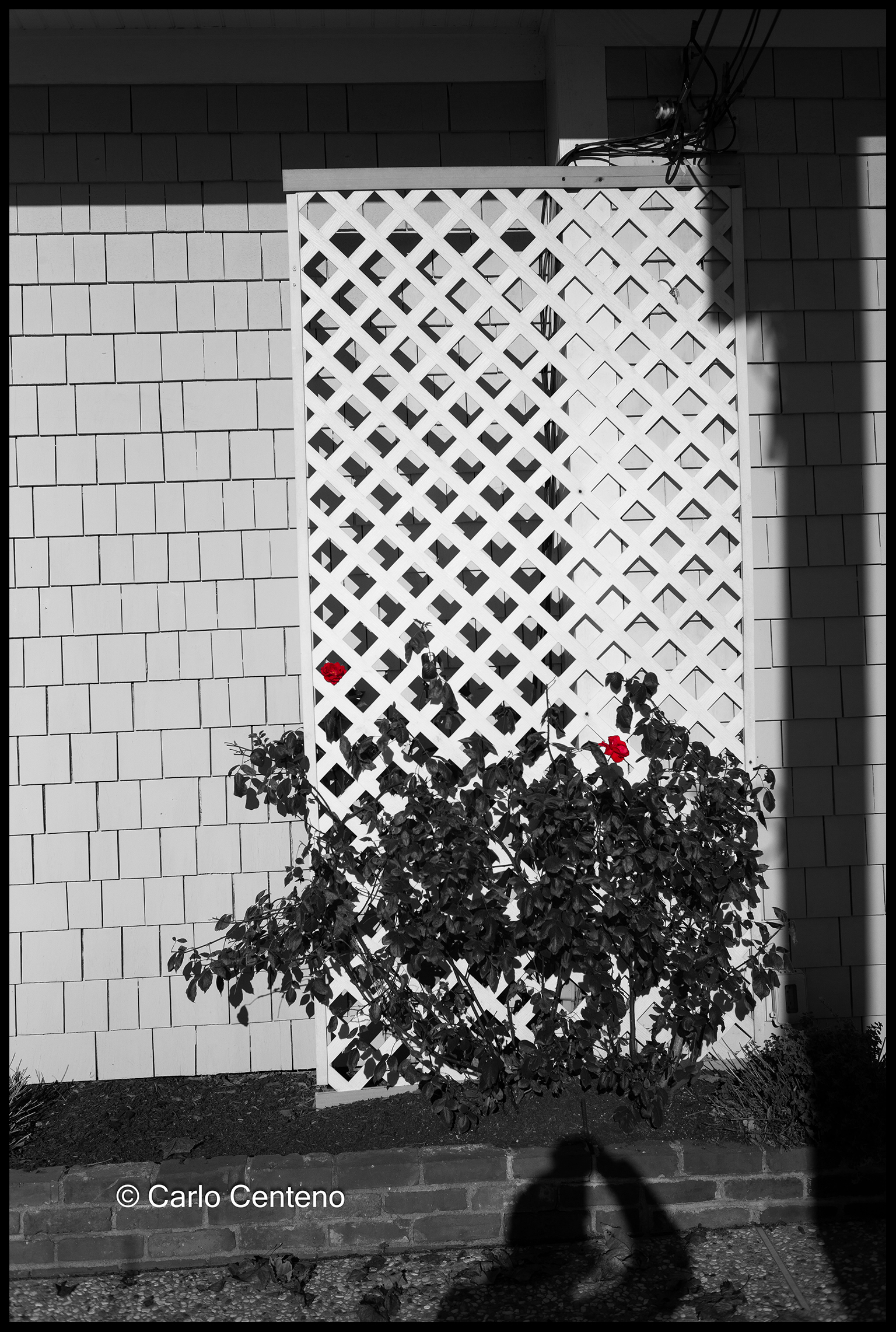
I, along with others like color images , but there are times when color feels more like a distraction. A single color that’s part of a smaller detail is enough to pull you away from the whole and down into a rabbit’s hole. Still, B&W does have a way of binding together the elements that make up the photograph, all within the inimitable, ever valid black & white palette.
[Dylan Thomas, poet; Do not go gentle into that good night.]
Do not go gentle into that good night, Old age should burn and rave at close of day; Rage, rage against the dying of the light.
Though wise men at their end know dark is right, Because their words had forked no lightning they Do not go gentle into that good night.
Grave men, near death, who see with blinding sight Blind eyes could blaze like meteors and be gay, Rage, rage against the dying of the light.
And you, my father, there on the sad height, Curse, bless, me now with your fierce tears, I pray. Do not go gentle into that good night. Rage, rage against the dying of the light.
I’m not alone on this one, but it seems that many channels of communication [discussions, social media and various online postings, news media, e.g.] are quite inhospitable. Of course not all content is an incorrigible exaggeration, but it does seem that we’ve gone myopic of a rule that involves interaction and in particular, discussion, between different POVs. Essentially, such discussions are cleaved in 2. There are some instances where discussions cannot abide with the adage, One can disagree without being disagreeable.
Ironically, much of what we do that makes us feel lost, infuriated and misunderstood is, indeed, something that’s very human. And of course, we can be intractable and obstinate just as we can be manageable and flexible. It’s been said that politics and elections are catalysts to conditions of inflexibility, among other reactions and situations.
Consciousness Fine Tuned
Being aware of yourself and how you think about everything around you is uniquely yours. There are a few theories which attempt to explain consciousness, but one written by a researcher at Boston University School of Medicine is one which mortals like me can comprehend. The end of October has rendered our landscape into a wonderful palette of autumnal colors: the reds, orange, yellows and hues in between are as beautiful as I’ve ever seen. I share this because watching and/or listening to the news is taking the wind out of my sails. So, to fine tune [or tune out] the bad vibes plaguing airwaves, print, and online, I retreat to places where I can hear my thoughts and submit to various feelings coursing through my consciousness.
You could say that I’m “rebooting” my consciousness, but I feel it’s more like a “recalibrating” effort to keep my sanity more or less where it’s supposed to be. The quiet and calm of places such as these act like a rheostat where mood, color, the smell of the air and so on can be dialed up or down or not at all. In doing so, I’m reminded that the angst raging between factions entrenched in ideologies are obstacles for realizing a common good. The greater good lies dormant, restrained with indifference and the stubborn personas that make life uncomfortable.
There’s no denying the subjectivity of consciousness, but there are constructs within it which allow for common ground. Without those common constructs co-existence would be, in a word, Sisyphian.
I look to writing and chasing the light, feeling immersed with either one or both, to purge distress, sadness, loss of concentration, etc. Certainly, when your mind is busy with something good, a good that pulls you away from angst, then jump in. I won’t be chagrined by situations beyond my reach. It’s a waste of energy and time grinding about things I cannot control. That’s easier said than done, but I remind myself to ruminate less on what weighs me down and instead examine alternatives that have helped me before.
Can anyone deflect dissonance long enough to find even the smallest gesture or comment that closes distance and transforms distraction into possibility?
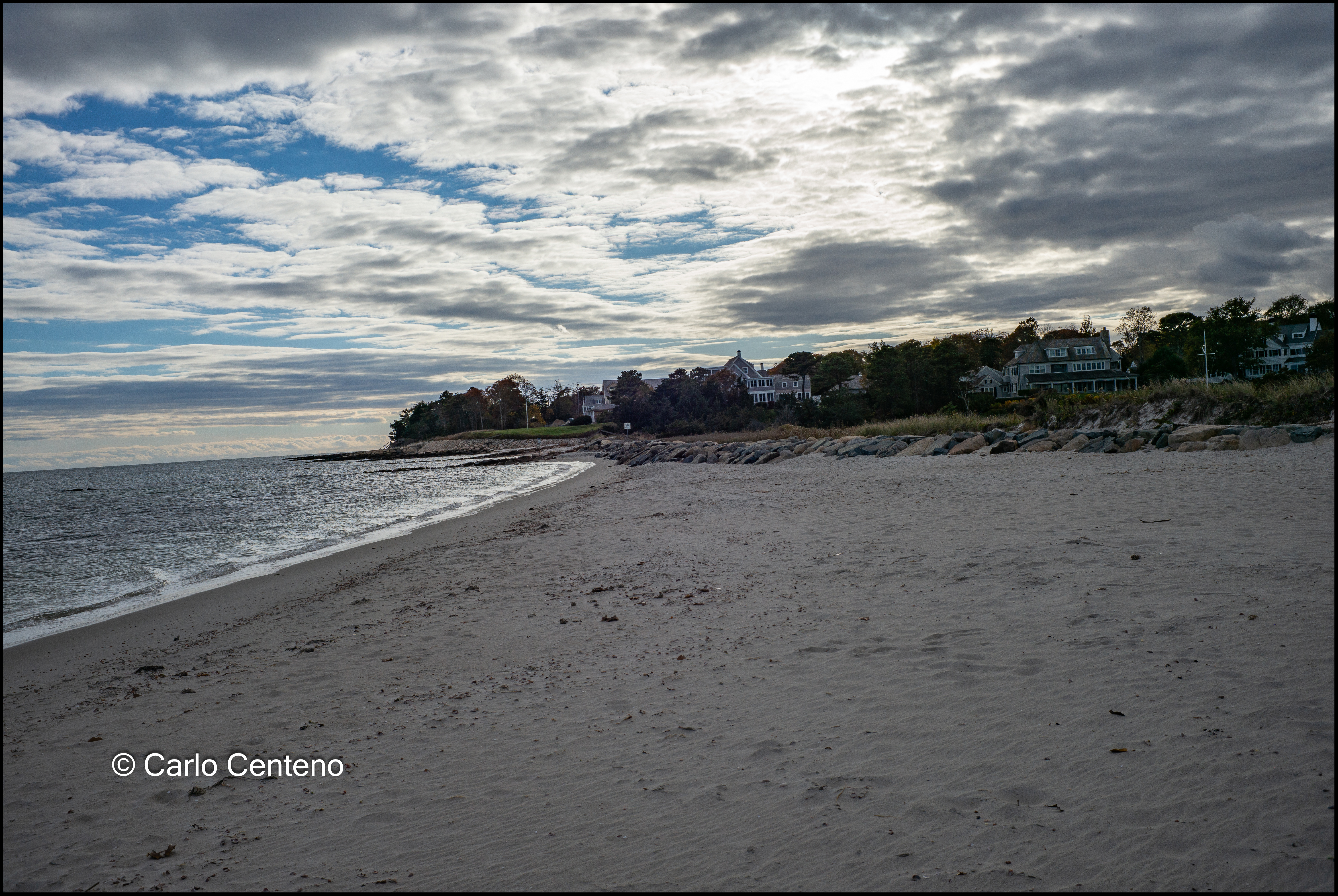
I relish the 4-seasons here in New England. I have preferences for the times in a year that are cooler and less humid, but I also welcome activities and distractions that come with the other seasons: longer daylight hours, trips to Cape Cod in Massachusetts [salt water and salty air are genuinely therapeutic], visits to the Berkshires and so forth.
How do you take care of your sense of–or even recalibrate–consciousness?




























 Carlo Centeno