Modern Soliloquy

Back in the day, “soliloquy” was a word associated with theatre. There have been some powerful, mindful soliloquys, many found in English Literature. William Shakespeare and Robert Browning come to mind; the former for his plays, Browning for his poetry.

I find myself tuning into my inner self with soliloquys. These are not conversations to me, but a way to be honest with myself. In the process, I voice [in my head…..not out loud]. the deepest feelings which need to be brought out from the inner sanctum of my soul. These sentiments, perceptions and more, represent a personal unspoken anthology of emotions which remain exclusive to myself. Everyone should try their own form of soliloquy. You become the subject as well as the audience. The orator speaks to the most relevant, but private person in his/her life.

A recent trip to the Massachusetts Museum of Contemporary Art [MassMOCA] located in North Adams, MA is one location that gave an opportunity for reflection and acknowledgement. Come to think of it, most any museum makes a strong location for a soliloquy. Other alternatives abound: a beach, a park, a forest, a solitary space, even a space filled with people. The options are varied, but I do believe, like the soliloquys expressed in plays, poems and so forth, a place relatively quiet proves hospitable to many. A calm atmosphere is a priori given the breadth of one’s soliloquy.

Where ever you stand, and what ever you see, there lies a confluence of provocations that may come to the forefront of your thinking or introspection. The time stamp—from which these thoughts come from—depends on its significance: an early relationship gone awry; a current relationship that seems too good to be true; the unknown realm in choosing one option over another; the challenge of working through options in light of a chronic condition that will not stop let alone disappear. There’s a universe of profound feeling and thinking we can only imagine.

The above photos are from the MassMoCa’s permanent exhibit, The Boiler House. When you walk into the building, you’re visually overwhelmed with the scale and the number of boilers, pipes, connectors and vents that course over the entire space. If there ever was a place that made me feel Lilliputian, this is at the top of my list.
The Boiler House is the facility that provided heat to all the space before it became MassMoCa. There are several floors, though I believe only the first 2 are open for visitors.
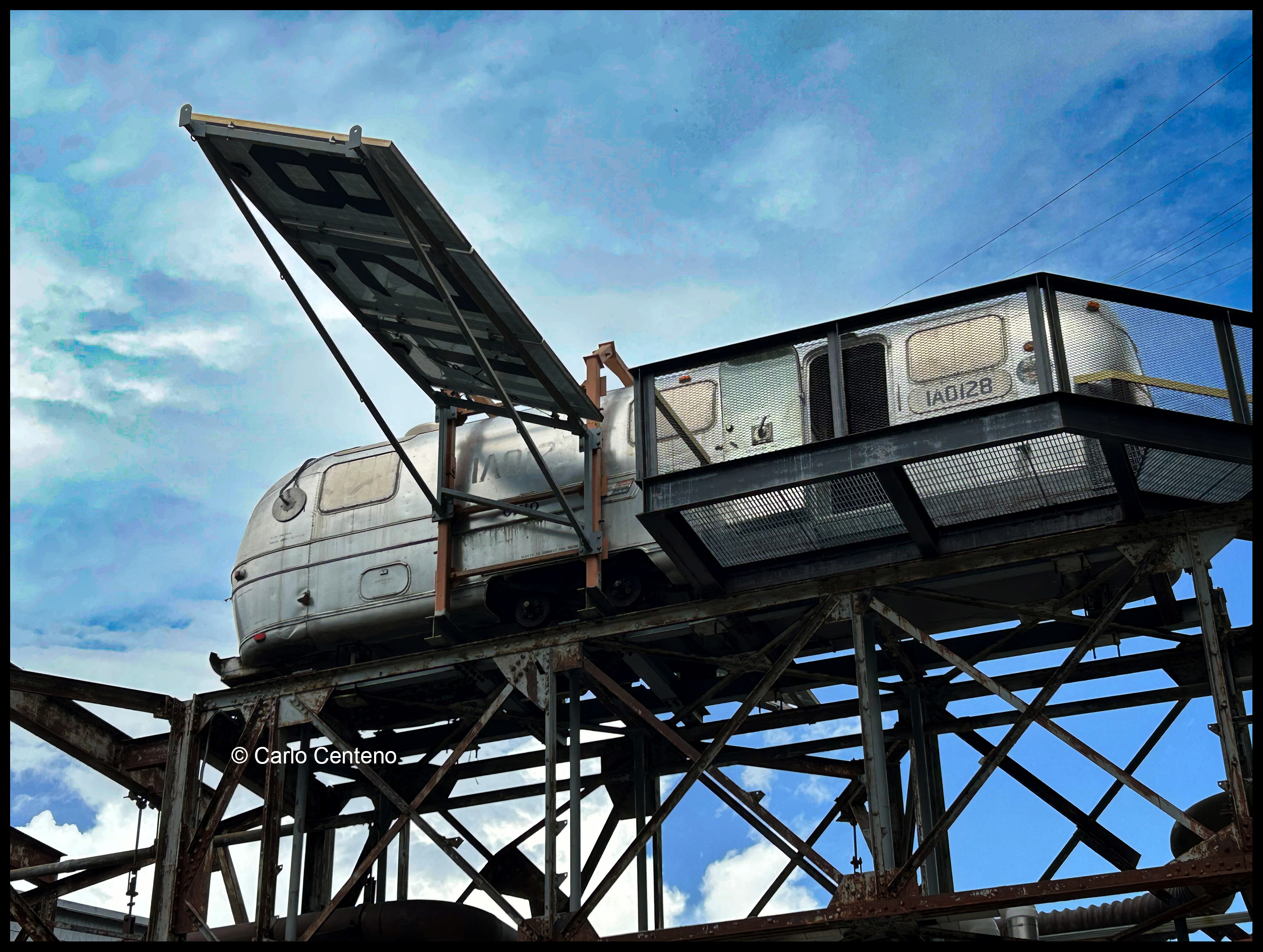
Suspended on tracks next to the Boiler House is an Airstream trailer. A walkway takes you to and from the Airstream to the Boiler House. This is the work of Michael Oatman, entitled “All Utopias Fell.”
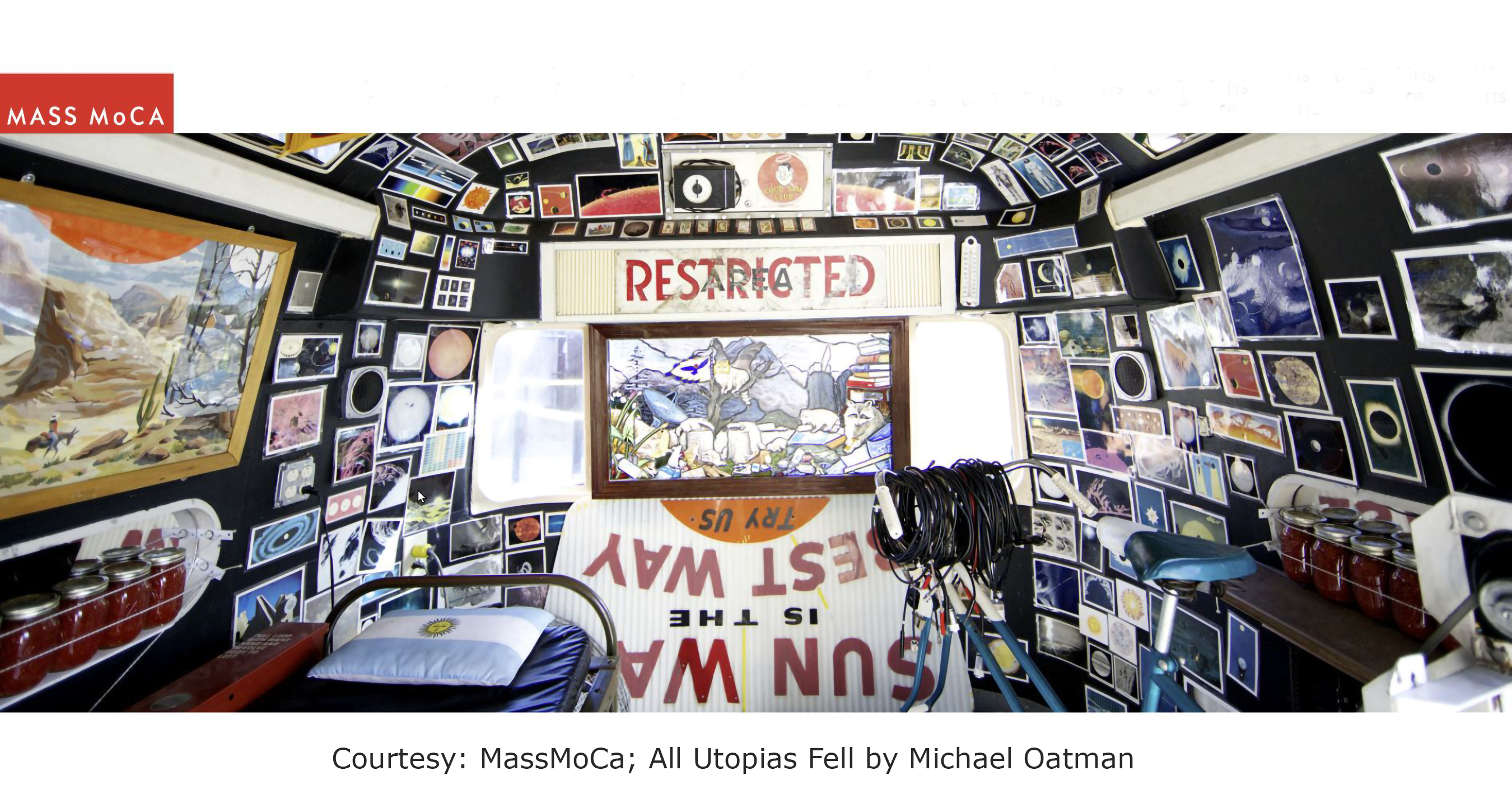
A common theme in my soliloquy is this search for order and purpose, or a clarification of both. This is a challenge as I tend to overthink, excessively evaluate one over the other.
Upon entering the Airstream, a myriad of visual elements reach out to you. It’s as if each photo, drawing, sign, piece of paper, object and so much more want to make mental impressions on you, as in right now. This is sensory overload and perhaps a metaphor for the soliloquy stirring in your thinking. It’s as if each piece could be a catalyst for a specific thought process. And once that piece or pieces enters your thinking, you start that introspection or make it progress to another level.

There are several “Why this?” and “What ifs?” within the profound, introspective construct of choices and decisions that are created. The certainty of being your own person, unique and unduplicated by any other, is that choices and decisions you make create the questions that begin with “why” or “what.” And while you and others are individuals in that singular sense, the framework of questioning is common for everyone, but ancillary circumstances are bound to differ between people.

Dr. Faustus, the play written by English dramatist Christopher Marlowe, revolves around the angst of Dr. Faustus agreeing to surrender his soul to the devil in exchange for magical powers. His soliloquy in the last hour before that exchange, is one which poses questions and conditions had the choices Dr. Faustus made were different. Once made, the commitment is binding, non-negotiable. There are no pause, stop or rewind buttons in life.

Shakespeare’s Hamlet is the quintessential soliloquy in my opinion. With new realities [and previous uncertainties] playing out today, themes of life & death, the meaning of our purpose and existence, mortality and vengeance are wonderfully distilled into words that examines all that can detract or enhance our existence.

I came across the last photo as I finished my visit to the Boiler House. It dawned on me that this effigy is a personification of someone covered with details that make up her/his soliloquy.

Navigating Dystopia: Finding Hope in Uncertainty

In our current state of dystopia, many of us choose to distance ourselves from news media in all its forms. All that noise creates too much anxiety, along with all the other discomforts that accompany “news and information.” We are exposed to a colossus of news briefs, articles and “breaking news at this hour” enough to ignite [or bore] the minds of writers/authors well versed in our state of fear, hopelessness, frustration, suffering et al.

Misery knows no bounds, but so does hope and happiness.

Relevance and purpose can hold both good and bad in thoughts and actions, but your choice in one or the other adjectives relies in your beliefs and values that help you deal with your day-to-day. You may not realize–or even think about–your own stoic qualities.

Consider the opening paragraph of Charles Dickens A Tale of Two Cities.

“It was the best of times, it was the worst of times, it was the age of wisdom, it was the age of foolishness, it was the epoch of belief, it was the epoch of incredulity, it was the season of Light, it was the season of Darkness, it was the spring of hope, it was the winter of despair, we had everything before us, we had nothing before us, we were all going direct to Heaven, we were all going direct the other way–in short, the period was so far like the present period that some of its noisiest authorities insisted on its being received, for good or for evil, in the superlative degree of comparison only.”

When you realize you can’t control everything, but manage the ones you can, then you’re in a better place than many others.

Winter Light

[Dylan Thomas, poet; Do not go gentle into that good night.]

Do not go gentle into that good night,
Old age should burn and rave at close of day;
Rage, rage against the dying of the light.

Though wise men at their end know dark is right,
Because their words had forked no lightning they
Do not go gentle into that good night.

Grave men, near death, who see with blinding sight
Blind eyes could blaze like meteors and be gay,
Rage, rage against the dying of the light.

And you, my father, there on the sad height,
Curse, bless, me now with your fierce tears, I pray.
Do not go gentle into that good night.
Rage, rage against the dying of the light.

Consciousness in the Age of Irreverence

I’m not alone on this one, but it seems that many channels of communication [discussions, social media and various online postings, news media, e.g.] are quite inhospitable. Of course not all content is an incorrigible exaggeration, but it does seem that we’ve gone myopic of a rule that involves interaction and in particular, discussion, between different POVs. Essentially, such discussions are cleaved in 2. There are some instances where discussions cannot abide with the adage, One can disagree without being disagreeable.

Ironically, much of what we do that makes us feel lost, infuriated and misunderstood is, indeed, something that’s very human. And of course, we can be intractable and obstinate just as we can be manageable and flexible. It’s been said that politics and elections are catalysts to conditions of inflexibility, among other reactions and situations.

Consciousness Fine Tuned

Being aware of yourself and how you think about everything around you is uniquely yours. There are a few theories which attempt to explain consciousness, but one written by a researcher at Boston University School of Medicine is one which mortals like me can comprehend.
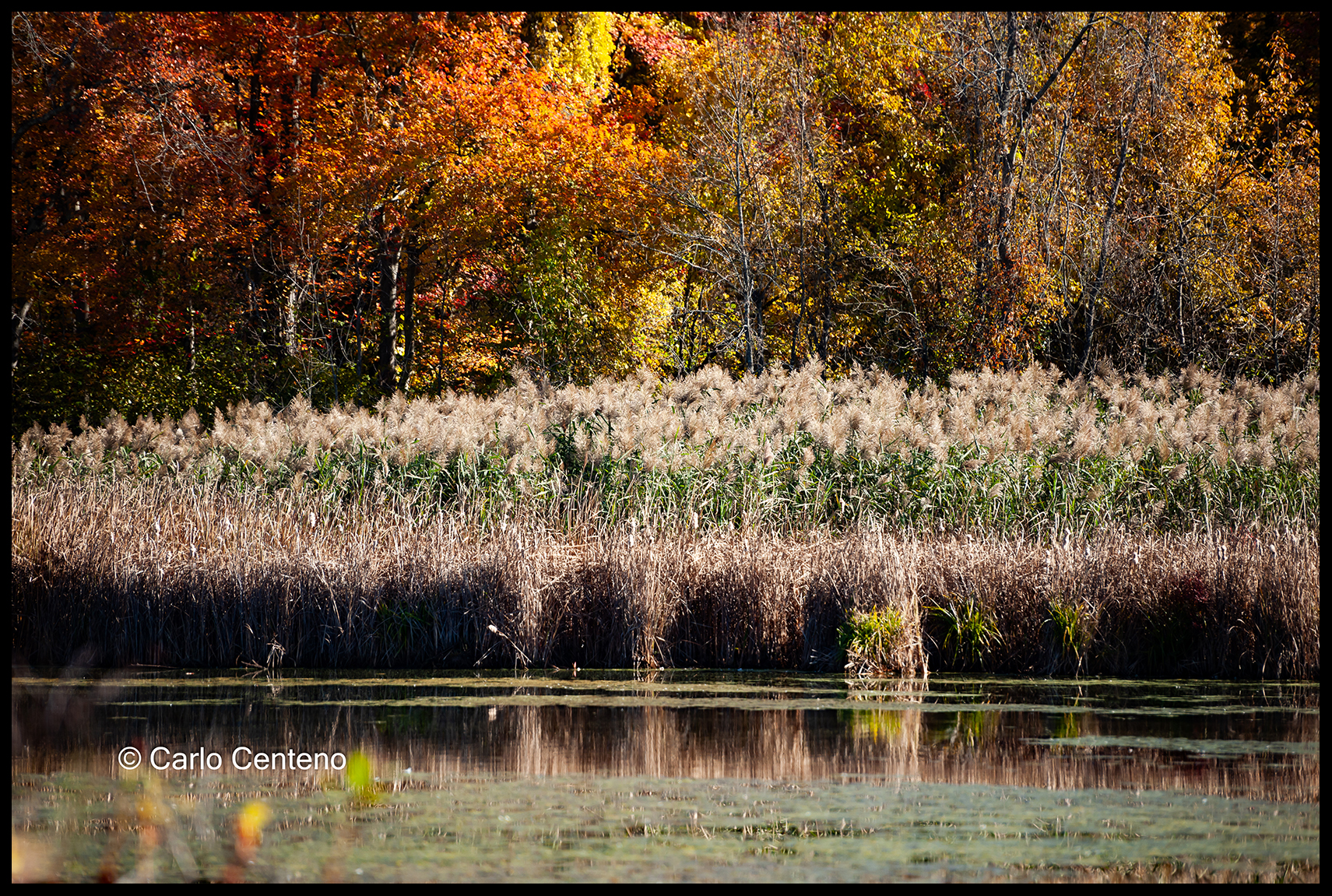
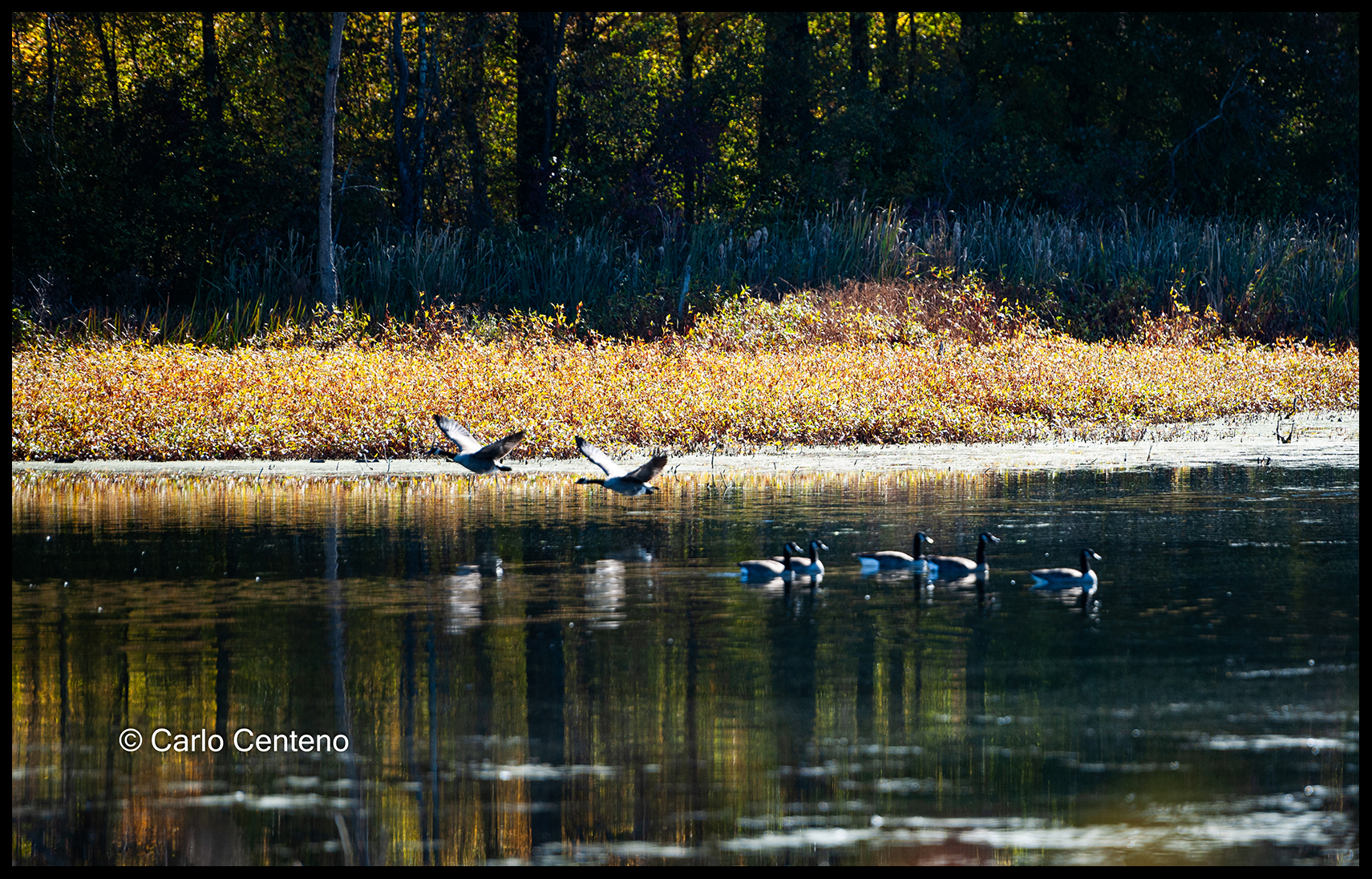
The end of October has rendered our landscape into a wonderful palette of autumnal colors: the reds, orange, yellows and hues in between are as beautiful as I’ve ever seen. I share this because watching and/or listening to the news is taking the wind out of my sails. So, to fine tune [or tune out] the bad vibes plaguing airwaves, print, and online, I retreat to places where I can hear my thoughts and submit to various feelings coursing through my consciousness.

You could say that I’m “rebooting” my consciousness, but I feel it’s more like a “recalibrating” effort to keep my sanity more or less where it’s supposed to be. The quiet and calm of places such as these act like a rheostat where mood, color, the smell of the air and so on can be dialed up or down or not at all. In doing so, I’m reminded that the angst raging between factions entrenched in ideologies are obstacles for realizing a common good. The greater good lies dormant, restrained with indifference and the stubborn personas that make life uncomfortable.

There’s no denying the subjectivity of consciousness, but there are constructs within it which allow for common ground. Without those common constructs co-existence would be, in a word, Sisyphian.

I look to writing and chasing the light, feeling immersed with either one or both, to purge distress, sadness, loss of concentration, etc. Certainly, when your mind is busy with something good, a good that pulls you away from angst, then jump in.
I won’t be chagrined by situations beyond my reach. It’s a waste of energy and time grinding about things I cannot control. That’s easier said than done, but I remind myself to ruminate less on what weighs me down and instead examine alternatives that have helped me before.

Can anyone deflect dissonance long enough to find even the smallest gesture or comment that closes distance and transforms distraction into possibility?

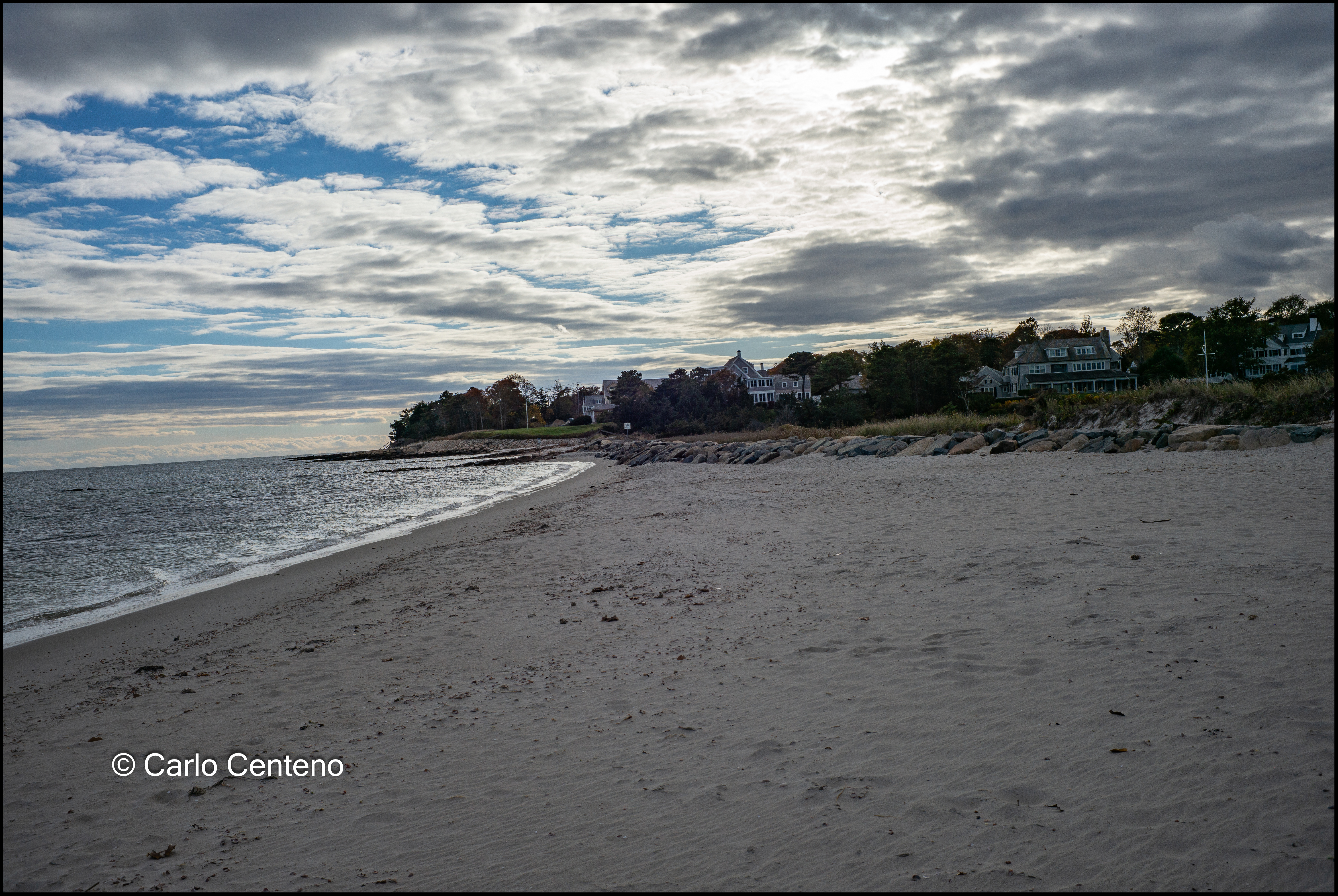
I relish the 4-seasons here in New England. I have preferences for the times in a year that are cooler and less humid, but I also welcome activities and distractions that come with the other seasons: longer daylight hours, trips to Cape Cod in Massachusetts [salt water and salty air are genuinely therapeutic], visits to the Berkshires and so forth.

How do you take care of your sense of–or even recalibrate–consciousness?

Get Closer

It was home back in the day. Situated on 48 acres, the “cottage” contains 44 rooms.

Have you ever tried to look at something right in front of you and discern one particular detail. It could be anything: color, shape, texture, scale/size, any specific object and so forth. I’m referring to a single element that piques your attention, whether the element is large or small, plain looking or colorful, simple or complex by design.
Naumkeag offers history, a feast for your senses and options to indulge in a location that’s an antithesis to our present-day way of living. So, with an unhurried pace, walk the grounds, examine the gardens, enjoy the vistas and of course the house that was the summer home of prominent lawyer, Joseph Choate and his wife, Caroline. They referred to their residence in Stockbridge, MA as a “cottage.”
You don’t need to be a cognoscenti to appreciate landscape design, flowers, stonework, or architecture. No agenda, just a dose of quiet time in a locale that puts you in the Housatonic River Valley, a place in the Berkshires as pastoral as any you’ll find across New England.

Naumkeag is a cornucopia of details. You’re offered a buffet of elements that rightfully distract you from monitors, traffic, deadlines, meetings along with other indeterminate noises. Granted the elements–or distractions–are innocuous, there’s a realization that having these very details shrink the less important, stressful elements that occupy your mind. Well, at least in my mind.

Where’s my focus? Is it obvious to you? Can it as much be yours as it is mine?

You might say this is an exercise in discernment, a way of sharpening perceptions, a means to refocus on other details/elements that may lead you to another level of thinking. The process is still your own, but this time, you’ve given yourself the beginnings of a map that’s genuinely yours.

A benefit of these sorties is this sense of life copacetic; in spite of the routines and doldrums, there are moments that are the opposite of what ails us. In the world of art and the written word, we can see and feel just about anything. Having a sense of place, in this space and time, not in your past and where the future is not promised to any of us, the now matters. That’s it. Don’t waste it. Appreciate don’t pontificate.

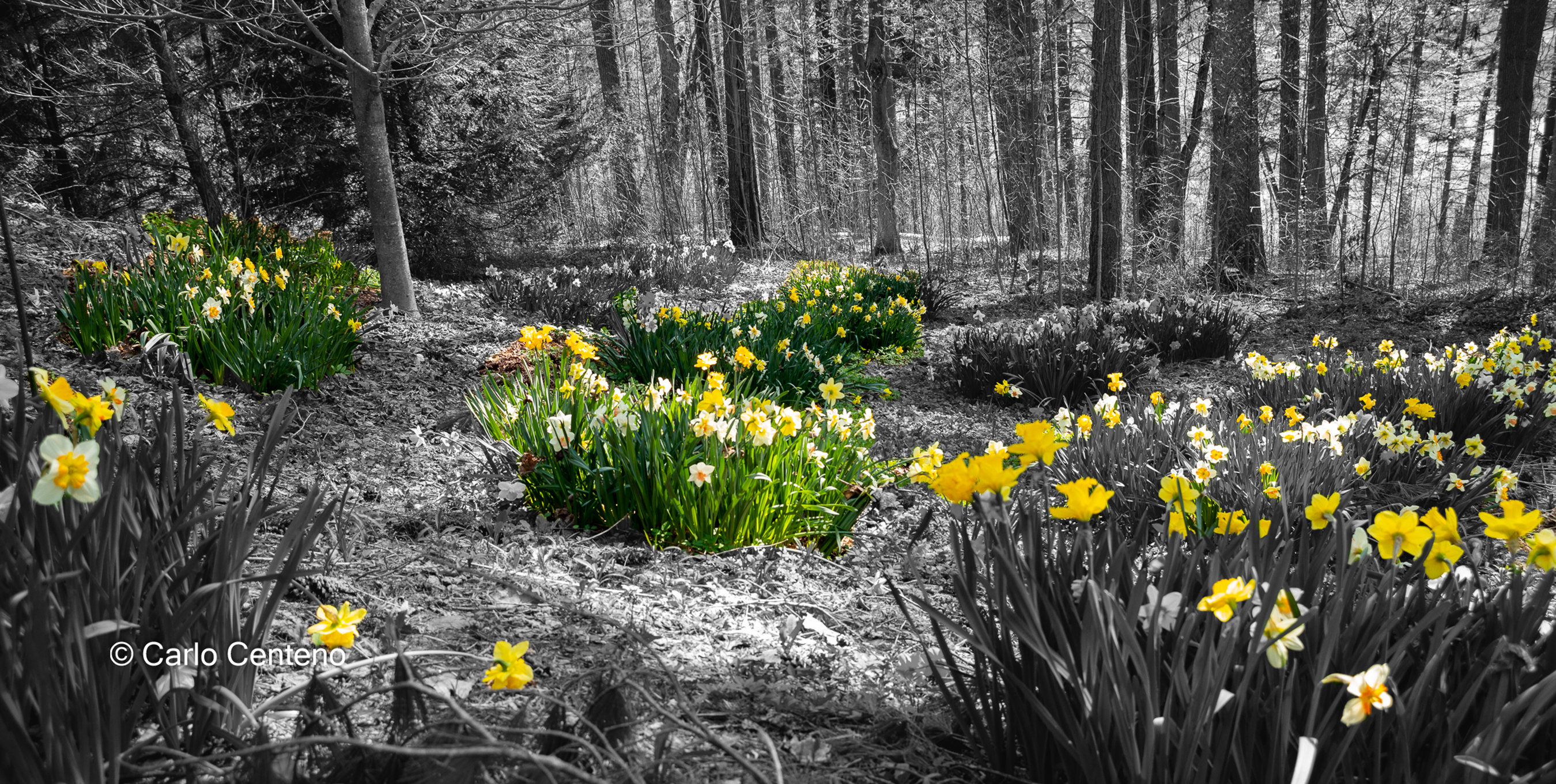
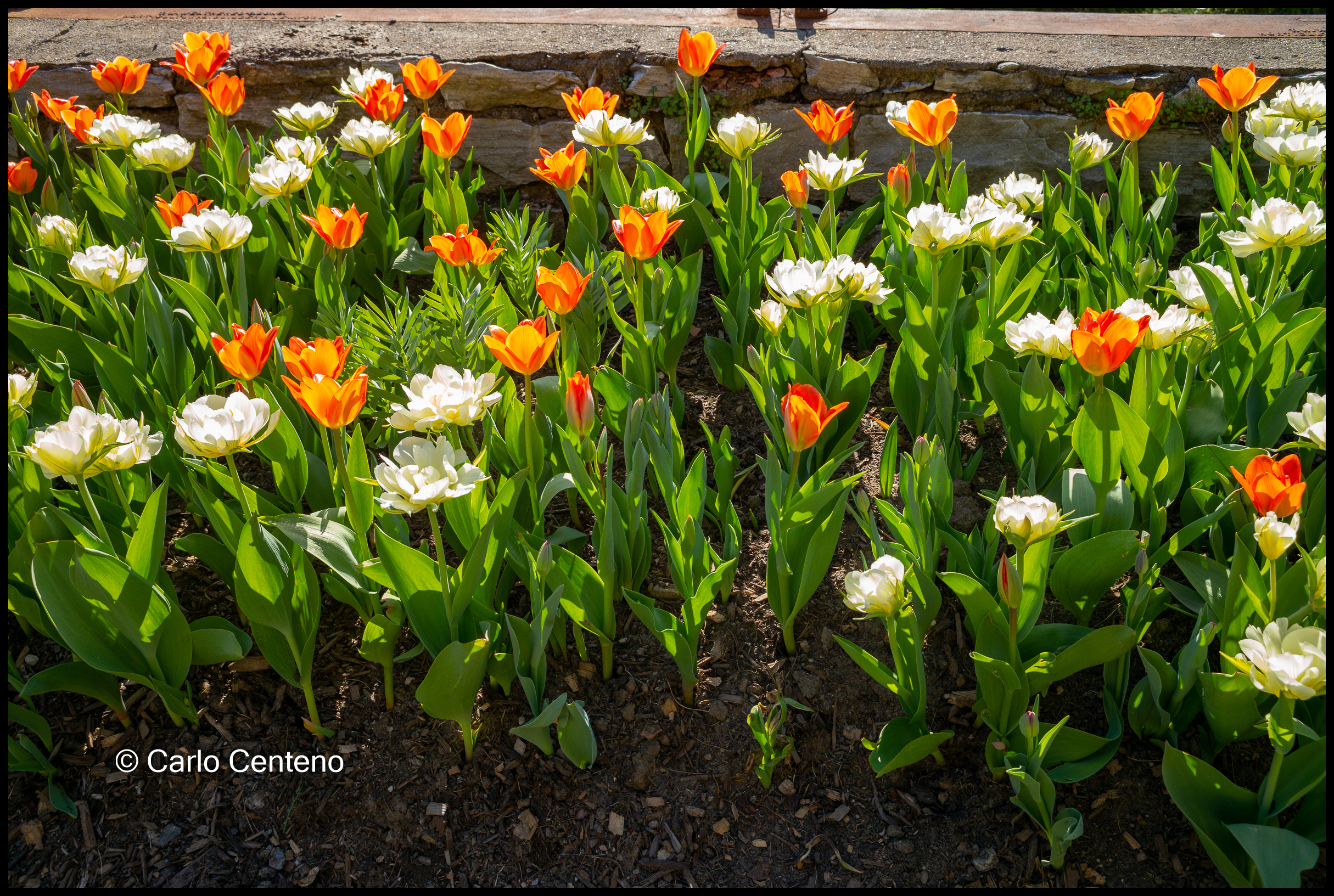
The exercise of pulling a detail out and away from everything else pushes me to consider and associate with another perspective of whatever detail I look at. The reds and yellows in the tulips appear even more intense when surrounded by the middle greys in the photographs. The broadleaf in one corner of the greenhouse looks healthy, in large part because of the depth of its green color. Nothing has changed really, and neither have the proprieties of the object or the surroundings. What’s changed is the manner in which you deconstruct details.

Those with a proclivity to capture details can notice more than what meets the eye. Beyond colors, tendrils of an iron chair, the gradation of a solid color to one of a lesser though similar hue, I tend to go toward an object, experience or what have you, that’s relevant to my personal history. You might say it’s akin to a word association game, a yin-yang of opposites as well as things similar.
The associations can be personal, simple or complex, a source of light-heartedness or burdened echoes ruminating within your memory.

This is a modification of the immemorial saying, Stop and smell the roses [or tulips]. Instead, reframe your perspective: You can see the big picture, but details bring you closer to the value of the picture.

Life Lessons

It’s been said that everything you needed to learn and know in order to get through a day was taught in kindergarten. That was the early-in-life primer, essentially a course in fundamentals: polite behavior, expressions of gratitude, common courtesy and common sense in all things you say and act upon.
Some life lessons around loyalty, unconditional love, patience, trust, kindness–among others–were influenced by my dog, Humphrey. Naturally, various experiences with family, teachers/professors and good friends added to that mix as well, as well it should.

Humphrey

Humphrey was a miniature cockapoo, but there was nothing small in his character or demeanor. Simply put, he acted like he was the biggest, baddest, dog east of the Mississippi. He possessed a radar that had a way of measuring and reading the nature of most grown ups, and of course other four-legged creatures [read: neighborhood dogs he didn’t quite like]. I’ve heard it said that the size of the dog doesn’t matter as much as the size of its heart. And that little guy had a huge heart.
Children were another story. He was comfortable around them. Humphrey was just as curious about kids, as the kids were with this little guy. Throughout his life, many thought Humphrey to be a puppy. In a sense he was that in many ways.
Our winter dress code.

It makes sense to me that the weight and burden of grief that comes from the loss of a pet correlates to the amount and type of affection you gave the pet, and vice versa. Reciprocity at its finest. Quite frankly, that equation is the same for family, significant others and close friends. When you truly care about someone or something, you give it your all, certainly your heart and soul as a minimum.
MJ and I support each other in all of this. She did, indeed, have a big part in Humphrey’s life, as did our kids and grandkids. Those connections or bonds don’t disappear at death. Not surprisingly, we had thought about ways to extend Humphrey’s life, perhaps just a bit more care or special intervention would’ve helped, but time waits for no one.
Second thoughts arose wondering if any intervention for Humphrey could still help him. I think part of understanding what love is revolves around one’s willingness to let go. We’d like to think that as the end drew closer, that that pup knew he added so much to our days, and vice versa. Life lessons arrive from many points. From the smallest of vignettes to those large and complex, there’s something one can glean from experience and interaction.

Two happy, ol’ dogs…

Not surprisingly, other events or milestones reach out and overwhelm us, including one in particular. About a week after Humphrey died, one of our daughters and her husband added to the number of grandchildren. Their second child–and our fifth grandchild–was a welcome sight!

Welcome, dear grandson…!

He was the salve to our sadness. The sounds and expressions of loss and affirmation differ. Death and grief are shadowed by life, not the other way around. That new baby dampened down some of the grief we’ve been carrying. The creation and arrival of a new life, affirms the reality that dying and being born are conditions each of us cannot deny. With one, comes the other.

Fate added another exclamation point to all of this. Just before the end of March, MJ’s sister suddenly passed away from heart failure made more complex by cancer. And just like that, death set us back yet again. Nostalgia, sadness, regret and second guessing returned in force. No sooner than when the new baby arrived home, MJ and I were thinking about an obituary and a funeral to attend in short order.

In all of this, I’m reminded of what MJ’s mom said about the passing away of loved ones: remember them on their birthdays, not just on the day they died. That notion has stuck by us for quite awhile now. With birthdays come celebrations, the gathering of family and friends, and an opportunity to reconnect with good times and the people who are and were a part of that. To auld lang syne, to “times that have gone by.” We can think of any number of experiences that raised a smile, a laugh, a few tears, but don’t mistake this as longing or living in the past. It’s really a time to be in the moment, a key one at that, to share recollections with those in attendance and in doing so, our connections to each other are again [or for the first time!] affirmed.

My take on all that’s happened is that our willingness to interact with each other can never be replaced with the efficiency of Facetime, Zoom Meetings, teleconferencing and any other present-day digital communication. The attributes of efficiency cannot separate us from emotions and empathy. There are lessons woven into experiences that can be shared, indeed as some should anyway. It’s what makes each of us a wholly unique, sentient being.

The peaks and valleys this past March, made clear that we need to nurture our connections to family and friends, to dogs and cats and pets, and to others outside our zones of comfort. Good or bad, joyful or sad, the confluence of your feelings shared with others enhances many of life’s lessons…

Bare Trees

The changing seasons has a way of rebooting my perspectives on life’s moving parts. It’s also an opportunity for me to find, even create, connections that could lead me to alternate choices about work and family, problems and challenges, as well as my own professional and personal goals. The fall suggests possibilities with a palette of colors where each one suggests a sentiment to whatever I’m feeling or thinking. More often than not, I make one, perhaps 2 attachments of color to an idea, an attitude, or even a condition that’s been entrenched in a mood of some sort which I cannot correlate or let go of.
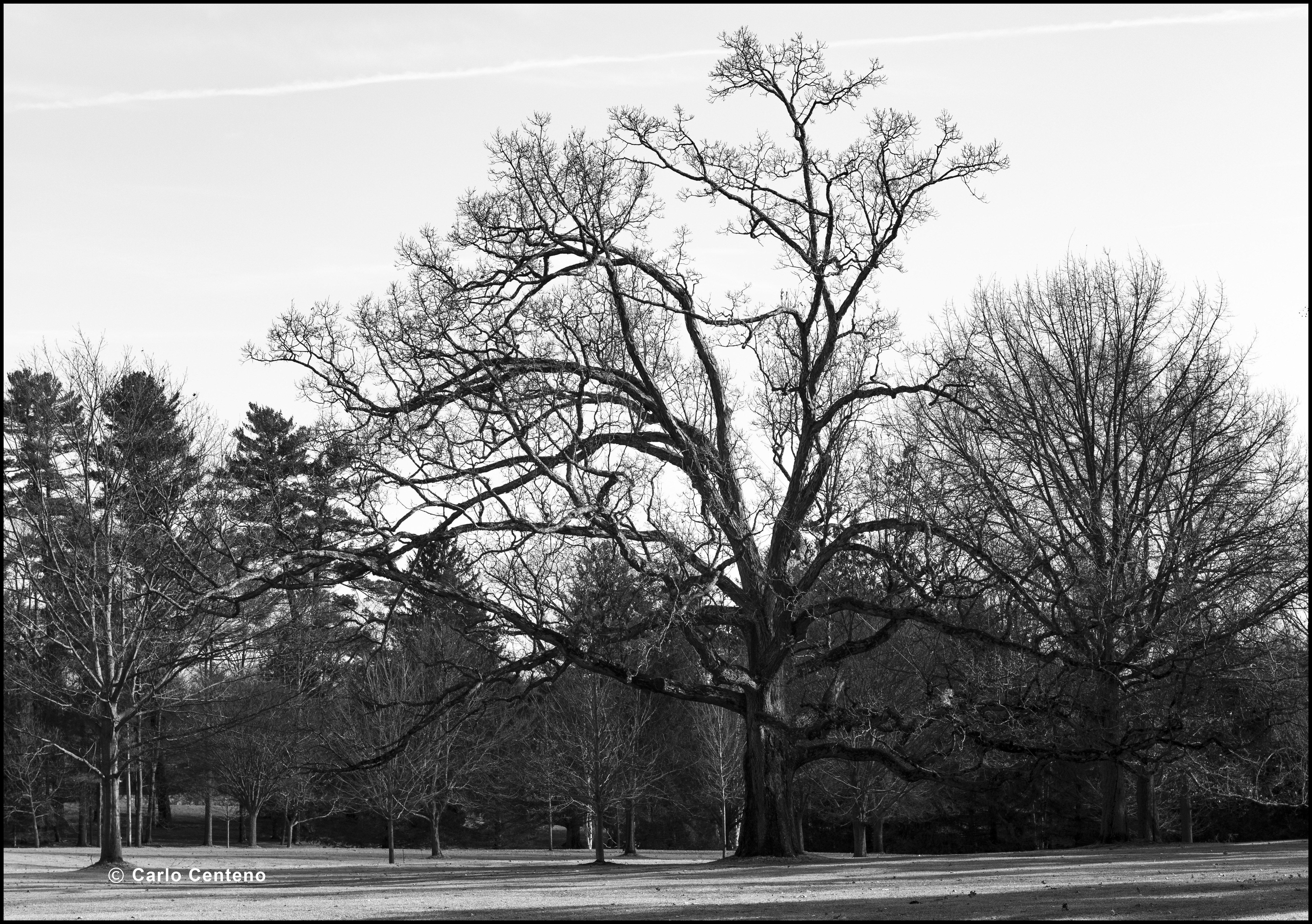
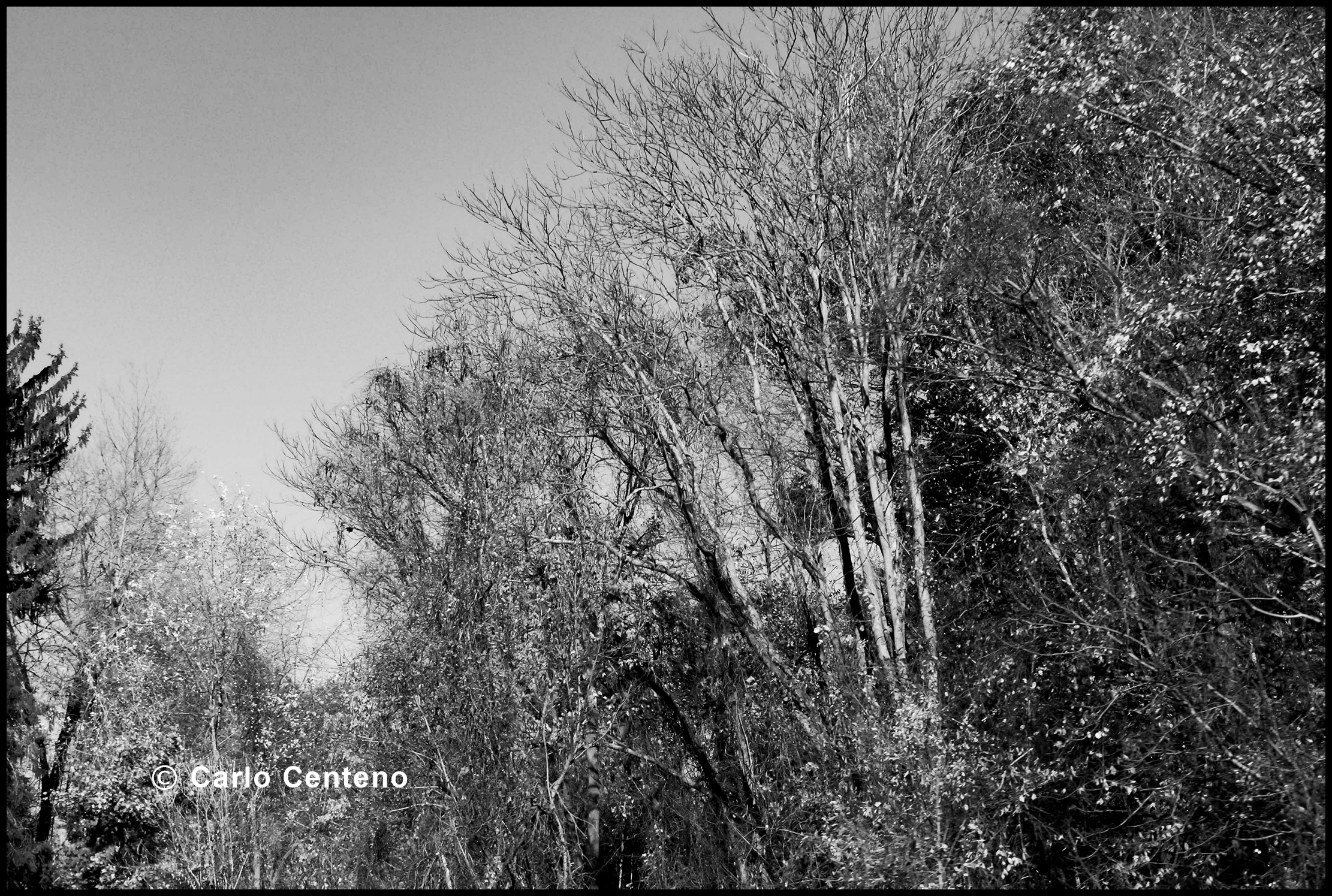
However, when the maples, birch, oaks and other trees reveal their once covered limbs, I see a “wireframe” ready for a season of open air, of white space and a period of quiet and rest. Once again, it’s a reboot of sorts given the visual clues of autumn.

From a distance these bare trees take on an innocuous albeit familiar appearance. You realize that these wireframes silhouetted against a grey forest floor or an overcast sky has the potential to stimulate your way of visualizing beyond the obvious and the rote. Late fall and bare trees are midwives to modified or new byways to thinking and feeling.

Such possibilities make bare trees special. True, this past autumn the colors were fantastic, vibrant, even spectacular, more so than years past as far as I can tell. That festival of color has its own cathartic energy. Compared to just a few weeks ago, these now dormant, quiet trees are a type of dopamine, a suitable follow-on for my busy “monkey-mind.” There’s a levity and sense of calm with bare trees that’s akin to starting anew and refreshed.
The trees are steadfast and immobile and yet there’s a fluid-like form that draws your attention. And because you can see between the branches, openings of various shapes and dimensions become apparent. That white space becomes a cocoon for imagination and emotion, of things improbable that feel possible if only in theoretical form. What can you jettison from your mind into those spaces now in front of you? There are things each of us can let go of.

Many of the trees are straight up and down although the oaks and maples have a grace manifested by the sweeping reach of higher branches. The silhouette of these branches appear as arms with a soft curve, its ends like fingers gently reaching for the sky.

Late fall and bare trees are markers of change. In its most obvious forms, it means shorter days, cooler temperatures, fantastic light and shadow and a time change. The latter is likely the least wanted change this time of year. And yet the markers also remind us that still more change is to come. Some welcome winter [like me] and others can’t wait for spring.
In a personal way bare trees are anthropomorphic. They go through cycles of change just as we do with our life stages. And as in life, some of the bare trees will remain so in the months ahead. Just as some of us will, our own thoughts and feelings leaving our physical selves.
Bare trees can mirror our own life qualities season to season. Or maybe it’s the other way around; after all, trees have long existed before we arrived.

Spring Colors in the City

Spring is springing though the thermometer begs to differ. I have one of those old-fashioned stick thermometers encased in a brass sleeve attached just outside a window. It read a chilly 41-F [5-C], at 8:23 this morning.

Whatever the temperature, we know that another season is here, although some of us are still bundled up. I think that’s better than huddling inside whining about the cold. In New England like the rest of the northeast, you expect the unexpected.
An urban environment does have its share of color, especially those on display from flowering trees and shrubs. Yet I’m drawn to other colors which “pop” in front of me.

I find it a bit odd that not more people are out walking whether by themselves, or with a friend, or from behind a stroller or in the company of a dog. In most cases, it’s the dog walking the handler; I’m empathizing from the dog’s POV. More than likely, I have to keep on walking in order to see others coming and going to wherever they need to be. I need to continue my exploring and allow whatever creative divining rod I may possess to guide me.

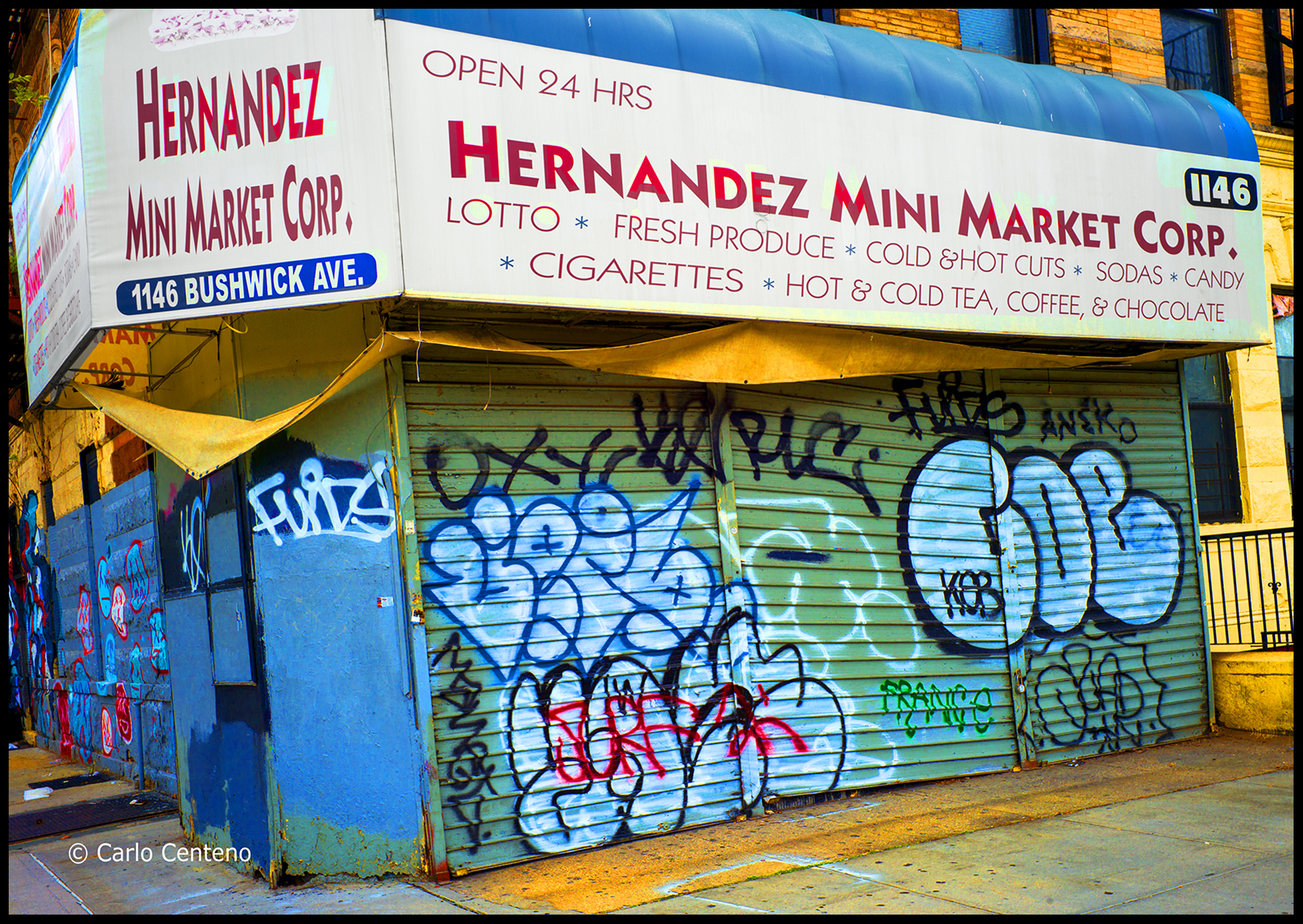
It’s a bit ironic that in a city so large, not many were out. It wouldn’t surprise me that NYC could be mentioned as the city with the largest number of street photographers per square mile, whatever that number might be. Who knows, my sortie was on a so-so day at a time when more than not, folks just decided to stay put.

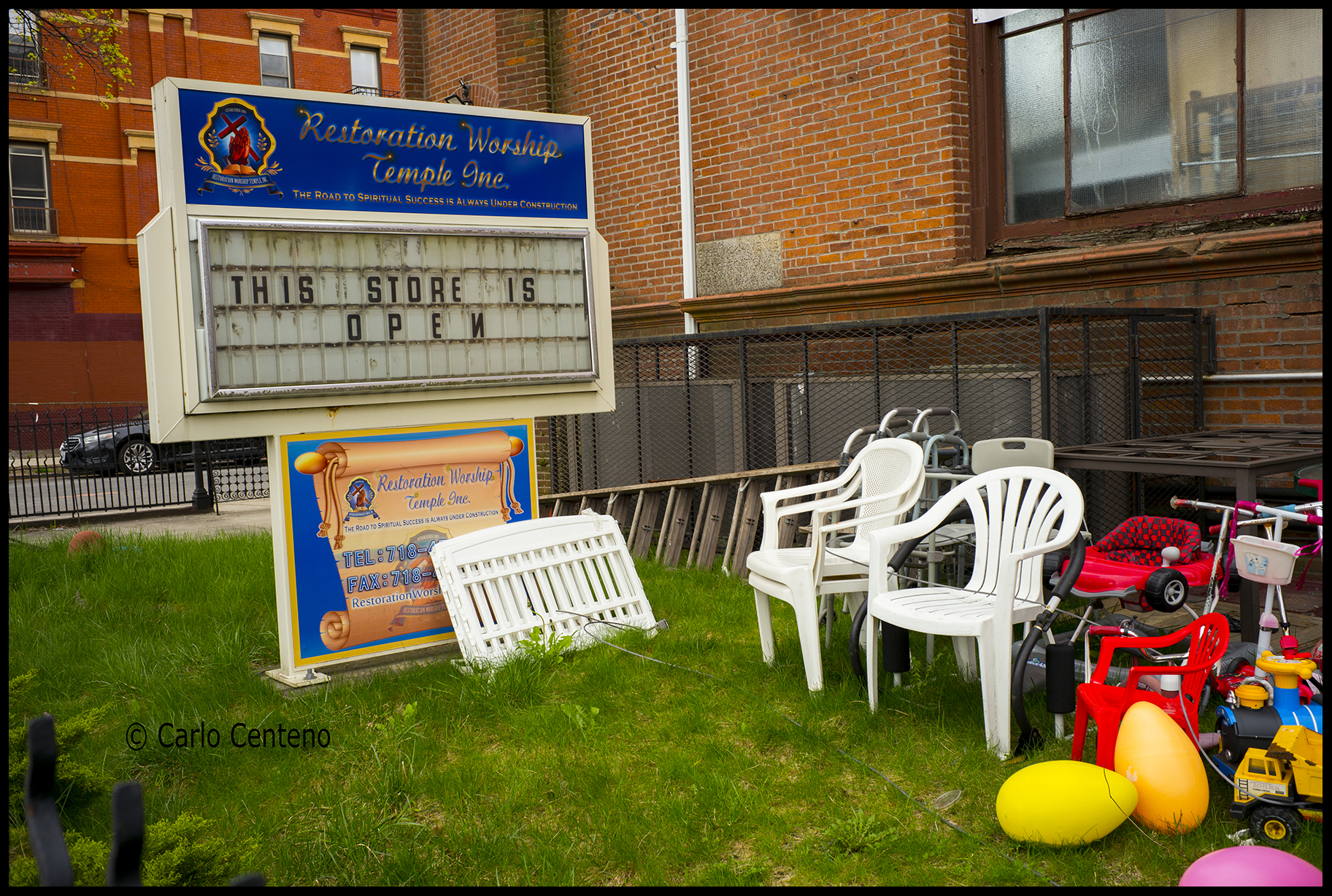
On the above marquis, the tagline to this church reads, “The road to spiritual success is always under construction.” For most of us, it means no one can attain spiritual success. This is akin to Sisyphus rolling his boulder uphill, only to fail when he comes so close to the top. His pathway to salvation is under construction in perpetuity.

Snow Dome

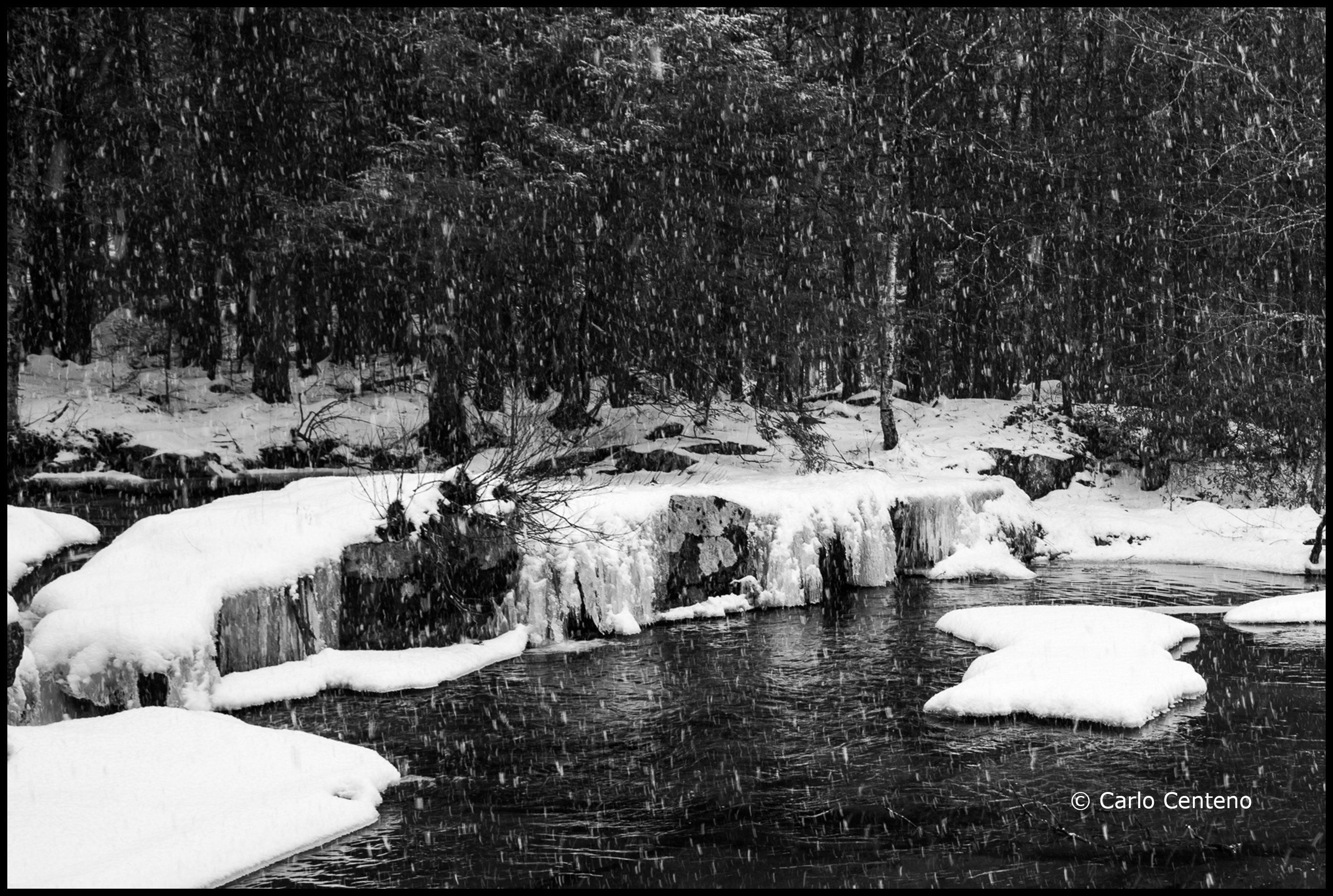
On MLK day at Glendale Falls

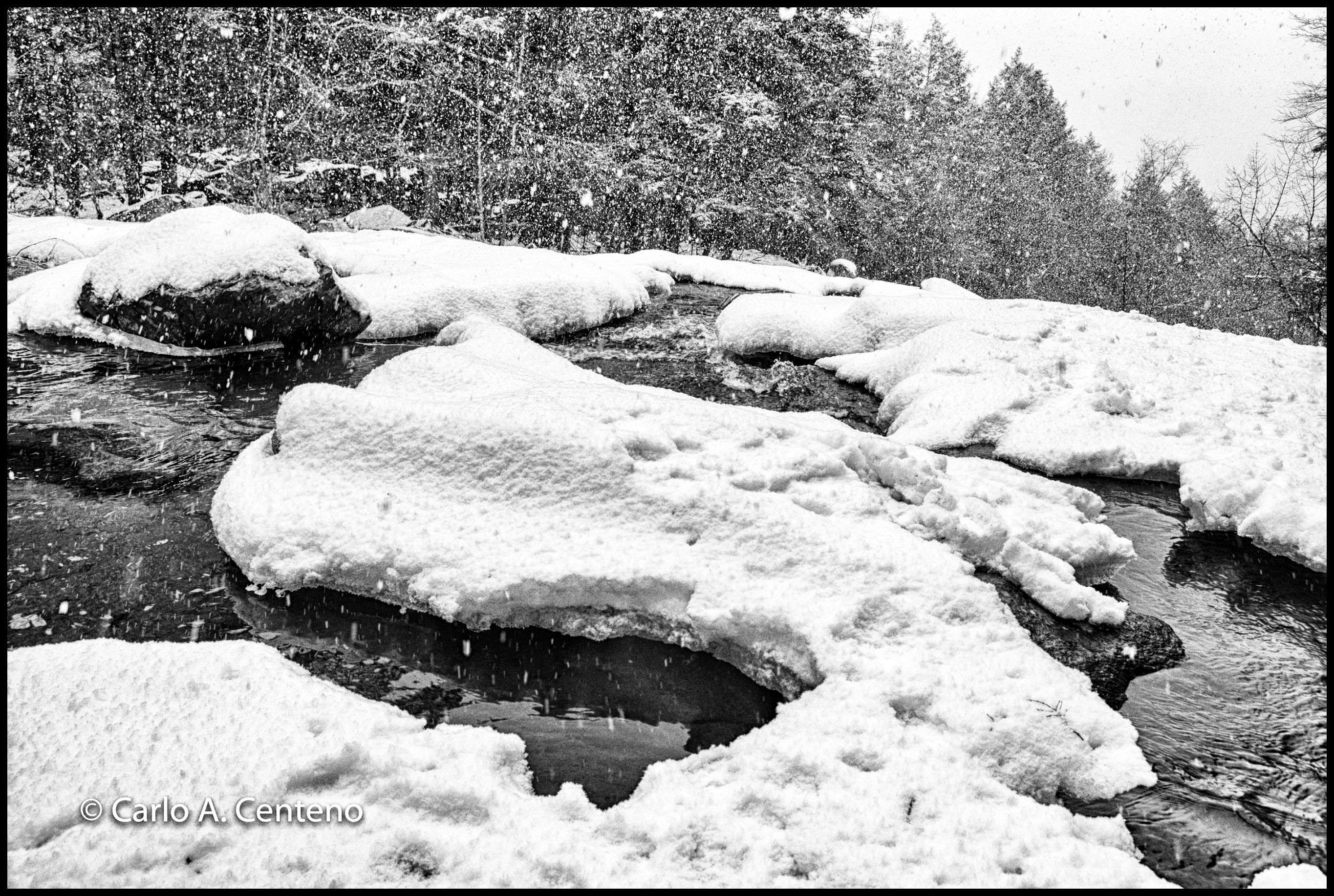
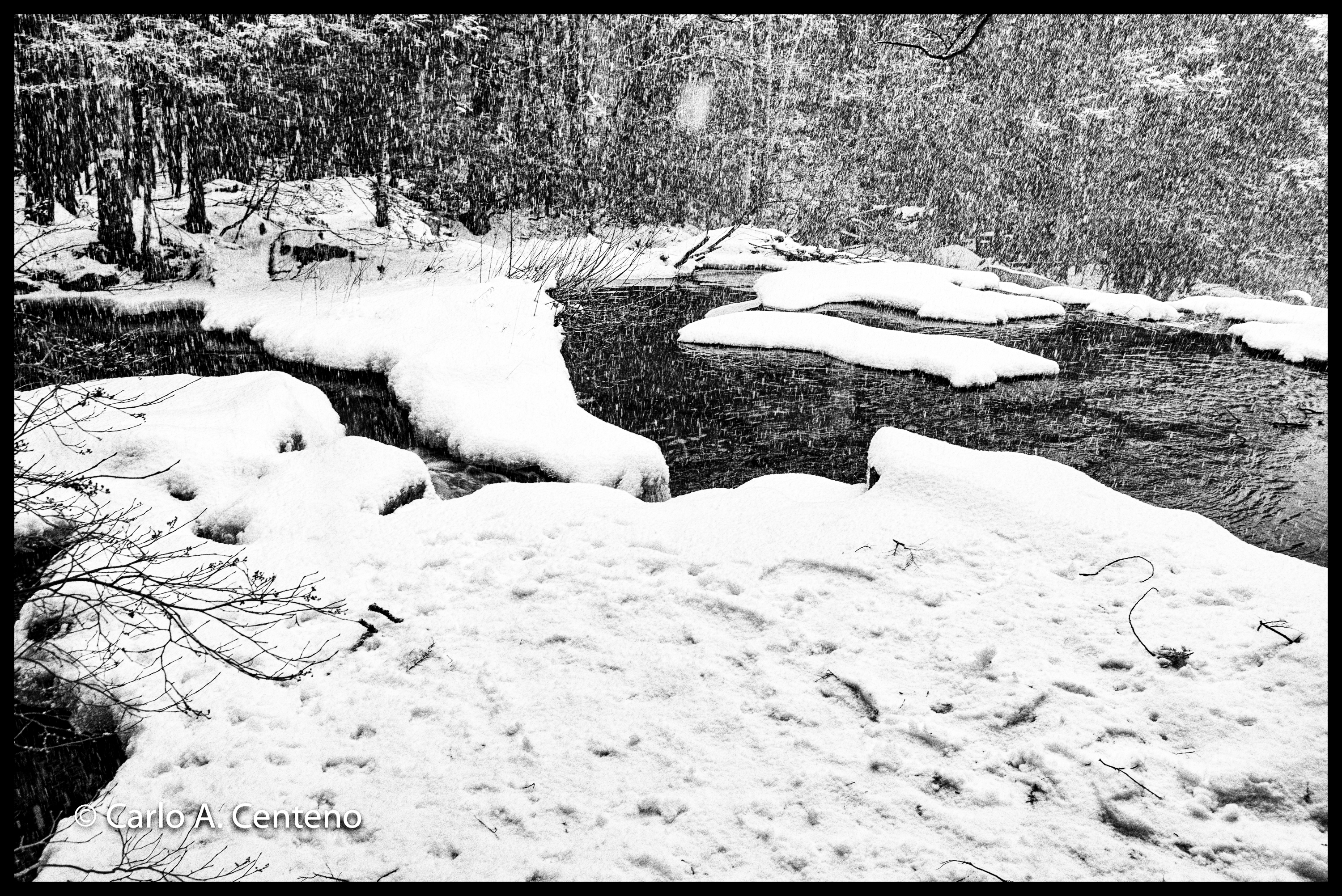
I was in a different bubble yesterday, away from the angst, the uncertainties, the frustration and disappointment of recent times. It was wonderfully quiet save the waterfall cascading over an edge some 20-yards away. That rushing sound had a soft, roundness to it, a barrier or suppressor of sorts that kept disheartening sentiments at bay.

I was in a snow dome.

With 4-inches already on the ground, a sudden burst of flakes quietly fell, quickly dusting tree limbs as well as foot prints left by other visitors: someone in a Sorel, perhaps a size 10 1/2 which lay opposite the basket imprints from a hiking staff. Only one set of human footprints was there, the other prints from a deer, a squirrel, a group of birds and others I wasn’t sure of or missed altogether.

This kind of place—where the simplest of what is before and around you—covers the burrs of unhealthy tensions and feelings. Indeed, a blanket comes to mind when snow covers a landscape. On some days—for me anyway—it’s more like a comforter. A comforter does not align with what snow feels like. Visually however, is a different matter. There is loft, an expanse of uniformity and balance that can remind one of a comforter. The solitude, the absence of man-made noise, reinforces that sense of comfort. Within my snow dome comes a particular calm that allows me to think and feel purposefully and openly. I consider possibilities beyond the familiar and rote. I dwell beyond the probable, but lie in the realm of things that are possible. As Martin Luther King, Jr. noted:

“Put yourself in a state of mind where you say to yourself, ‘here is an opportunity for me to celebrate like never before by my own power, my own ability to get myself to do what is necessary.'”

The saying, “this quiet, this silence is deafening…” runs contrary to my time in this snow dome. I feel reassured, positive, even happy. Embraced by such stillness, you can hear yourself think. You can engage all your senses with minimal distraction. You come face-to-face with who you are and in spite of yourself, you can choose to dwell in what should have happened—and thus remain predictably the same as always—or take a contrarian step, one that could make a difference. I’ll let Martin Luther King, Jr. have the last word. He has captured an enduring leitmotif of the human condition:

“The soft-minded man always fears change. He feels security in the status quo and has an almost morbid fear of the new. For him, the greatest pain is the pain of something new.”

Transitions

With September upon us, there’s that sense summer is nearing its end. You wouldn’t think that on such a day as this: it’s warm, bright, a slight breeze and plenty of green just about everywhere you look.

Yet the season’s already changing. My morning start is just a little darker than what it was a month ago. Some of the maple trees are starting to turn color. Shorter days means Autumn is at its threshold.

When I need to have some distance from this maddening world, the outdoors provide a good dose of calm and reassurance. It can be more challenging in urban areas, but parks are a viable alternative. Get outside and realize the natural world accepts you as you are.

This pandemic has modified if not altogether changed, the way we mark the change in seasons. Traditionally we associate baseball as the “start” of summer, football the beginning of autumn, basketball and hockey mark winter’s arrival. But many of these traditional markers have started later than usual. As a consequence, our seasonal clocks are skewed. This has been compounded further by schools having different protocols for their first day. Is that day for virtual online learning or in person at the actual building?

Time to get outside.

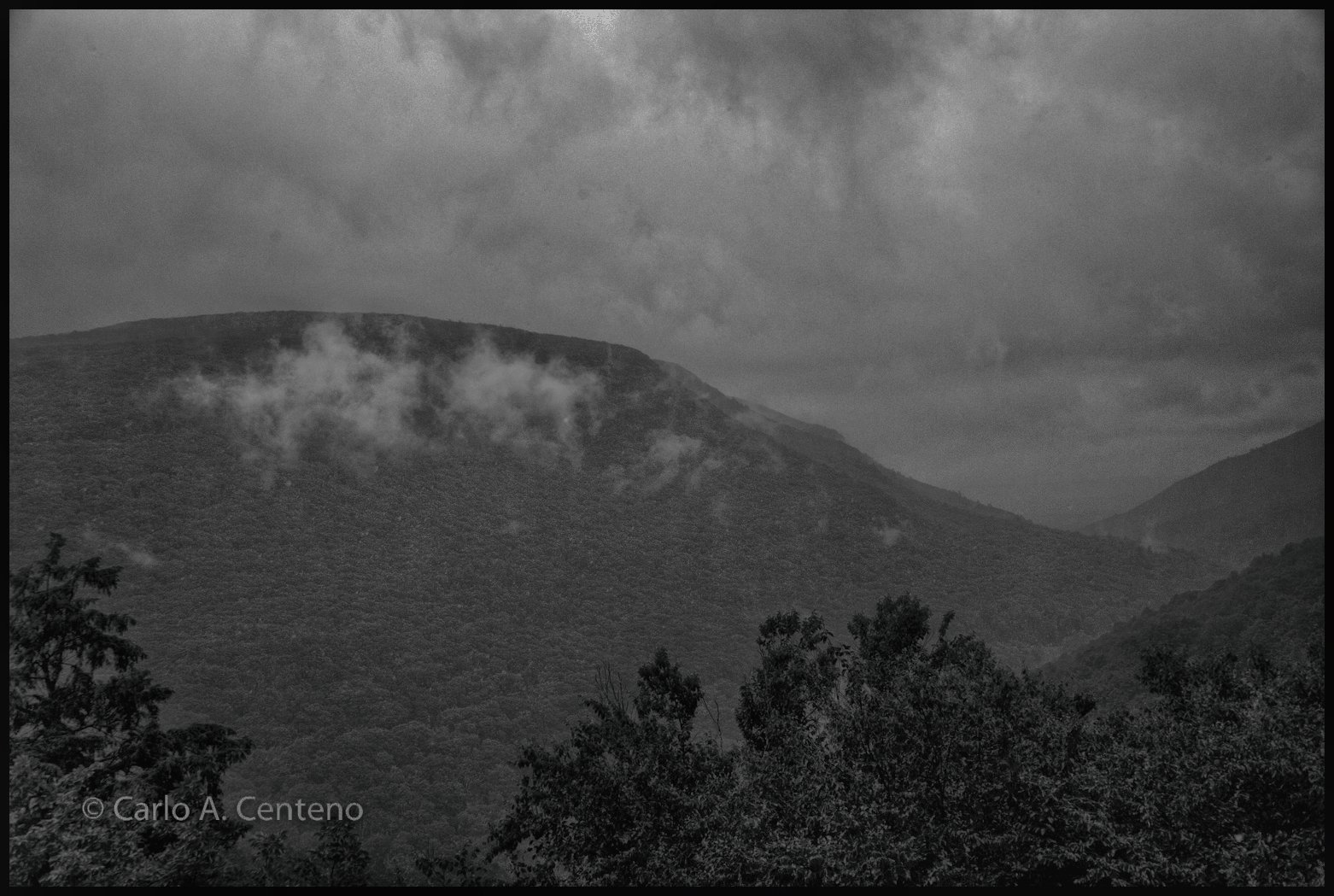
Dark, grey afternoons…

For all the misery and inconveniences really bad weather creates, storms have a unique appeal to me. They are fascinating creations. In the most dire of circumstances the devastation they leave behind is nothing short of incomprehensible, humbling and frightening.

On the other hand, bad weather has a way of fine tuning me to a mode that captures and enables the ephemeral: in one moment, a gentle falling rain suddenly becomes heavy, rampant, even vindictive in the force and quantity of water that dowses everything.

No sooner than the rain pummels the landscape, the water is then swept away, transitioned to a drizzle that moves ahead of a foggy veil suspended just behind the now gentle shower. I think of the various weather possibilities as moods, from the bright sunny days [hope, optimism, gratitude, e.g.] to the dull grey of a threatening sky ready to let loose its worse [depression, angst, regret, e.g.]. Weather figuratively produces such an array of moods.

Dark, grey afternoons carry a weight [wind, water, ice, snow, heat et al] that can lay to waste your surroundings as well as your inner landscape. Yet when I pick up my camera or take pen and journal to hand, I remind myself that things change. Storms have their beginnings and an end. And what happens in between can—and will—wreak havoc on the most carefully laid plans and intentions.

Events, like storms, are markers in time. And having a marker delineates a “before” and “after.”  What were you doing just before the storm hit? Where were you? We often have a stronger temporal sense of change whenever nature throws us the worse. Similarly, we celebrate when the change is for the better; some days are referred to as “picture-perfect…like a perfect postcard if you will.

The prologue to dark, grey afternoons can be a harbinger of bad stuff yet to arrive.  Still, I look at these harbingers for what they are: a dramatic dance of fleeting light, of varied grey swatches which masks greens, yellows and blue, of movements brought on by high wind speeds and even a gentle breeze.

Weather, in all its forms, is a fulcrum on our impressions of just how good or bad our day is doing.


Aftermath

The uncertainty of these times has made it very certain that the new choronovirus will be with us for a good while. Eventually—and hopefully—we will find the means to return as close to “normal” wherever possible, hopefully within next year. Figuratively, we’re running a marathon, an endurance race where—as many of you already know—demands stamina, pacing, patience and the willingness for self-sacrifice.

Our home these past 3.5 months has been a sanctuary for our daughter, two boys, a new born and our son-in-law. From quiet, predictable routines to a household filled with activities, remote schooling, and more, altogether this was a period of joyful noise and scattered stuff in, out and around the house.

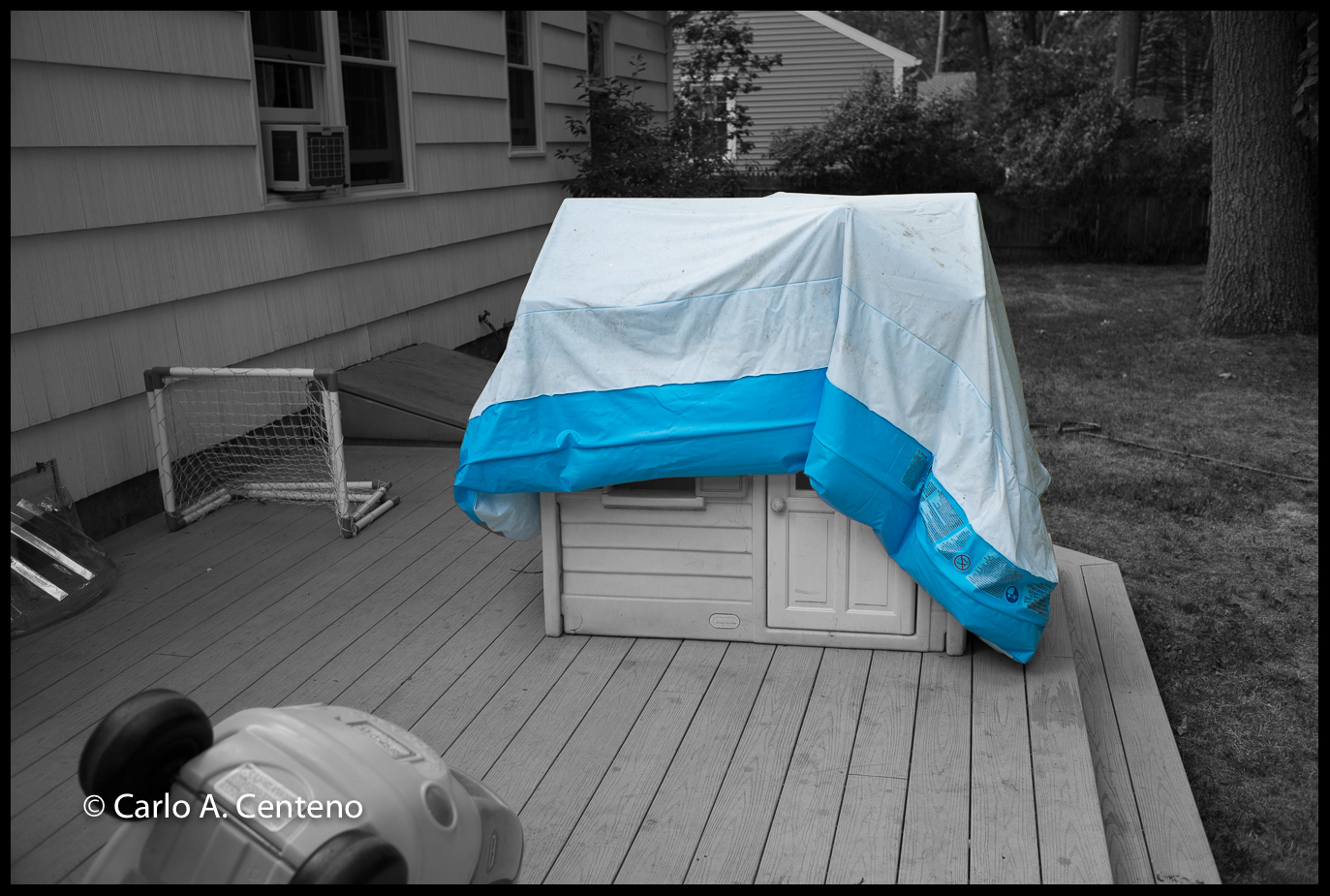
The boys were constantly in motion. The desire to explore, imagine, to experiment and be inventive was nothing short of  remarkable. And while the boys did their best to pick up after themselves, they were far better engaging their playfulness, their devil-may-care personas, as evidenced by the scattered clothes, toys, and more, left on the deck, out in the lawn, on the slip’n slide water game or in the breezeway. The breezeway of course is the equivalent of an “airlock” that space that serves as a buffer to the kitchen that lies beyond.
And yet, clothing, LEGO toys in various stages of disassembly, wet sneakers et al, found their way onto the runner that marks the outer circle of the kitchen.

As of this writing, the house is once again quiet, sometimes much too quiet. Just before the 4th of July holiday, they returned home, to their own spaces and routines.  It is as it should be. As much as we enjoyed our time together, all good things must come to an end.
The organizing, cleaning and picking up of stuff continues. I refer to the many pieces scattered around as shrapnel. To walk barefoot across the lawn is an exercise in uncoolness. The edges of a LEGO block, a broken piece of plastic, a spoon forgotten, all became suitable reminders that wearing footware during the clean-up phase should be mandatory.

It’s true that having grandchildren can be a terrific life stage. You love them to pieces, you revisit your own escapades from the past, your marvel at how your own parents managed the rambunctiousness of our youth. Whether it’s an afternoon or 3.5 months, those kids need to return to their parents, routines, friends and all that is their life beyond ours.